Did Greece Just Become a Space Power Overnight? Satellites, Security, and the Rise of the Tiny Tech Nation
希腊一夜之间成了航天大国?卫星、安全与小国科技崛起的野心
www.ekathimerini.com
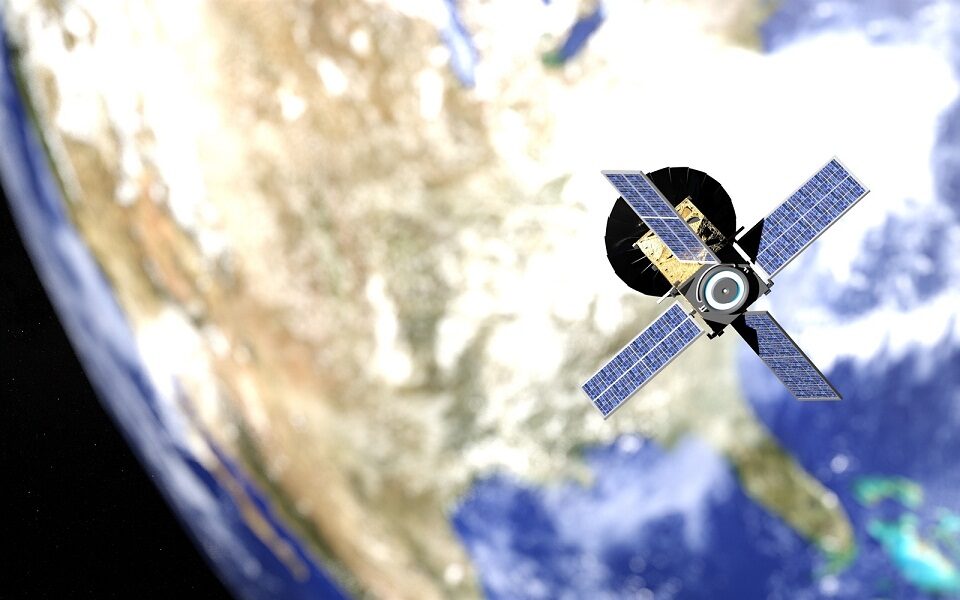
Greece just launched five satellites with SpaceX, and suddenly a country best known for ancient ruins and debt crises is running its own space program. Two of them are radar satellites for civil protection and national security — meaning Greece can now monitor disasters and borders without begging other countries for data. That’s not just cool tech — it’s sovereignty in orbit.
希腊刚刚借助SpaceX发射了五颗卫星,这个以古迹和债务危机闻名的国家突然拥有了自己的航天项目。其中两颗是用于民用防护和国家安全的雷达卫星——意味着希腊现在可以自主监控灾害和边境,不再需要向其他国家乞求数据。这不只是炫酷科技,更是轨道上的主权。
The other three are experimental — testing secure comms and IoT. The real story? This was funded by EU recovery funds, not Greek tax money. So is this national pride — or just smart use of someone else’s wallet? Either way, Greece is no longer just a vacation destination. It’s got eyes in the sky.
另外三颗是实验性的——用于测试安全通信和物联网。真正的故事是?这是用欧盟复苏基金的钱,而不是希腊纳税人出的。所以这是民族自豪感,还是只是聪明地花别人的钱?不管怎样,希腊不再只是个度假胜地了,它现在在天上也有‘眼睛’了。
说真的——一个没有自主发射能力的国家拥有雷达卫星,算不上真正的主权。没错,希腊现在拥有数据。但如果发射靠SpaceX、运营靠ICEYE,卫星的实际控制权到底在谁手里?这可不是肯尼迪航天中心,而是披着国旗外衣的数字殖民主义。
拜托,每个强国最初都是搭别人的火箭上天的。看看以色列、韩国,甚至阿联酋。你要有战略自主性,根本不需要自己的发射台。关键在于拥有数据、设计任务并利用成果。希腊刚刚加入了智能经济俱乐部。
我才不管是谁发射的——只要希腊能实时监测森林火灾、非法捕捞或海岸侵蚀,这对人民就是胜利。比起地缘政治姿态,我更看重实际应用。
MICE-1和PHASMA是低轨试验平台——意味着它们寿命短但对验证未来希腊自研系统至关重要。这不只是关于数据,更是要建立本土能力。每次阿波罗任务都是从一颗晶体管开始的。
太好了,大家玩太空玩具,我这儿医院连绷带都缺。希望他们没在这上面花一亿欧元,同时学校却经费不足。
这其实是一招高明的软实力操作。希腊通过对接欧空局和欧盟,展现技术抱负,在不发一枪的情况下增强了地缘政治影响力。小卫星,大信号。
人们忘了:拥有太空数据意味着希腊现在能更快响应、制定更优政策,并以更强姿态谈判。这可不是虚荣——这是数字基础设施。你不会因为修路或通电要花钱,就说它们‘没必要’吧。