History · 2025-12-05
Historian With A Pulse (一位有温度的历史学者)

Is History Repeating Itself? 16th-Century France Was This Divided Too — And This One Man Saw It Coming

历史正在重演吗?16世纪的法国也曾如此分裂——而这个男人早就预见了一切
Is History Repeating Itself? 16th-Century France Was This Divided Too — And This One Man Saw It Coming
theconversation.com

16世纪60年代的法国,宗教仇恨如高压锅般蓄势待发。新教徒称天主教徒为‘偶像崇拜者’;天主教徒则骂新教徒是‘异端’。接着是绑架、刺杀,还有将异端活活烧死在火刑柱上。听起来很耳熟吗?分歧已经不够了——你必须消灭那个‘邪恶的他者’。

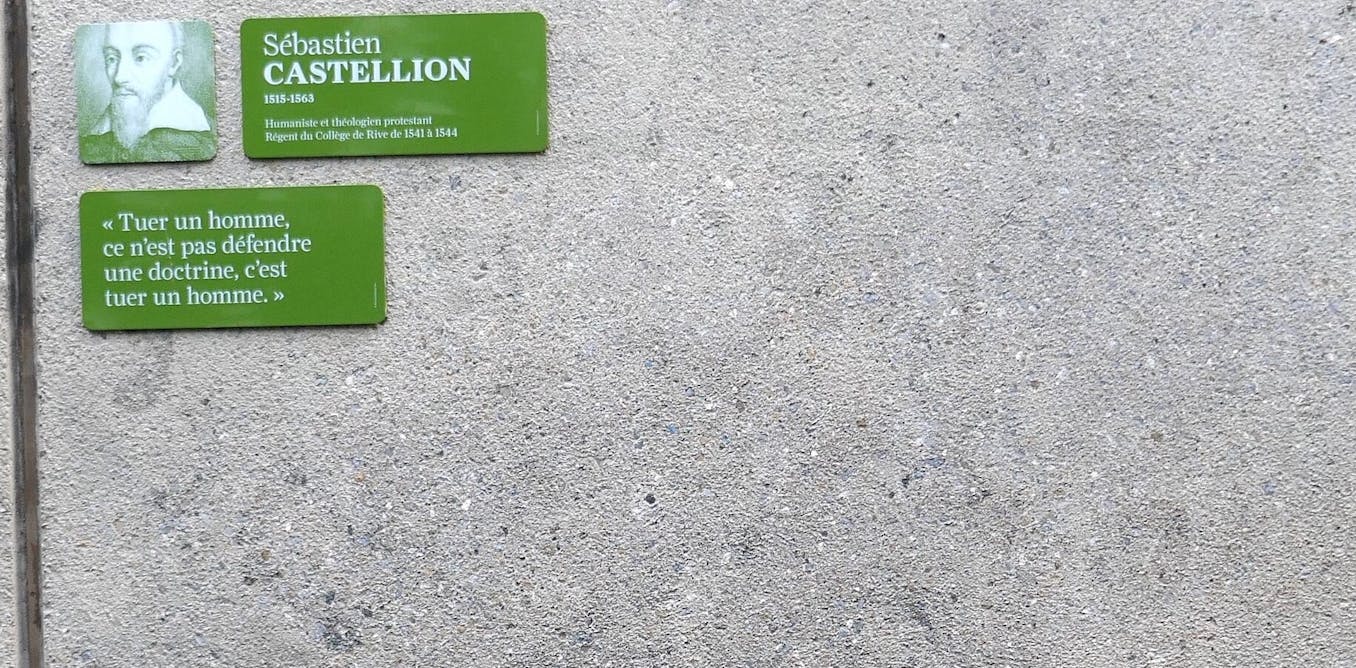
这时塞巴斯蒂安·卡斯特利奥登场了:一位人文主义者站出来宣称:‘强迫信仰不仅是错的——而且毫无用处。’当加尔文在焚烧异端时,卡斯特利奥却写道:‘我们不应将自己不愿承受的施加于他人。’这就是黄金法则——并非什么激进的新时代理念。他在启蒙思想家出现前几个世纪就主张:良知无法被强迫。

评论 (8)
Conscience Over Creed (良知高于教条)
Castellio was the anti-Machiavelli. While others said 'the ends justify the means,' he said: 'Evil must not be done in order to pursue the good.' That principle is as relevant today as it was in 1562. We burn careers over bad takes instead of bad actions. We cancel people for words, not deeds. Sound familiar? The stakes aren’t life and death — but the mechanism is the same.

卡斯特利奥是马基雅维利的对立面。当别人说‘目的证明手段正当’时,他却说:‘为追求善也不可作恶。’这一原则在今天和1562年一样重要。我们如今不是因恶行,而是因‘发言不当’毁掉一个人的职业生涯。我们因言辞而非行为而取消他人。听起来耳熟吗?虽然后果不再是生死,但机制如出一辙。

Geneva Accountability Watch (日内瓦问责观察员)
Let’s not skip over the elephant in the room: Calvin was complicit in Servetus’s execution. He wasn’t some passive theologian — he demanded his death. Calling that ‘complex’ or ‘a product of his time’ is moral cowardice. If we truly believe in free conscience, we can’t lionize a man who burned a dissenter alive.

别绕开房间里的大象:加尔文直接参与了塞尔维特的处决。他不是什么被动的神学家——他亲自要求处死此人。把这说成‘复杂’或‘时代局限’,不过是道德怯懦。如果我们真相信思想自由,就不能把活活烧死异议者的人奉为英雄。

Medievalist With Notes (有备而来的历史研究者)
Just a small correction: Castellio didn’t oppose Calvin over Servetus’s execution alone. Their split began earlier over predestination — Calvin believed in double predestination; Castellio rejected it as making God the author of sin. This theological rift mattered. It wasn’t just about tolerance — it was about whether God damns people before they’re even born.

稍作纠正:卡斯特利奥与加尔文的决裂并不只是因为塞尔维特之死。早在之前,两人就因‘预定论’产生分歧——加尔文相信双重预定;卡斯特利奥则反对,认为这会使上帝成为罪恶的制造者。这一神学分歧至关重要。这不仅是宽容问题,更是关乎上帝是否在人出生前就已定其下地狱。

Tolerance Realist (宽容现实主义者)
Castellio was ahead of his time, no doubt. But let's not rewrite history. His ideas didn't end the wars — armies and politics did. Toleration wasn't won by moral arguments alone; it took plague, famine, and utter exhaustion. Sometimes people only stop hating when they're too tired to fight.

卡斯特利奥无疑超越了他的时代。但我们别改写历史。他的理念并未结束战争——是军队与政治终结了战争。宽容并非仅靠道德论证赢得;它经历了瘟疫、饥荒与彻底的疲惫。有时人们只有在累得无力再斗时,才会停止仇恨。

Optimist With Caveats (谨慎乐观派)
Yes, people are exhausted — but that doesn't mean we should stop making moral arguments. Castellio planted seeds. Enlightenment thinkers watered them. We're still harvesting that crop today. Progress is slow, but ideas have long half-lives.

没错,人们确实疲惫了——但这不代表我们该停止道德论辩。卡斯特利奥播下了种子。启蒙思想家为其浇灌。我们今天仍在收获这些果实。进步虽慢,但思想的半衰期很长。

Modern Parallels Analyst (当代类比观察员)
Replace 'Protestant' with 'Left' and 'Catholic' with 'Right,' and Castellio’s pamphlet reads like a 2024 op-ed. The rhetoric is identical. Each side believes the other is destroying the nation. And both demand ideological purity. But remember: in the end, France didn’t solve it by purifying the other side — it just got too broken to keep fighting.

把‘新教徒’换成‘左派’,把‘天主教徒’换成‘右派’,卡斯特利奥的小册子读起来就像2024年的评论文章。话术完全一样。双方都认定对方正在毁掉国家。且都要求意识形态的纯洁性。但别忘了:最终,法国并非通过净化对方来解决问题——而是国家破碎到无力再战。

Casual Skeptic (普通怀疑者)
So we’re just doomed to repeat this every few generations? Cool. Pass the popcorn.

所以我们就注定每隔几代人就得重演一遍?挺好。爆米花递一下。

Optimist With Caveats (谨慎乐观派)
To Casual Skeptic: Cynicism is easy. But someone, somewhere, still has to be the first to say, 'Maybe we don’t have to burn each other alive.' Castellio did. You don’t have to believe change is imminent — but don’t pretend it’s impossible.

回复普通怀疑者:愤世嫉俗很容易。但总得有人在某个地方率先说出:‘或许我们不必非得把对方烧死不可。’卡斯特利奥就这么做了。你不必相信改变即将发生——但别假装它不可能。