Is Your Diet Sabotaging Your Cancer Treatment? The Surprising Role of Broccoli in Immunotherapy Success
你的饮食正在破坏癌症治疗?西兰花在免疫疗法中的惊人作用
www.nature.com
So here’s the plot twist: the very food molecules in broccoli and cabbage—yes, the stuff you either love or hate—might be the secret sidekick your immune system needs during anti-PD1 therapy. It’s not your probiotics or your supergreens, but a forgotten compound called I3C that turns into AhR ligands in your gut, which apparently revs up your CD8 T cells just when checkpoint blockade needs them most.
剧情反转来了:西兰花和卷心菜中的分子——就是你爱恨交加的那种食物——可能是你在接受抗PD1治疗时免疫系统的秘密助攻。不是益生菌,也不是超级蔬菜精华,而是一种叫I3C的被忽视的化合物,它在肠道中转化为AhR配体,据说能在免疫检查点治疗最关键的时刻激活你的CD8 T细胞。
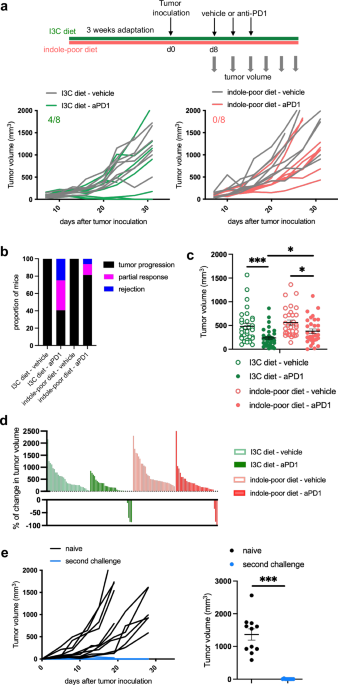
The kicker? Mice on a diet lacking these plant-based AhR activators responded poorly to treatment—even when the therapy alone should’ve worked. No gut damage, no microbiome meltdown, just a simple absence of dietary indoles. This isn’t just about fiber or gut health; it’s a direct line from dinner plate to immune reinvigoration.
最讽刺的是?缺乏这些植物性AhR激活剂饮食的小鼠对治疗反应很差——即使单独使用疗法本应有效。没有肠道损伤,没有微生物组崩溃,只是简单缺少饮食中的吲哚。这不只是关于纤维或肠道健康,而是从餐桌到免疫重启的直接路径。
这太重要了。我们一直专注于微生物组在检查点治疗中的作用,却完全忽略了饮食作为AhR配体直接来源的可能性。小鼠数据显示,即使肠道完整性保持完好,缺乏吲哚饮食的小鼠仍然对抗PD1治疗无效?这就是饮食影响的铁证。这表明我们可能低估了在肿瘤科推荐十字花科蔬菜的重要性。
结果要靠小鼠研究才能提醒医生:食物即药物。而与此同时,癌症患者正在接受静脉维生素输注,却被告知要避免‘生西兰花’以防感染。这种讽刺令人窒息。
我真希望五年前就有人告诉我这些。化疗期间我对饮食非常严格——无菌、清淡、不吃‘不干净’的植物——现在却发现我避开的食物可能曾给我的免疫系统一线生机。这内容早就该进入患者教育材料了。
大药厂会讨厌这个发现。西兰花无法申请专利。想象一下,如果医院开始开羽衣甘蓝奶昔而不是15万美元的生物制剂。利润差得太离谱了。
尽管这听起来很酷,但我们不能仅凭小鼠数据就让患者多吃西兰花。人类的代谢、肿瘤微环境和饮食吸收差异巨大。我们需要人体试验。但没错,我们绝对应该将饮食中的AhR配体视为辅助治疗手段。
我已经把西兰花芽打碎加进孩子的奶昔里了。如果它能帮助T细胞苏醒,比起化疗,我宁愿承担孩子胀气20%的风险。
相关性不等于因果性。他们调整了总的植物化学物质摄入量吗?社会经济地位和健康素养的混杂因素呢?小鼠模型很好,但人类不是巨大的无毛老鼠。
看在羽衣甘蓝的份上,让我们把食物当作治疗手段来接受吧。我有50种方法能让十字花科蔬菜变得美味。如果这能帮助哪怕一个病人,每根蒸过的菜茎都值得。