Is This the End of 'Range Anxiety'? UK Startup's Battery Cooling Tech Cuts Charging Time by 68%
终结‘续航焦虑’?英国新创电池冷却技术让充电速度提升近七成
interestingengineering.com
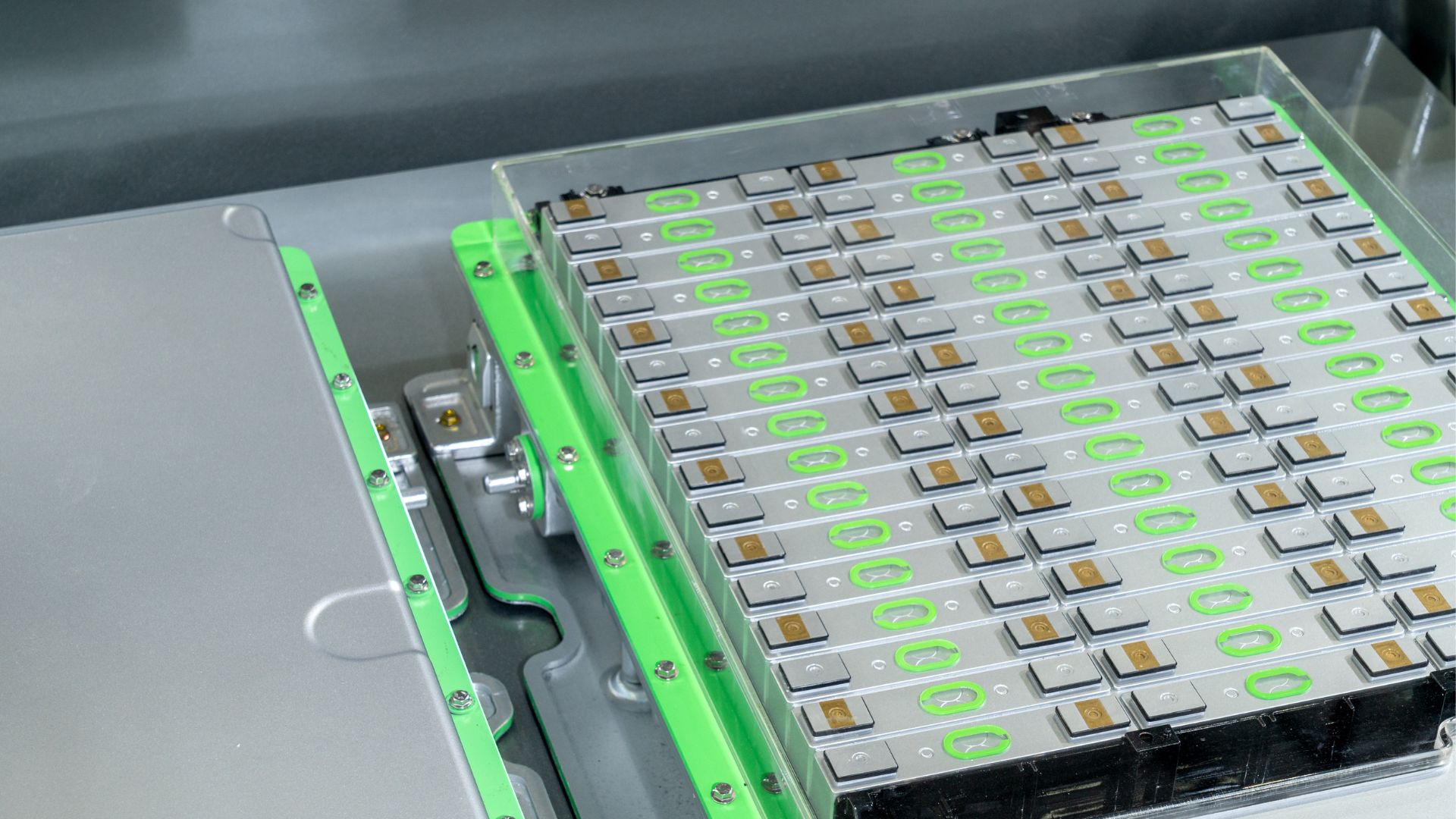
So a British startup just dropped a bombshell: their new battery cooling system doesn't just manage heat—it surgically controls it. Forget blanket cooling; this thing targets individual battery modules like a thermal sniper rifle. The result? Charging times cut by nearly 70%, and batteries lasting longer without catching fire. Sounds like magic, but it’s physics—and it might be the missing link for mass EV adoption.
一家英国初创公司扔出重磅消息:他们的新电池冷却系统不只是管理热量,而是‘精准操控’。告别整体冷却吧,这玩意儿像热力狙击枪一样瞄准每个电池模组。结果?充电时间缩短近七成,电池寿命更长还更安全。听着像魔法,其实是物理——而这可能是电动车普及的最后一块拼图。
The tech, called Dectravalve, uses a single smart valve to route coolant to specific zones—no janky manifold spaghetti. It maintains cell temps within 2.6°C vs. the usual 12°C spread, letting batteries charge at full power longer. Translation: a 30-minute charge could now take 10. Plus, range increases by up to 10%. If this scales, Tesla and legacy OEMs might have to play catch-up.
这项名为Dectravalve的技术,用单个智能阀门将冷却液精准导至特定区域——再也不会有复杂的歧管管线像意大利面一样纠缠了。电池单体温差从通常的12°C缩小至2.6°C,使电池能以全功率充电更久。这意味着原本30分钟的充电现在只需10分钟。此外,续航还能提升最多10%。如果这项技术能大规模应用,特斯拉和传统车企可能得开始追赶了。
终于有人在不增加复杂性的情况下解决了热管理瓶颈。大多数电动车光是把冷却液泵过笨重的歧管就浪费了大量能量。Dectravalve用单个阀门实现四个独立输出?太优雅了。它降低了寄生损耗,提升了可靠性,还能轻松集成到现有平台。这不是渐进改进——而是一次飞跃。
理论上很酷,但我什么时候才能在自己的车上看到?初创公司总爱炒作这类技术,但真正进入量产车型往往要5到7年。而且,它能经受住十年英国冬夏极端天气的考验吗?
你没说错。大多数创新都会卡在验证阶段。但Hydrohertz已与两家主要车企进入试验阶段。如果真实数据证实这些成果,预计2027至2028年就可集成。对于汽车行业周期来说,这速度相当快了。
这对实现气候目标可能意义重大。充电越快,人均所需的公共充电桩就越少。更小的充电基建意味着更少的铜材、更少的土地使用和更低的碳排放。而电池寿命更长,也意味着更少的电池被扔进垃圾填埋场。这不只是便利问题——而是系统性的可持续性。
笑死。加油两分钟搞定的事,电动车永远比不了。在我眼里,电动车永远是二等公民。等它跑完20万英里再来说话吧。
兄弟,要是算上走到加油站和付款的时间,内燃机加油也要5分钟好吗?别假装过程无缝了。
我们总想着追平加油速度,但真正的变革或许是重新定义我们与能源的关系。电动车不只是车——它们是智能电网中的节点。搭配超高效管理的慢速家用充电,或许才是未来。
愿景很美好,但我们不能忽视多数电网仍依赖煤炭。能效提升固然好,但首先得有清洁发电。