Mars Has Ice at the Equator? How Explosive Volcanoes May Have Literally Snowed Water Across the Red Planet
火星赤道竟有冰?远古火山喷发可能曾让整颗星球‘下雪’
www.techno-science.net
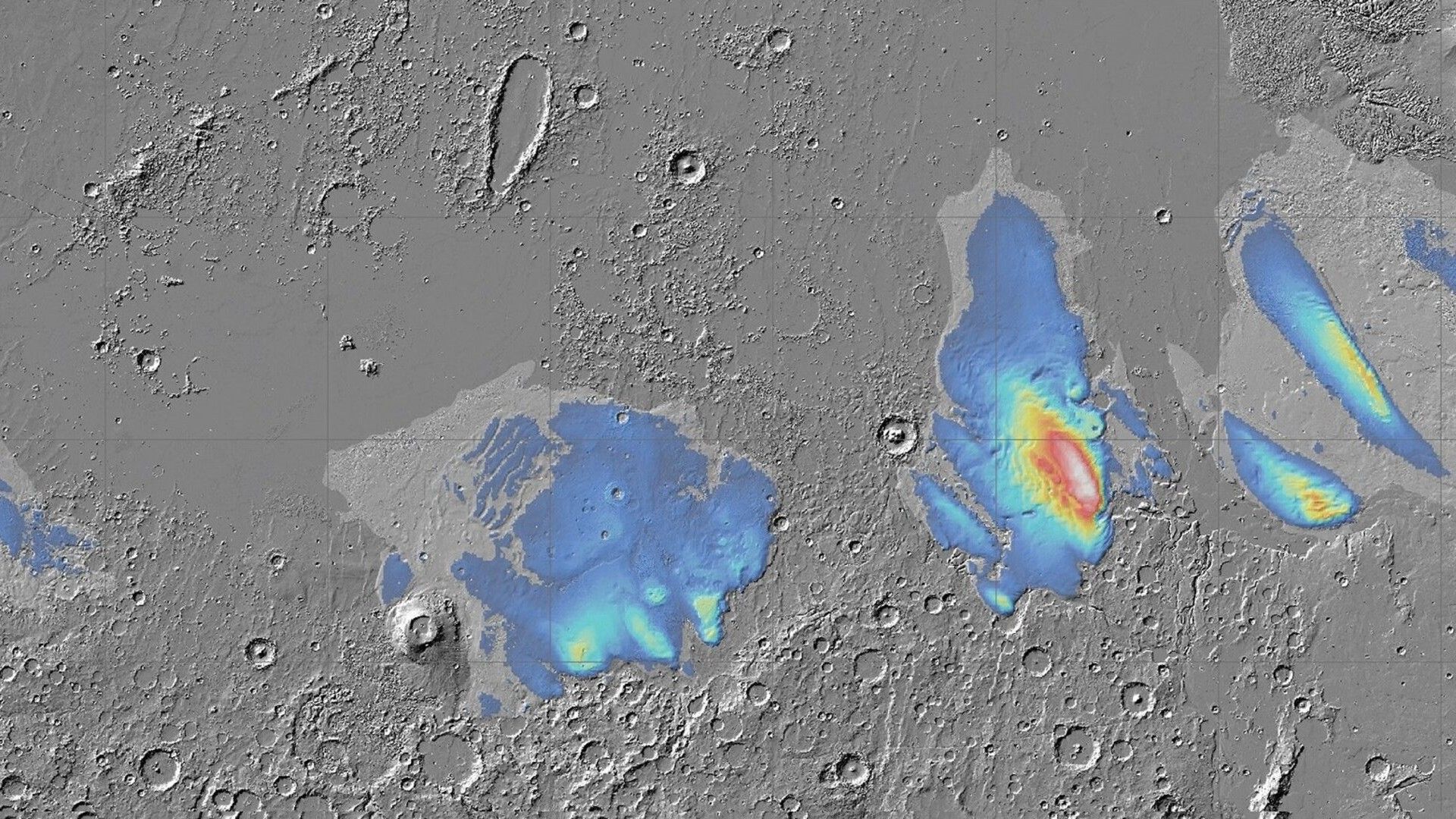
So let’s unpack this: Mars, a planet where daytime temps at the equator can hit 20°C, might be hiding massive ice deposits right under our noses. The kicker? It wasn’t glaciers or climate shifts — it was volcanoes raining ice from the sky after apocalyptic eruptions.
来捋一捋:火星赤道白天温度能到20°C,却可能在我们眼皮底下藏着巨量冰层。关键是什么?不是冰川或气候变迁,而是末日级火山喷发后,火山把冰‘雨’洒遍天空。
Imagine: one eruption blasts water vapor into the stratosphere. It freezes instantly, falls as ice ash, and gets buried under volcanic debris. Repeat for millions of years. Boom — you’ve got a snow globe no one knew existed. Also, the sulfuric aerosols probably cooled the whole planet. So volcanoes didn’t just bury ice — they might’ve created a temporary habitable window. Wild.
想象一下:一次喷发就把水蒸气炸进平流层,瞬间冻结成冰灰落下,再被火山碎屑掩埋。重复百万年。砰——一个谁都不知道的‘火星雪 globe’就诞生了。更绝的是,硫酸气溶胶可能还给整颗星球降温了。火山不只是埋了冰——它们可能还制造了一个短暂的宜居期。太疯狂了。
但咱们隔着轨道怎么区分冰和含水矿物啊?这不就像只看包装纸就判断三明治是金枪鱼还是鸡尾沙拉吗?
因为我们不是在‘看’——我们用的是中子和伽马射线光谱分析。不同元素会发出独特信号。水冰中的氢 vs 黏土中的结构羟基?光谱完全不同。虽不完美,但可比看包装纸靠谱多了。
如果赤道真有冰,那一切都变了。在赤道着陆容易多了——更省燃料、更多太阳能、温度更温和。现在还有水?把我名字报上去,第一个火星房产抽奖算我一份。
等等。在我们开始圈地、钻冰之前,难道不该先问一句:我们应该这么做吗?万一钻探戳破了一个存活数十亿年的封闭生态系统呢?我们可能会发现生命——然后立刻杀死它。
故事很酷,但这些模型只模拟了一次为期三天的喷发。火星气候在数十亿年间是混沌的。一次喷发造不出冰川。真正的地质证据在哪?我需要的不只是‘可能’和‘也许有’。
天体生物学乐观派