Mars Dark Streaks: Landslide Mystery Finally Solved — But Why Did It Take 50 Years?
火星暗条纹之谜终于解开——但为何花了整整50年?
www.livescience.com
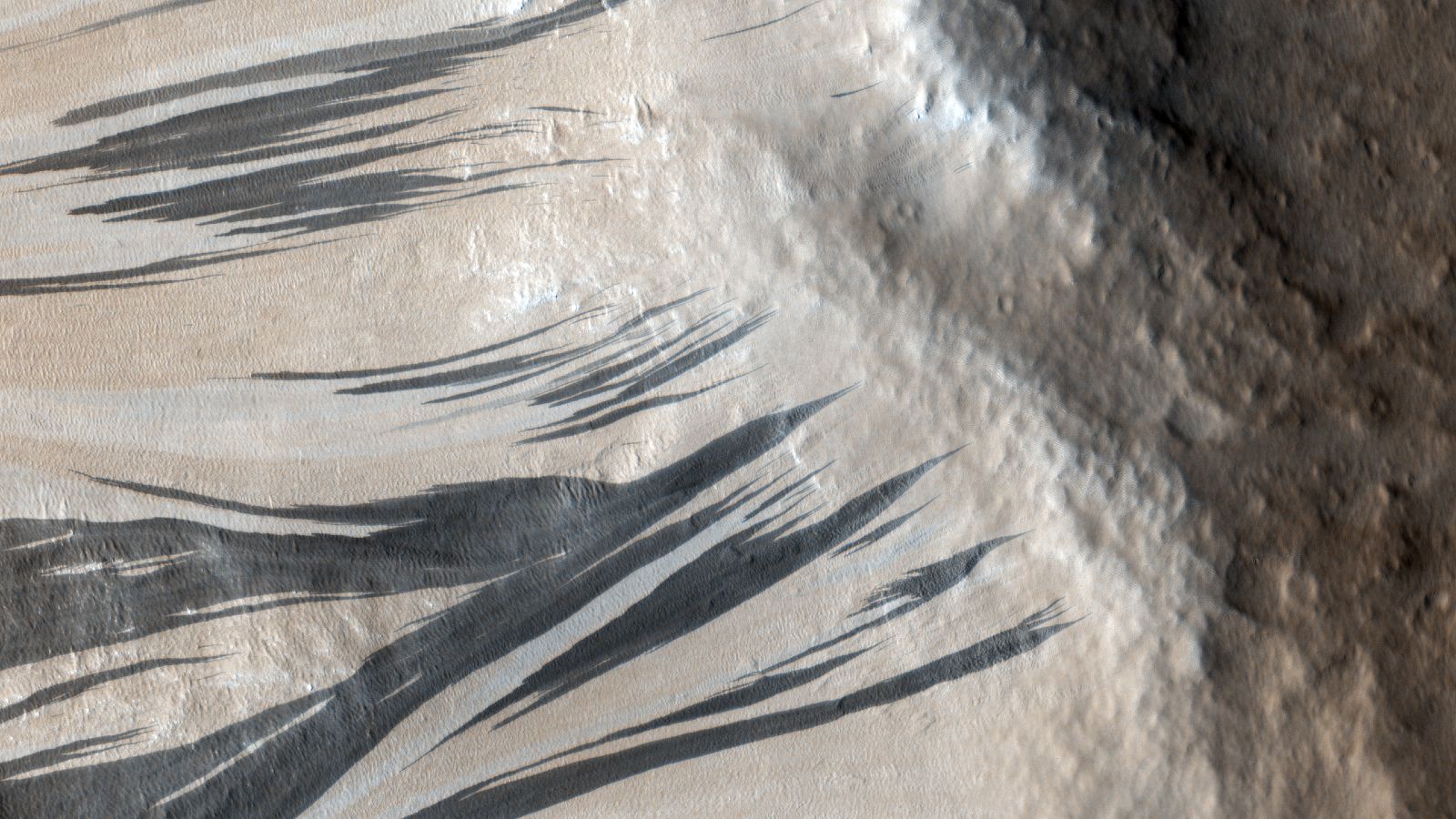
Turns out, those mysterious dark streaks on Mars aren't signs of alien mudslides or ancient water flow — they’re mostly just dust getting kicked up by seasonal winds. For decades, scientists chased the water dream, only to realize the real culprit was something way more mundane: wind erosion during dawn and dusk. Irony doesn't get drier.
原来,火星上那些神秘的暗色条纹并非外星泥石流或古代水流的痕迹——它们大多只是季节性大风吹起的尘埃。几十年来,科学家一直在追寻‘水的踪迹’,结果却发现真正的元凶平凡得不能再平凡:黎明与黄昏时的风蚀作用。讽刺味儿简直干得像火星土壤。
The kicker? These streaks form in total darkness — sunrise and sunset, when cameras can't catch them. So we've been missing the action for half a century. The final twist? Less than 0.1% of new streaks come from meteor impacts. We blamed space rocks for everything while the wind quietly did the real work.
最扎心的是?这些条纹在完全黑暗中形成——日出和日落时分,正是相机拍不到的时候。所以我们半个世纪都没看到现场直播。最后反转?不到0.1%的新条纹来自陨石撞击。我们把锅全甩给太空石块,而风一直在默默‘搞事情’。
大多数坡面条纹是由季节性风力触发的干燥颗粒流引起的——这一观点非常精妙。它解释了条纹的空间聚集性、年复一年的重现,以及为何高分辨率轨道器始终未能实时捕捉到条纹形成过程。这种简洁的机制常让人忍不住感叹:‘我们怎么早没想到呢?’
好吧,但如果风蚀如此活跃,这对地表设施意味着什么?太阳能板每隔几个月就会被掩埋吗?我们是不是严重低估了在火星上生活的维护噩梦?
你没说错。这些条纹向大气输送的尘埃远超我们预期。这些尘埃会助长全球性沙暴。对殖民地而言,这不只是清洁问题——更是能源与生存危机。
等等——我们用高分辨率相机盯着火星看了20多年。如果每年形成8万条条纹,我们早该拍到一次了。或许真正的问题是轨道器的时间安排,而不是‘太黑’这种借口。
实际上,轨道器并非设计为24小时盯着一个点。它们每隔几周才重访同一区域。如果事件仅在黎明发生几分钟,拍到的概率极低。这是采样问题,不是隐瞒。
数十亿颗尘粒,在夜之边缘的寂静斜坡上悄然滑落——火星并未死去。它以尘为息,以风为叹,在肌肤上刻下阴影。我们只是终于学会了读懂它的脉搏。
别忽视这个数据集的规模——18年间分析了210万条条纹。这正是长期轨道观测的力量。持续性永远胜过戏剧性瞬间。