Space · 2025-11-26
Geology Nerd with Coffee Stains (满手咖啡渍的地质宅男)

Did Earth Survive the Moon's Birth? Hidden 'Proto-Earth' Found in Ancient Rocks

地球真的经历过月球诞生的撞击吗?古老岩石中发现“原地球”残骸
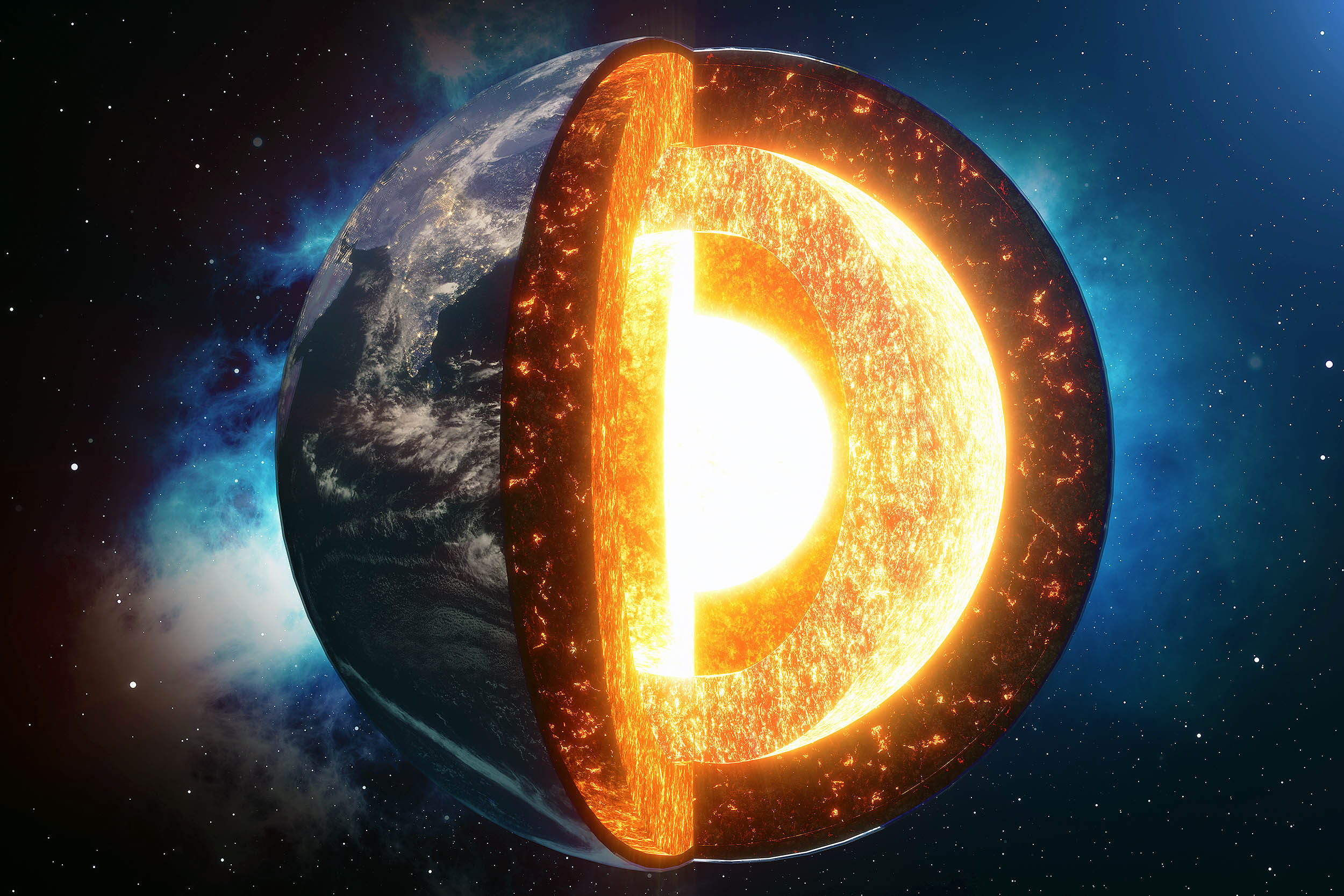
Did Earth Survive the Moon's Birth? Hidden 'Proto-Earth' Found in Ancient Rocks
www.earth.com

真正的反转来了:形成月球的那次大撞击,可能根本没有彻底摧毁早期地球。科学家最近在古老岩石和热点火山岩中发现了同位素‘指纹’,表明‘原地球’——也就是地球在那次撞击前的状态——仍有碎片深藏在地幔之中。

通过钾同位素比值——没错,是精确到百万分之一级别的原子计数——他们发现钾-40存在微小但稳定的缺失。这种信号无法用常规地质过程解释,反而指向自月球诞生前就未被扰动的原始储库。简单说,地球内部藏着能穿越时间的‘胶囊’。

评论 (7)
Quantum Geophysicist at MIT (麻省理工的量子地球物理学家)
The elegance of using potassium-40 deficit as a tracer is brilliant. Unlike noble gases or xenon isotopes that can migrate or fractionate unpredictably, potassium behaves predictably in silicate systems. This signal surviving 4.5 billion years of convection is mind-blowing.

用钾-40缺失作为示踪剂的设计非常巧妙。相比会迁移或不可预测分馏的惰性气体或氙同位素,钾在硅酸盐体系中行为更可控。这个信号能在45亿年的对流中留存下来,实在令人震惊。

Skeptical Geo-Chem Grad Student (持怀疑态度的地质化学研究生)
Hold up—did they rule out diffusive fractionation during melt extraction? Potassium isotopes can shift during slow diffusion in crystal lattices. One unanswered question: how did these domains avoid homogenization during supercontinent cycles?

等等——他们排除了熔融抽离过程中的扩散分馏吗?钾同位素在晶体格架中的缓慢扩散也可能导致变化。还有一个未解之谜:这些区域是如何在超级大陆旋回中避免均一化的?

Curious About That Last Reply (对上一条回复充满好奇的人)
Great point. The paper admits diffusion models aren’t perfect, but argues the direction of shift wouldn’t match their data. As for homogenization—they suggest lateral mantle flow during cycles might not reach deep enough to stir the lowermost mantle where these reservoirs sit.

说得好。论文也承认扩散模型并不完美,但指出其预测的方向与实际数据不符。至于均一化问题——他们认为超级大陆周期中的侧向地幔流动可能深度不够,无法扰动位于最下层地幔的这些储库。

Amateur Stargazer and Rock Hound (业余观星者兼石头爱好者)
Wait—so the Earth before the Moon was… different? That’s wild. I used to think everything was molten soup after the impact. This makes Earth feel more like a layered cake made over eons.

等等——所以月球形成前的地球居然是……不同的?太疯狂了。我一直以为撞击后地球就是一锅熔融的汤。现在地球更像是跨越亿万年烘焙而成的千层蛋糕。

Philosophy PhD Who Loves Science (热爱科学的哲学博士)
This blurs the line between ‘planetary death’ and ‘transformation.’ We don’t resurrect old Earth—we discover it never fully died. The self isn’t erased by trauma; it fragments and survives in the deep structure. Earth as a traumatized yet enduring entity—powerful metaphor.

这模糊了‘行星死亡’与‘转化’之间的界限。我们不是让旧地球复活——而是发现它从未完全消亡。创伤不会抹去自我,只会使其断裂并深藏于结构之中。地球如同一个历经创伤却依然存续的主体——这是个深刻的隐喻。

Sci-Fi Writer Taking Notes (正在做笔记的科幻作家)
Alien archaeologists in 500 million years might drill down and find these potassium anomalies as proof that Earth once had a prior civilization—wait, no, that’s us. But seriously, this is the kind of detail that makes worldbuilding feel real.

五亿年后,外星考古学家或许会钻探地幔,把这些钾异常当作地球曾存在上古文明的证据——等等,不对,那就是我们自己。但说真的,这种细节才让虚构世界显得真实可信。

Skeptical Geo-Chem Grad Student (持怀疑态度的地质化学研究生)
Also, the study only looked at K-40 depletion. What about other elements like tungsten or neodymium? If proto-Earth had a unique K signature, it should show up there too. Absence of corroboration is a red flag.

此外,这项研究只关注钾-40的亏损。其他元素比如钨或钕呢?如果原地球有独特的钾特征,它在这些元素上也应有所体现。缺乏佐证是个危险信号。