Dolphins Are Dying with Alzheimer’s Brain Patterns — Is Toxic Air from Algae Blooms the Smoking Gun?
海豚死时脑中出现阿尔茨海默病迹象——有毒藻类释放的空气毒素是真凶吗?
www.wgcu.org
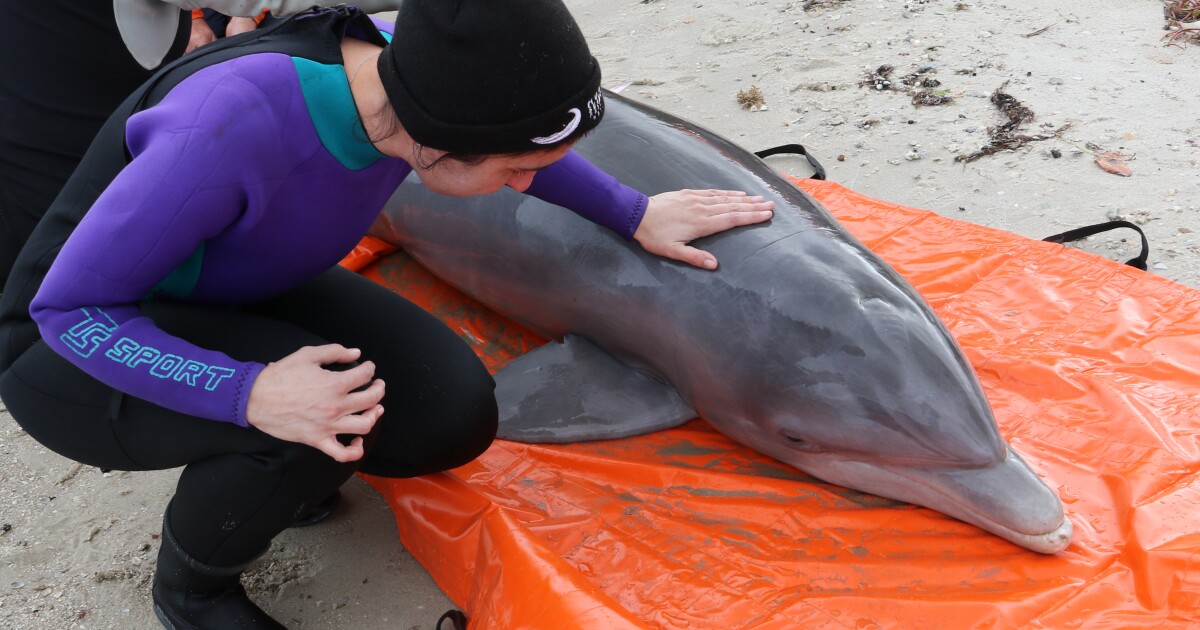
A new study found that stranded dolphins in Florida’s Indian River Lagoon had brain transcriptome changes resembling Alzheimer’s disease — and these changes were strongly linked to exposure to neurotoxins from harmful algal blooms. These aren’t just random correlations; researchers used dolphins as a ‘sentinel species’ because they’re long-lived and naturally develop similar brain aging patterns to humans.
一项新研究发现,佛罗里达印度河泻湖搁浅的海豚大脑转录组出现了类似阿尔茨海默病的变化,而这些变化与接触有害藻华释放的神经毒素密切相关。这并非偶然关联——研究人员选择海豚作为‘哨兵物种’,因为它们寿命长,且会自然出现与人类相似的大脑老化模式。
The real kicker? These toxins — produced by cyanobacteria in warm, nutrient-rich waters — can become airborne. We’re not just talking about contaminated water anymore. We’re breathing this stuff. If dolphins are showing Alzheimer’s signatures after chronic exposure, what does that mean for people living near toxic bloom zones?
最令人震惊的是?这些由温暖富营养化水域中的蓝绿藻产生的毒素,竟能进入空气。我们面对的已不只是受污染的水体,而是正在呼吸这些毒素。如果海豚在长期接触后已表现出阿尔茨海默病迹象,那么对生活在有毒藻华区附近的人类意味着什么?
我住在印度河泻湖边,每年夏天都能看到越来越多的海豚搁浅。我一直以为是天气太热,但现在开始怀疑是不是我呼吸的空气有问题。这太可怕了。我每天早上遛狗时,总能闻到一股‘沼泽味’的藻类臭味。我的大脑是不是正在慢慢受损?
相关不等于因果。海豚接触毒素并出现脑部变化,不代表前者导致后者。也许是汞、多氯联苯或船只噪音造成的。控制实验在哪?这感觉像是基于初步数据的危言耸听。
即便尚未百分百证实,预防原则仍然适用。我们早已知道蓝绿藻的风险,但监测资金不足和农业监管薄弱导致藻华愈演愈烈。这不只是海豚的问题,而是系统性环境忽视的症状。
我在当地海洋生物实验室工作,曾在藻华附近检测到气溶胶化的BMAA。这种分子极其稳定且会生物累积。海豚大脑同时出现炎症标志物和错误折叠蛋白,这在神经流行病学中几乎就是确凿证据了。
致科学怀疑者:我理解你想要证据。但当你的狗在湖边散步后开始抽搐,邻居的孩子出现持续头痛时,你不会等到双盲试验才行动。
我们需要绿色基础设施——人工湿地、缓冲带、雨水公园,以减少营养盐径流。这不仅限于沿海地区,内陆湖泊河流也有风险。公共卫生政策必须跟上环境科学的发展。
上世纪90年代,我们就称海豚为海洋生态系统的‘煤矿中的金丝雀’。如今我们正目睹这一预言成真。令人悲伤,但并不意外。
没错。现在我们自己也成了金丝雀。