The 1990s Horror Was Dead… So Why Was It More Alive Than Ever?
90年代的恐怖片已经死了……可为什么反而比以往更有生命力?
www.slashfilm.com
After the slasher wave crashed in the late '80s, the 1990s horror scene looked like a wasteland—at least on paper. No single trend ruled, sequels were getting lazy, and fans were nostalgic for Freddy and Jason. But dig a little deeper, and you’ll find the exact opposite: a wild, experimental playground where directors ditched rules and went full absurd.
在80年代末砍杀片浪潮退去后,90年代的恐怖片看起来像一片荒原——至少从表面看是这样。没有主导趋势,续集越来越敷衍,影迷们只能怀念弗雷迪和杰森。但只要你深入挖掘,就会发现截然相反的真相:这是一个狂野、实验性的游乐场,导演们抛弃了所有规则,彻底走向荒诞。
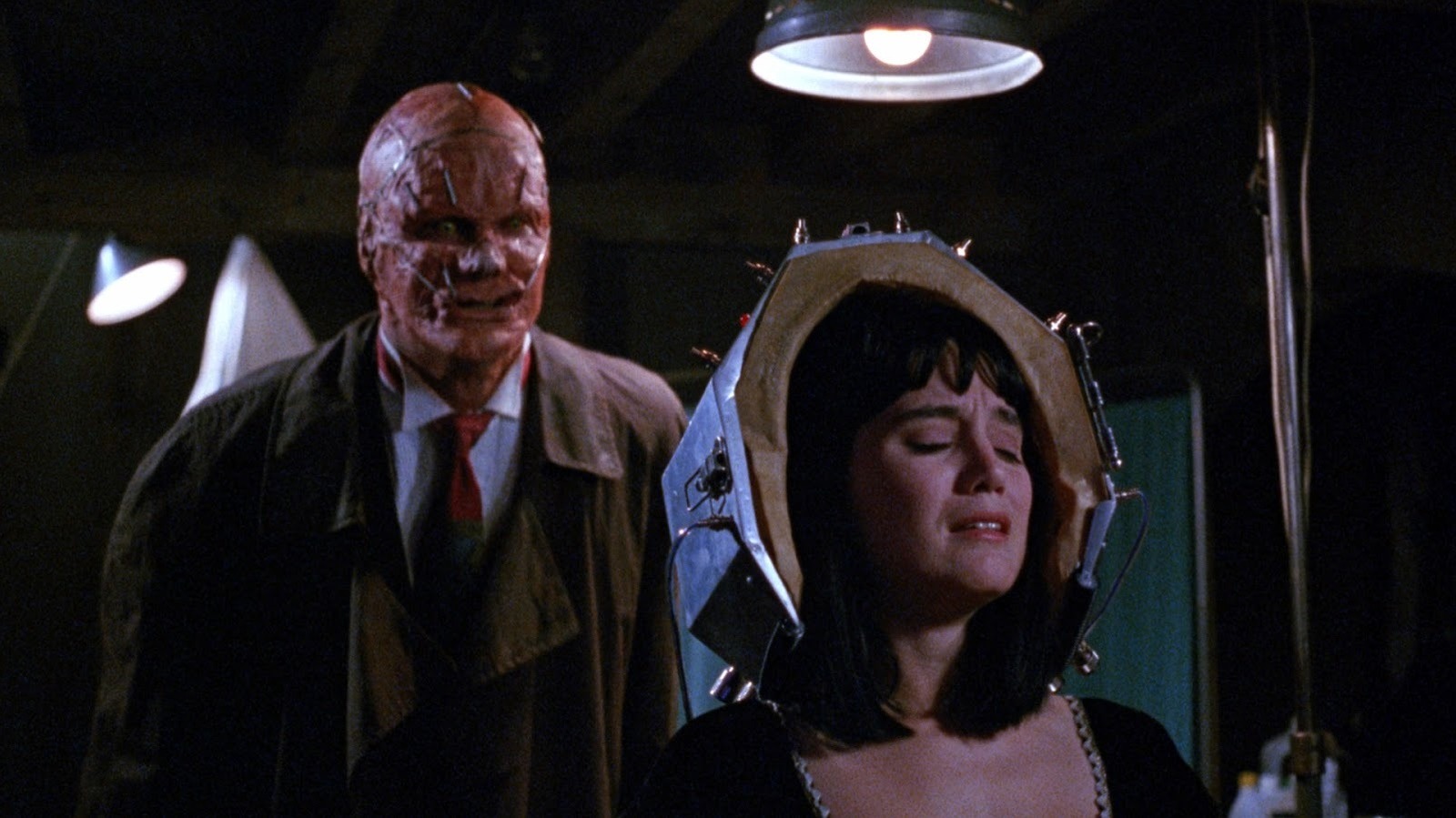
Take 'Popcorn' (1991), a meta-slasher five years before 'Scream.' Or 'Body Melt' (1993), where people explode from mutant vitamins and hillbillies eat kangaroo glands. This wasn’t horror dying—it was horror mutating. The genre didn’t need a revival; it needed an identity crisis. And honestly? That’s when it got interesting.
看看《爆米花》(1991),比《惊声尖叫》早五年就玩起了元砍杀。还有《人体融化》(1993),人们因突变维生素爆炸,乡巴佬吃袋鼠肾上腺。这哪里是恐怖片在消亡——这是在突变。这一类型不需要复兴,而是需要一次身份危机。说真的?正是这时它才变得有趣起来。
你想怎么叫‘实验性’都行,但90年代就是一片荒原。《惊声尖叫》通过带回叙事结构、规则和有动机的杀手拯救了恐怖片。之前呢?只是随机血腥和怪异邪教——那不是恐怖,只是为震惊而震惊。
你们都低估了《人体融化》。这部电影是实拍血腥特效的杰作。那些融化的场景?纯粹的实拍特效天才之作。还有蛇钻肚脐那一幕?恶心透顶,但又美得惊人。我宁愿看肠子从嘴里爬出来,也不愿再看一个CGI鬼魂。
90年代并非漫无目的——而是在解构。《爆米花》不只是一部砍杀片,它是关于类型片观赏行为的论文。杀手使用面具机器?这是对后现代媒体中身份碎片化的评论。
没错!《人体融化》的融化场景?不只是恶心——而是寓言式的。身体失去形态,正如同类型片自身正消解于混乱之中。这是用恶心恐怖来表现存在主义危机。
我只想被吓到。90年代给了我《幽灵颤音》,这就够了。凯文·贝肯看见鬼魂?太吓人了。真正的心理恐惧,没有那些搞笑的砍杀片烂梗。
哈哈,你们都想太多了。90年代的电影就是些便宜又怪异的片子,只为卖VHS录像带。哪有什么深层含义——只有氛围和霓虹灯光。
氛围也是文化数据。霓虹灯光并非随意——它是90年代后工业衰败与合成身份的象征。就连‘廉价’的VHS美学也反映出特定的模拟时代焦虑。
真正的真相是?90年代是实验室。80年代砍杀片的所有DNA与独立电影的怪诞、实拍血腥和后现代讽刺融合在一起。2000年代出现的伪纪录片、日本恐怖片、元恐怖片,都诞生于此。