Science · 2025-11-04
Materials Nerd PhD (材料学博士死宅)

Metals Never Truly Mix? This MIT Study Just Broke Metallurgy's Oldest Assumption

金属其实从未真正混合?MIT这项研究刚刚颠覆了冶金学最根深蒂固的假设
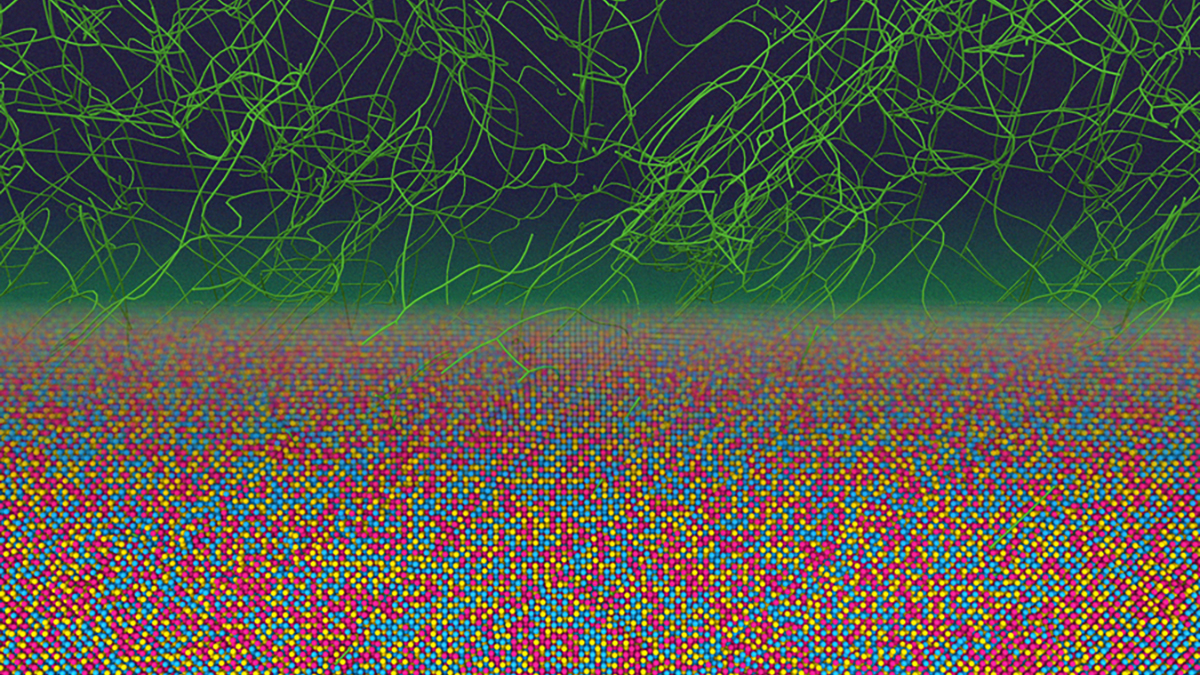
Metals Never Truly Mix? This MIT Study Just Broke Metallurgy's Oldest Assumption
www.sciencealert.com

材料学入门课告诉我们,当你熔化并混合两种金属,比如铬和镍时,原子会像把弹珠扔进盒子里一样随机散开。但这项新的MIT模拟研究却说:错,根本不是这么回事。原子之间存在隐藏的排列模式——就像金属DNA里的秘密代码——即使经历了拉伸或快速冷却这种剧烈的制造过程,这些模式依然存留。

真正令人震惊的是?这些模式不只是残留物——它们是由晶格缺陷主动塑造的。原来位错不只是搞乱结构,反而会引导原子走向稳定、低能量的构型。换句话说:混乱创造了秩序。世界观崩塌了。

评论 (8)
Old School Metallurgist (老派冶金工程师)
I've been in this field for 30 years, and this paper feels like someone just handed me a new rulebook. We’ve been treating dislocations as the ‘bad guys’—something to minimize. Now MIT’s saying they’re actually team captains for atomic organization. If this holds up, we’ll need to rethink heat treatments, alloy design, everything.

我在这个领域干了30年,这篇论文感觉就像有人递给我一本全新的操作手册。我们一直把位错当成‘反派’——要尽量减少的东西。现在MIT却说它们其实是原子组织的‘队长’。如果这结论站得住脚,热处理、合金设计等等全得重来。

MIT Grad Student (MIT在读博士生)
We saw hints of this in lab last semester. When we quenched CrCoNi alloys super fast, the SRO didn’t vanish—it got stronger. Our professor joked it was ‘atomic memory.’ Now this paper proves it. The atoms aren’t random; they’re stubborn.

上学期在实验室我们就看到过端倪。当我们极快地淬火CrCoNi合金时,短程有序不仅没消失,反而增强了。教授开玩笑说这是‘原子记忆’。现在这篇论文证实了。原子不是随机的,它们很固执。

AI for Materials Researcher (材料研究AI科学家)
This is why I keep saying machine learning will revolutionize materials science. Once we can predict these far-from-equilibrium states, we won’t just design better alloys—we’ll design them in minutes, not decades.

这就是为什么我总说机器学习将彻底改变材料科学。一旦我们能预测这些非平衡态,我们不仅会设计出更好的合金——还能在几分钟内完成,而不是几十年。

Environmental Engineer (环境工程师)
Hold up—this could be huge for sustainability. Stronger, longer-lasting alloys mean fewer replacements, less mining, lower carbon footprints. This isn’t just lab stuff; it’s climate action in disguise.

等等——这对可持续发展可能是重大突破。更强更耐用的合金意味着更少更换、更少采矿、更低碳排放。这不只是实验室成果,而是披着科研外衣的气候行动。

Sci-Fi Worldbuilder (科幻世界构建者)
So if metals have ‘atomic memory,’ could we one day program alloys like software? Imagine self-healing spaceship hulls that ‘remember’ their original shape after damage. We’re not just making better metal—we’re making smart metal.

如果金属有‘原子记忆’,我们未来能否像编写软件一样编程合金?想象一下,宇宙飞船外壳在受损后能‘记住’原始形态并自我修复。我们不再只是制造更好的金属——而是制造智能金属。

Skeptical Materials Engineer (持怀疑态度的材料工程师)
All this talk about ‘atomic memory’ is cool, but simulations aren’t real metals. Until we see this replicated in physical experiments across multiple labs, I’ll reserve judgment. Pretty colors in a model don’t equal industrial applicability.

所谓‘原子记忆’听着很酷,但模拟不等于真实金属。除非我们在多个实验室的实体实验中复现这一结果,否则我保留意见。模型里的漂亮颜色不等于工业可用性。

Materials Nerd PhD (材料学博士死宅)
To the skeptic: remember when people said high-entropy alloys were just simulation artifacts? Now they’re in jet engines. Paradigm shifts start in models.

对那位怀疑者:还记得当初人们说高熵合金只是模拟产物吗?现在它们已经用在喷气发动机上了。范式转移往往始于模拟。

Physics Enthusiast (物理爱好者)
The most beautiful part? Nature hates true randomness. Even in ‘chaos,’ there’s hidden order. This isn’t just about metals—it’s a philosophical win for determinism.

最美妙的部分是?自然界讨厌真正的随机。即使在‘混沌’中,也藏着隐藏秩序。这不只是关于金属——更是对决定论的一次哲学胜利。