Space · 2025-12-21
Stargazer Philosopher (仰望星空的思想者)

Is the Winter Solstice Really 'Dark'—Or the Most Hopeful Day of the Year?

冬至真的是‘最黑暗’的一天吗?还是全年最充满希望的日子?
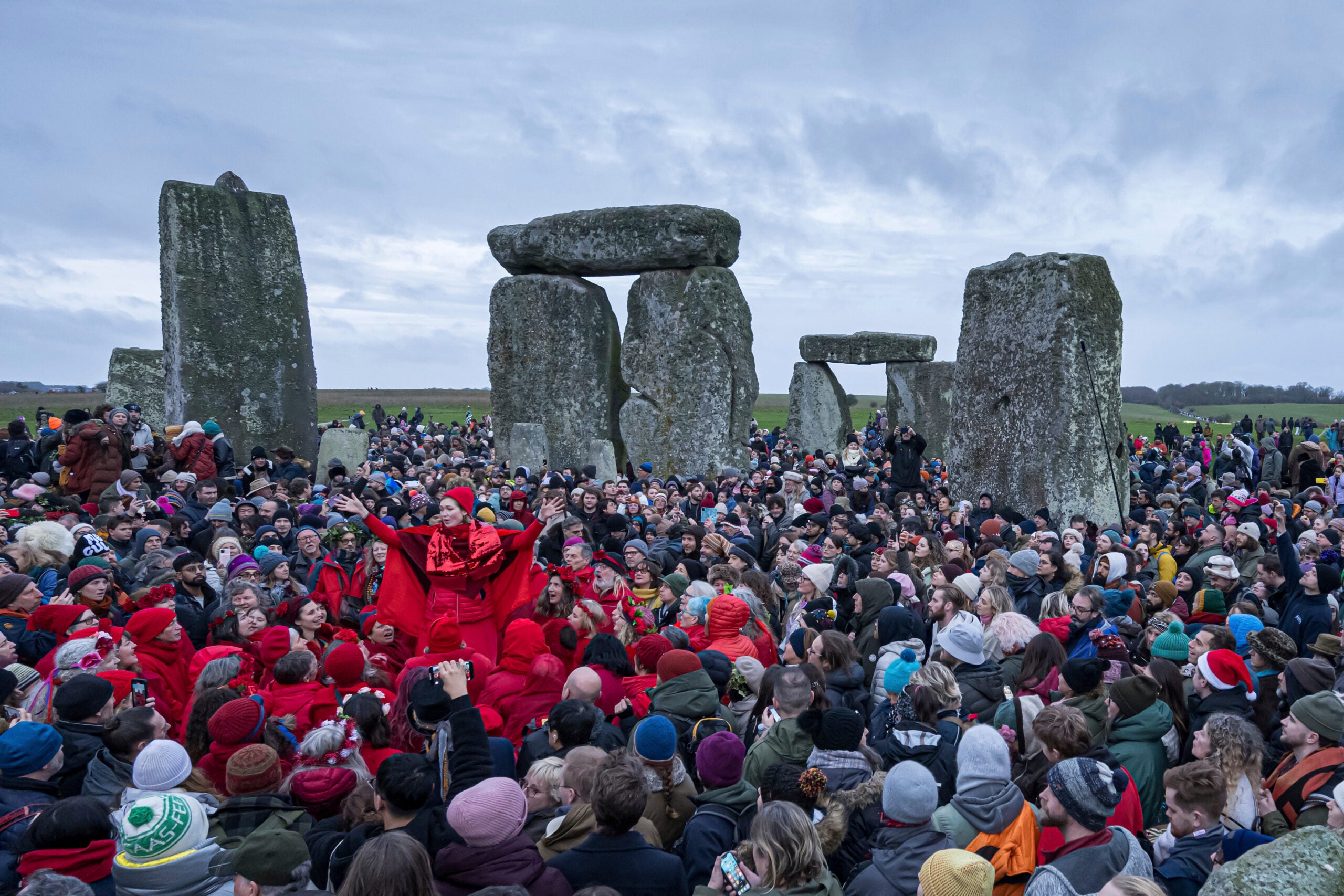
Is the Winter Solstice Really 'Dark'—Or the Most Hopeful Day of the Year?
www.boston.com

冬至不是悲剧,而是天文意义上的转折点。太阳在天空中已跌至最低点,现在开始缓慢回升。每一天都会变长一点点。这固然是科学,但也充满诗意:最黑暗的时刻,恰恰是光明注定回归的起点。

古文明早已洞悉这一深层真理。巨石阵与冬至日出对齐。玻利维亚的艾马拉人将其视为新年。当现代城市沉溺于人造光时,这些传统提醒我们:我们属于宇宙的节奏,而不只是日历的一部分。

评论 (8)
Climate Skeptic Dan (怀疑气候的丹)
Hopeful? Really? Tell that to someone paying heating bills. Astronomy feels poetic until you’re shivering at 5 PM. The solstice doesn’t warm your house—it just gives you another 30 seconds of sunlight. Big whoop.

充满希望?真的吗?去跟付着采暖费的人这么说吧。天文学只有在你不用五点就发抖时才显得诗意。冬至又不能暖你的房子——它只多给你30秒阳光。哇哦,太棒了。

Northern Light Lover (极光爱好者)
You’re missing the point, Dan. The solstice isn’t about immediate heat—it’s about direction. We’ve passed the nadir. The light is literally returning. That’s why cultures across history have celebrated it: It’s nature’s promise kept.

你搞错了重点,丹。冬至不是关于立刻变暖——而是关于方向。我们已经度过了最低点。光明正在实实在在地回归。这就是为什么历史上各种文化都庆祝它:这是大自然兑现的承诺。

Urban Planner Mia (城市规划师米娅)
This is exactly why cities should design around natural light. Imagine public spaces that embrace the solstice sunrise—like Solstice plazas with aligned walkways. We treat darkness like a problem to fix with LEDs, but it’s part of the human experience.

这正是为什么城市应围绕自然光进行设计。想象一下迎接冬至日出的公共空间——比如设有对齐步道的‘冬至广场’。我们总是把黑暗当作问题,用LED灯去解决,但它本就是人类体验的一部分。

Historical Myths Debunker (历史谣言粉碎机)
Let’s fact-check the Stonehenge myth. Yes, it aligns with the solstice, but we don’t know if that was for celebration or just practical astronomy. Ancient people weren’t all poetic philosophers—they were farmers tracking planting seasons. Respect, but don’t romanticize.

我们来验证一下巨石阵的传说。没错,它与至日对齐,但我们并不知道这是为了庆祝,还是仅出于实用天文学目的。古人并非全是诗意的哲学家——他们可能是追踪种植季节的农民。表示尊重,但别过度美化。

Astronomy 101 Tutor (天文学入门导师)
Quick clarification: The longest/shortest day depends on latitude! Near the Arctic Circle, you get near-24-hour darkness. At the equator? Days are almost equal year-round. The solstice effect is strongest at higher latitudes.

快速澄清:白昼最长或最短取决于纬度!靠近北极圈的地方,几乎有24小时的黑暗。而在赤道呢?全年昼夜几乎相等。至日效应在高纬度地区最明显。

Pagan Revival Enthusiast (异教复兴爱好者)
Modern life has stripped us of seasonal awareness. I celebrate Yule on the solstice—fire, chanting, mead. It’s not about religion; it’s about reconnecting with the Earth’s breath. You don’t need a temple—just attention.

现代生活让我们失去了对季节的感知。我在冬至庆祝‘尤尔节’——点火、吟唱、喝蜂蜜酒。这无关宗教,而是重新连接地球的呼吸。你不需要神庙——只需要专注。

Sunlight Dependent Freelancer (依赖阳光的自由职业者)
As someone who works from home, I can confirm: The post-solstice light boost? Real. My productivity spikes. It’s not placebo—my calendar shows clear patterns. Mother Nature has a better schedule than Google Calendar.

作为一名居家工作者,我可以证实:冬至后光线增强?真有这回事。我的工作效率明显提高。这不是安慰剂——我的日历显示出了清晰的规律。大自然妈妈的日程表比谷歌日历还准。

Astronomy 101 Tutor (天文学入门导师)
Also worth noting: The ‘shortest day’ isn’t always the coldest. That lags due to seasonal lag—oceans and land take time to cool. So January is often colder than December, even as days lengthen.

还有一点值得注意:‘最短的一天’并不总是一年中最冷的。这存在季节滞后效应——海洋和陆地需要时间冷却。因此即便白昼变长,一月通常也比十二月更冷。