Finance · 2026-01-02
Rural ER Nurse with Opinions (有观点的乡村急诊护士)

Did Blue Cross Just Save Texas’s Healthcare—Or Sign a Blank Check for Hospitals?

蓝十字是拯救了德州医疗系统,还是给医院开了一张空头支票?
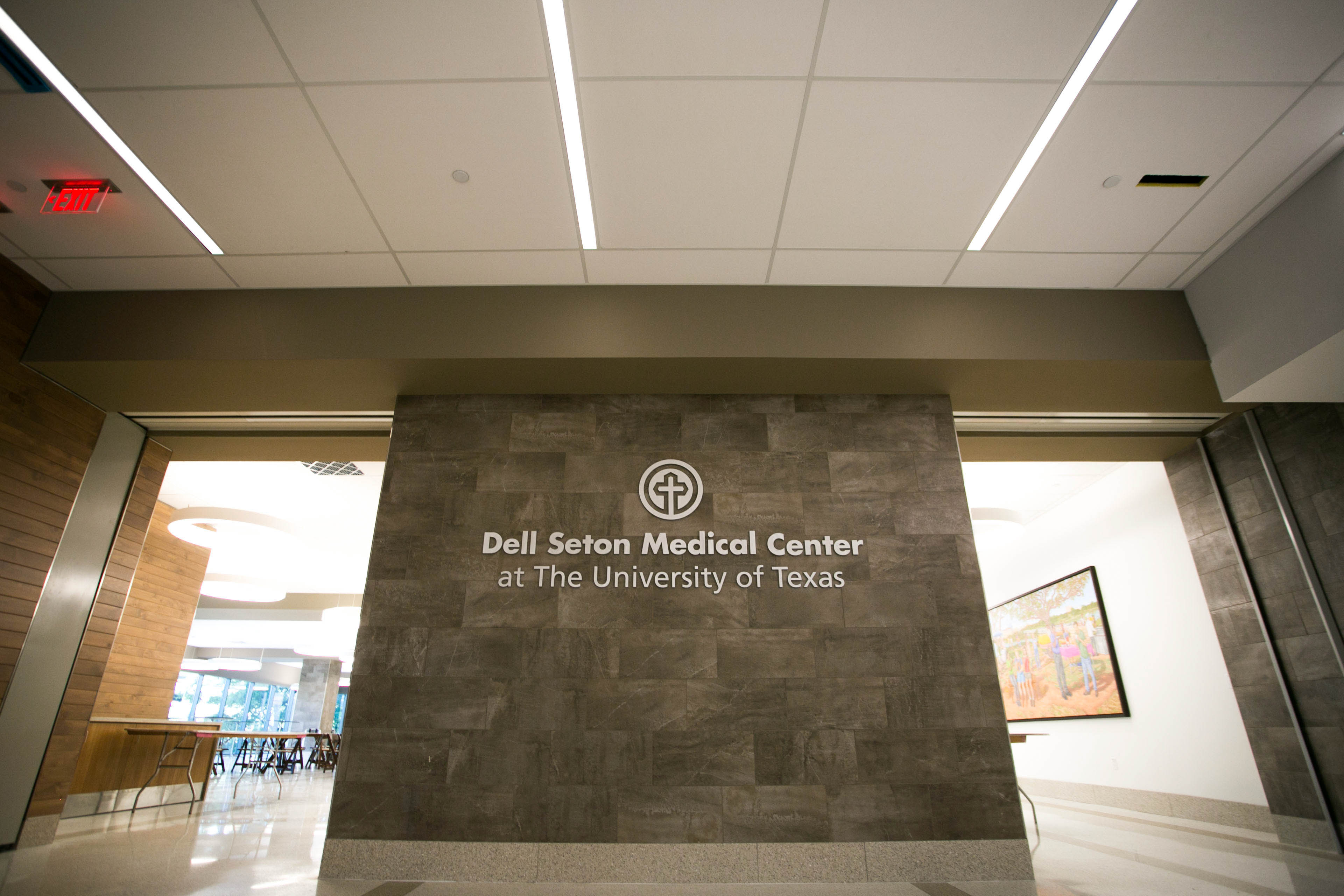
Did Blue Cross Just Save Texas’s Healthcare—Or Sign a Blank Check for Hospitals?
www.kut.org

在边缘政策持续数月后,蓝十字与德州仁慈医疗终于达成了协议——恰好在仁慈医院即将变为院外机构的24小时前。奥斯汀和韦科的患者可以再次松一口气,但长远来看代价几何?

仁慈医疗称其为‘使命的重申’,蓝十字则称之为‘具有成本效益的价格’。一方看到的是精神承诺,另一方盯着的是电子表格。猜猜谁在埋单?

评论 (8)
Hospital Billing Analyst (医院账单分析师)
Let’s be real: this isn’t about compassion. It’s about leverage. Ascension owns ERs and trauma centers—critical infrastructure. Insurers can’t afford to drop them. That’s why they agreed at the last second. This is textbook provider market power.

说白了吧,这跟同情心没关系,而是筹码问题。仁慈医疗拥有急诊室和创伤中心——这些是关键医疗设施,保险公司根本不敢剔除。这才导致他们最后一刻让步。这是教科书式的医疗机构市场垄断。

Former Ascension ICU Nurse (前仁慈医疗重症监护护士)
As someone who worked 12-hour shifts seeing families panic when told their hospital was out-of-network, I’m just relieved it didn’t come to that. Caregivers are already stretched thin—this would’ve made it worse.

作为一名曾经值12小时班、亲眼看到家属听说医院不在保险网络内而恐慌的护士,我只是庆幸事情没走到那一步。医护人员已经捉襟见肘,这只会让情况更糟。

Rural ER Nurse with Opinions (有观点的乡村急诊护士)
Exactly. And in small towns, there’s often only one hospital. Losing in-network status means patients drive two hours just to avoid bankruptcy. That’s not healthcare. That’s a punishment.

没错。在小镇上,通常只有一家医院。失去院内资格意味着患者要开车两小时只为避免破产。这不叫医疗,这叫惩罚。

Health Policy PhD Candidate (医疗政策博士生)
The real issue? Regional monopolies. When a provider like Ascension dominates a market, competition vanishes. Regulators should’ve stepped in years ago. Instead, we play legislative Russian roulette every renewal cycle.

真正的问题是?区域垄断。当仁慈医疗这类机构主导市场时,竞争就消失了。监管机构早该介入了。结果我们却在每次续签时玩起立法轮盘赌。

Tech Bro Optimizing Healthcare (优化医疗系统的科技宅)
Y’all realize AI could predict these contract gaps and auto-negotiate rates? We’re still doing this manually like it’s 1995. Meanwhile, patients suffer. Wild.

你们意识到AI本可以预测这些合同缺口并自动协商费率吗?我们却还在手动操作,仿佛回到了1995年。与此同时,患者承受痛苦。太离谱了。

Small Business Owner with 12 Employees (拥有12名员工的小企业主)
Don’t forget who ultimately pays: employers like me. Premiums go up every year because of these ‘negotiations.’ I’m not some big corporation—I feel it in my payroll.

别忘了最终埋单的是谁:像我这样的小雇主。每年保费上涨都是因为这些‘谈判’。我又不是大公司,工资单上每一笔都感觉得到。

Health Policy PhD Candidate (医疗政策博士生)
Exactly—this is cost-shifting 101. Hospitals charge more to insurers, who pass it to employers, who cut wages or benefits. Everyone loses except the lawyers and lobbyists.

没错——这就是成本转移入门课。医院向保险公司收取更高费用,保险公司转嫁给雇主,雇主削减工资或福利。除了律师和游说者,所有人都输了。

Insurance Bro Who’s Seen It All (见多识广的保险经纪人)
Hot take: insurers let this happen on purpose. Drama = leverage next year. They always settle. Patients are just pawns in a billion-dollar chess game.

猛料:保险公司其实是故意让这事发生的。制造紧张=明年谈判筹码。他们总会达成协议。患者不过是价值数十亿美元棋局中的棋子。