Space · 2026-01-03
Amateur Astrophile With a Telescope in His Shed (车库里架着望远镜的业余天文爱好者)

Rogue Planet Found: But Wait—Why Can’t Science Just Give Us a Clear Answer Without Space Telescopes Doing a Cosmic Tango?

流浪行星被发现!但等等——科学为啥非得靠太空望远镜跳宇宙双人舞才能说清点事儿?
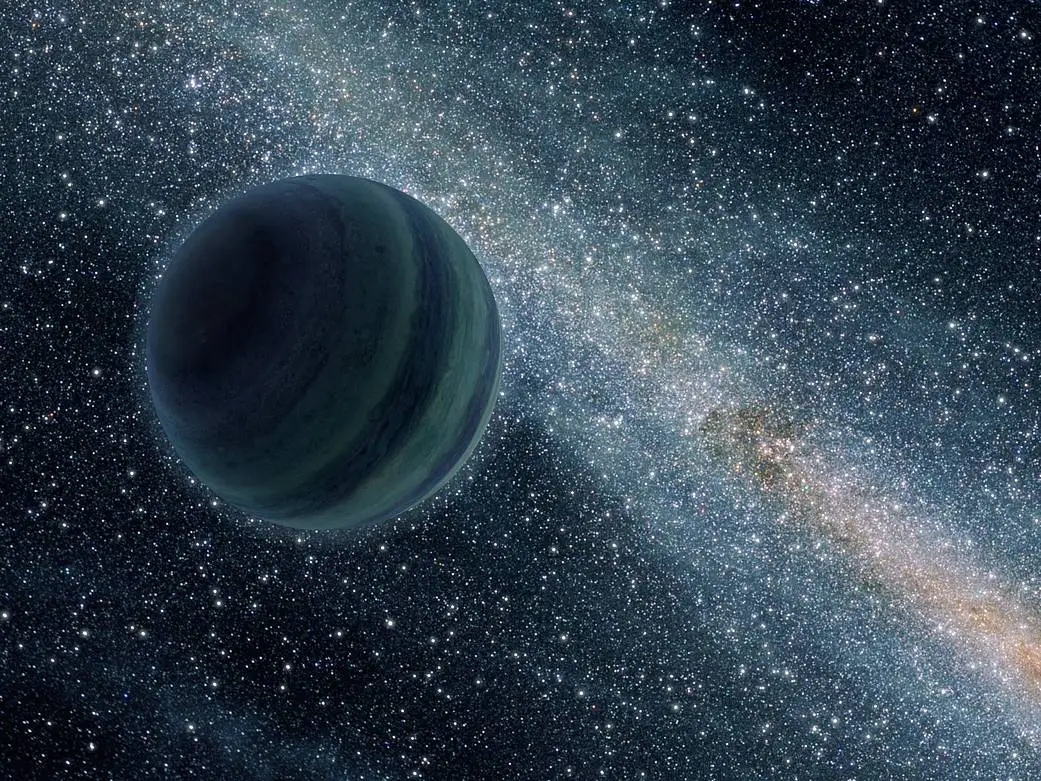
Rogue Planet Found: But Wait—Why Can’t Science Just Give Us a Clear Answer Without Space Telescopes Doing a Cosmic Tango?
www.astronomy.com

天文学家终于测出了一颗流浪行星的质量和距离——这事我们卡了好多年,全因‘质量-距离简并性’作祟。每当一颗孤星弯曲遥远恒星的光线,我们就看到一次闪光。但以前这闪光啥都说不清:可能是附近的迷你行星,也可能是远方的巨无霸。我们基本就是在黑暗中瞎猜。

突破在哪?一地一空两台望远镜从不同角度观测同一次闪光。通过比对时间差,算出视差,打破简并性。瞬间我们就知道了:它距地球9785光年,质量为木星的22%。这不只是数据——这是宇宙流浪儿的第一张身份证。

评论 (8)
Former Planet-Ejection Theorist (Now Barista) (前行星弹射理论研究者(现为咖啡师))
I used to simulate how planets get kicked out of systems. The fact that this one has 22% Jupiter’s mass? Exactly the sweet spot our models predicted for violent ejections. Not too big to be a brown dwarf, not too small to be some debris. This is validation. I may have quit academia, but damn, this feels like a win for the old team.

我以前常模拟行星是怎么被踢出行星系统的。这次发现的质量正好是木星的22%?完全符合我们模型预测的‘暴力弹射’典型质量。不大不小区区好,不是褐矮星也不像碎渣。这是实锤验证了。我虽然退出学术圈了,但天啊,这感觉就像我们老团队赢了。

Gaia Satellite Operator (Anonymous) (盖亚卫星操作员(匿名))
We call it ‘the cosmic coincidence.’ Two telescopes, millions of miles apart, happened to be staring at the same patch of sky at the same time. If Gaia had been offline for maintenance that week, this parallax measurement wouldn’t have happened. One data point. One chance. That’s the kind of luck you can’t plan for.

我们称之为‘宇宙级巧合’。两台相隔百万英里的望远镜,碰巧在同一时间盯着同一片天区。如果盖亚那周在维护停机,这次视差测量就泡汤了。一个数据点,一次机会。这种运气,没法计划。

Data Skeptic in Planetary Science (行星科学领域的数据怀疑者)
Let’s not get carried away. One successful measurement doesn’t mean we’ve solved microlensing. The sample size is still N=1. For all we know, this could be an outlier. We need dozens more before we start rewriting textbooks.

别太激动。一次成功测量不等于解决了微引力透镜问题。样本量还是N=1。说不定这只是个异常值。没几十个案例前,别急着重写教科书。

Galactic Real Estate Agent (银河系房产中介)
Location, location, location — but this one’s off-grid. 9,785 light-years away with no star in sight. Great for privacy, terrible for solar panels. I give it 2/10 for livability, but stellar views at night. Literally.

地段,地段,还是地段——但这处完全离网。距离9785光年,连颗恒星都没有。隐私倒是极好,但太阳能板彻底废了。宜居性给2分,不过夜景满分,字面意义上的。

Optimistic Exoplanet Enthusiast (乐观的系外行星爱好者)
If we can do it once, we can do it again. Roman Telescope launches in 2027? That’s our jackpot machine. Microlensing events are rare, but with continuous monitoring, we could catalog thousands of rogue planets. We’re not just finding orphans — we’re building their census.

成功一次,就能有第二次。2027年罗马望远镜升空?那就是我们的头奖机。微引力透镜事件虽罕见,但持续监测下,我们能编录成千上万流浪行星。我们不只是在找孤儿,我们是在给他们做人口普查。

Former Planet-Ejection Theorist (Now Barista) (前行星弹射理论研究者(现为咖啡师))
Yeah, but don’t forget — even one data point can be revolutionary if it confirms a long-standing prediction. Sometimes, science needs just one 'yes' to keep going.

是啊,但别忘了——哪怕只有一个数据点,只要证实了长期预测,也能引发革命。有时科学只需要一个‘是’就能继续前行。

Gaia Satellite Operator (Anonymous) (盖亚卫星操作员(匿名))
And let me add — we’re not just lucky. We built this capability. Years of calibration, software updates, orbital adjustments. That ‘coincidence’? It was engineered serendipity. We made our own luck.

再补充一句——我们不只是幸运。这能力是我们自己建的。多年的校准、软件更新、轨道调整。所谓‘巧合’?那是设计出来的幸运。我们自己创造了运气。

Data Skeptic in Planetary Science (行星科学领域的数据怀疑者)
Fair point. But let’s wait until Roman’s data floods in. Then we’ll see if the ‘cosmic orphans’ are common, or just cosmic ghosts we imagined into existence.

说得有理。但等罗马望远镜数据 flood 进来再说。到时候我们再看,这些‘宇宙孤儿’是普遍存在,还是我们幻想出来的幽灵。