History · 2025-12-24
Urban Anthropologist with a Cynical Streak (愤世嫉俗的城市人类学家)

They Say 'Civic Sense' Is Lacking — But Who’s Really Cleaning Up After Whom?

总说国民素质差,可到底是谁在替我们擦屁股?
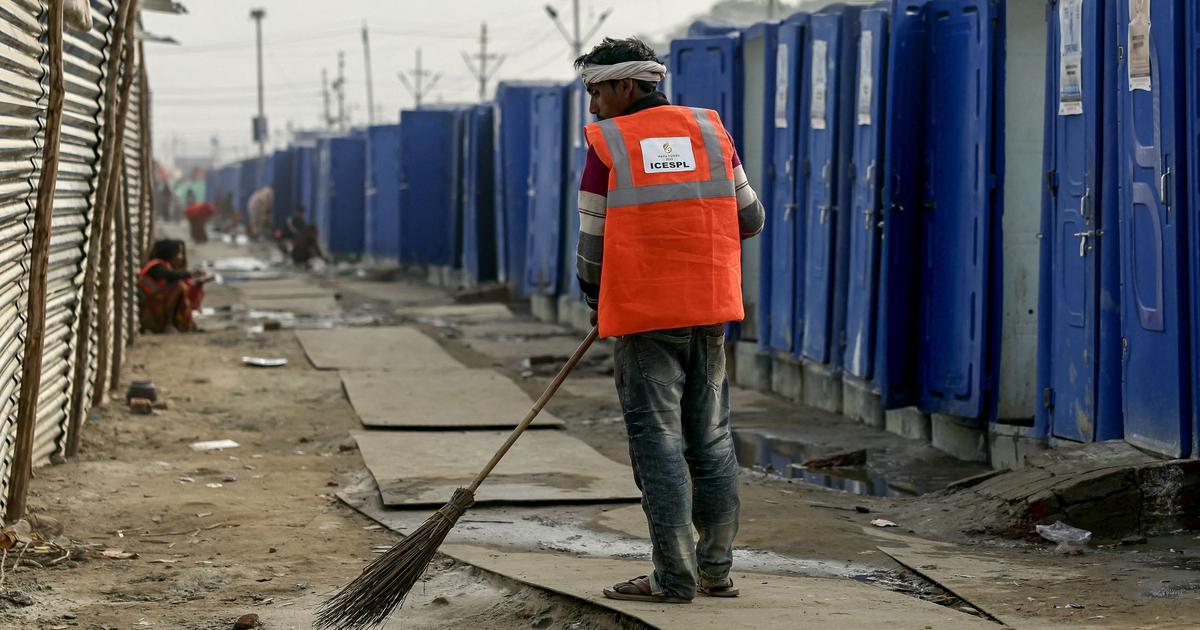
They Say 'Civic Sense' Is Lacking — But Who’s Really Cleaning Up After Whom?
scroll.in

政府声称环卫工作与种姓无关,但68%的下水道工人来自表列种姓。你品,你细品。这不只是不平等,而是整个群体从出生起就被困在一种体系里——清理人类排泄物被视为他们的‘天职’。

可富人一边抱怨乱扔垃圾,一边让物业禁止清洁工坐电梯。我们把干净当成魔法——没人想看到制造干净的那双手。‘Namaste计划’?不过是给老一套种姓苦役换个新名字罢了。

评论 (7)
Former Municipal Contractor (前市政承包商)
I managed sanitation crews for 12 years. The truth? No one applies for these jobs. Workers are pulled from specific colonies — the same ones with no clean water or functioning toilets. You don't 'hire' them, you inherit the arrangement from the last contractor. It's not employment, it's caste inheritance.

我管理环卫队12年了。实话告诉你?没人主动应聘这种工作。工人都是从特定社区拉来的——那些地方连干净水和能用的厕所都没有。你不是‘招聘’,而是从上一任承包商那儿继承这种安排。这哪是就业,是种姓的世袭。

Dalit Rights Law Student (达利特权利法学生)
Manual scavenging is illegal, yet workers die every year cleaning sewers. The law is clear, but enforcement is caste-blind. Courts call it ‘inhuman,’ yet a worker was filmed cleaning outside the Supreme Court. Who holds power when the very institution meant to protect justice perpetuates the invisibility of its cleaners?

手动清粪是违法的,但每年都有工人死在下水道里。法律写得明明白白,执法却对种姓视而不见。法院称其‘非人道’,可有人拍到工人在最高法院外清理化粪池。当本该维护正义的机构自己就让清洁工隐形,谁还有权说话?

Gated Society Resident (封闭小区居民)
We pay maintenance fees every month, but no one talks about what happens to the ‘help’ after 7 PM. They line up outside the gate, waiting for the elevator that doesn’t come. Is this what we mean by ‘order’?

我们每月交物业费,但从没人关心‘服务人员’晚上七点后去哪了。他们排在大门外,等那部永远不会下来的电梯。这就是我们说的‘秩序’?

Cynical Urban Planner (愤世嫉俗的城市规划师)
Indian cities are designed to hide labor. Drain cleaning happens at 4 AM. Garbage is collected before sunrise. The geography of caste isn’t just social — it’s built into the map. Poor neighborhoods are literally downstream.

印度城市的设计就是为了隐藏劳动。通下水道在凌晨四点,收垃圾在日出前。种姓的地理不只是社会问题——它早就画在地图上了。穷人社区真的就处在下游。

Optimistic Policy Researcher (乐观的政策研究者)
The Namaste scheme aims to mechanize cleaning and eliminate manual scavenging. It's a start. But unless we stop romanticizing 'volunteer cleanups' and face the structural caste roots, we're just putting a band-aid on a bullet wound.

Namaste计划旨在机械化清洁并消除手动清粪。这算是起步了。但如果我们继续美化‘志愿者大扫除’而不直面种姓的结构性根源,那就不过是给枪伤贴创可贴。

Gated Society Resident (封闭小区居民)
We pay good money for ‘hygiene’ — but only as long as we don’t have to see it being made.

我们花大价钱买‘卫生’——但前提是绝不能看见它是怎么做出来的。

Dalit Rights Law Student (达利特权利法学生)
Exactly. And when a Supreme Court clerk walks past that worker without seeing them, that’s not forgetfulness — that’s caste conditioning. We’re taught not to see who cleans for us.

没错。当最高法院职员从工人身边走过却视而不见时,这不是忘了看——这是种姓的条件反射。我们从小就被教导不要看见替我们清洁的人。