Is the Sky Really Going to Light Up Tonight? Northern Lights Set for Rare U.S. Appearance — Are You Ready?
오늘 밤 하늘이 진짜로 빛으로 물들까? 북극광, 미국 전역에서 보기 드물게 등장 예정 — 준비되셨나요?
www.newsweek.com
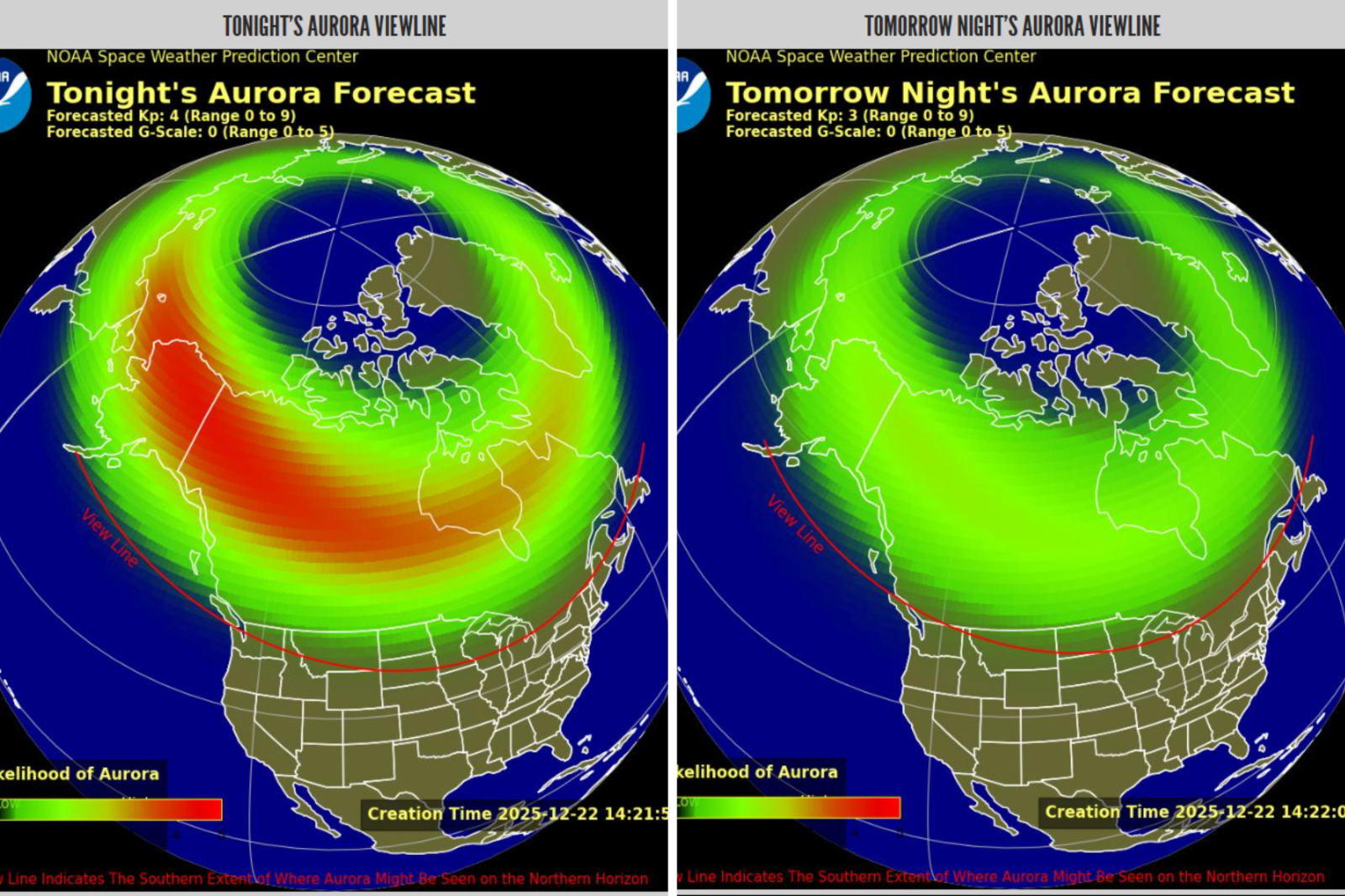
So NOAA's just casually dropping a geomagnetic storm warning like it’s a weather update for rain? Oh hey, no big deal—just Earth’s magnetic field linking up with the sun’s, solar winds funneling into the magnetosphere, and auroras potentially lighting up 12 states. Just another Tuesday.
NOAA가 마치 비 오는 날씨 예보하듯 지자기 폭풍 주의보를 그냥 툭 던지네요? 어이, 별일 아닙니다—지구 자기장이 태양과 연결되고, 태양 바람이 자기권으로 쏟아져 들어오며, 12개 주에서 북극광이 하늘을 밝힐지도 모른다구요. 그냥 또 다른 화요일이었을 뿐이죠.
But here's the kicker: you won’t see a damn thing if your sky’s cloudy, or you’re stuck in a city with light pollution. Even moonlight can wash out the aurora. So unless you’re driving three hours north into pitch-black farmland with your thermos full of coffee, you might want to manage your expectations.
하지만 핵심은 여기 있습니다: 하늘이 흐리거나 빛 공해가 심한 도시에 갇혀 있다면, 아무것도 못 볼 거예요. 달빛마저 북극광을 흐리게 만들 수 있어요. 그래서 커피 든 열 보온병을 들고 세 시간 동안 북쪽 어두운 시골길을 운전하지 않는 한, 기대는 낮추는 게 좋을 겁니다.
지난번에 예보 나왔을 때 두 시간 동안 북쪽으로 운전했어요. 자정에 도착했는데 구름이 몰려와서 아무것도 못 봤죠. 다시는 안 갈 거예요. 이번엔 제대로 봐야 할 텐데 말이에요.
아름답긴 하지만, 동시에 경고이기도 해요. 이런 지자기 폭풍은 위성, 송전망, GPS를 마비시킬 수 있어요. 태양 활동이 활발해지면서 이런 폭풍이 더 자주 나타나고 있죠. 단순한 불빛 쇼가 아니라 경고 신호에요.
기회가 적다는 건 알지만, 오늘 밤 차에 짐을 싸기로 했어요. 하늘이 춤추는 걸 보는 데는 마법 같은 게 있어요. 아주 희미한 녹색 빛이라도 본다면, 그 모든 시간이 값진 게 될 거예요.
같은 생각이에요. 마법 같은 건 알지만, 60달러를 주고 기름 넣은 거와 추위 속에서 날린 두 시간도 기억나요. 낭만은 난방비를 안 내주거든요.
전문 팁: 장노출이 가능한 수동 카메라를 사용하세요. 핸드폰으로는 안 됩니다. 손전등도 놓치세요—눈이 어둠에 적응하려면 30분이 걸려요. 쌍안경 가져오세요? 물론이죠. 하지만 충분히 인내심을 가진다면 눈만으로도 충분합니다.
태양의 27일 회전 주기를 확인하세요. 같은 활동 영역이 다시 돌아와 다음 주에 우리를 또 공격할지도 몰라요. 이것은 끝난 게 아닙니다. 그리고 NASA의 30분 예보를 북마크하세요—황금보다 귀해요.
동의합니다. 그 예보가 지난달 제 여행을 구했어요. 없었다면 헛되이 어둠을 쳐다보며 보냈겠죠.
우린 이것을 뉴스 10시 뉴스에서 5초만 방송할 거예요. 운석 보도하듯이요—신나다 싶더니 금방 사라지죠. 한편, 사람들은 이를 보려고 몇 시간씩 운전해요. 말도 안 되네요.