BBC's 'Civilisations' Falls Flat on History: Is It Education or Entertainment?
BBC '문명' 시리즈, 역사 왜곡 논란…교육인가 오락인가?
theconversation.com
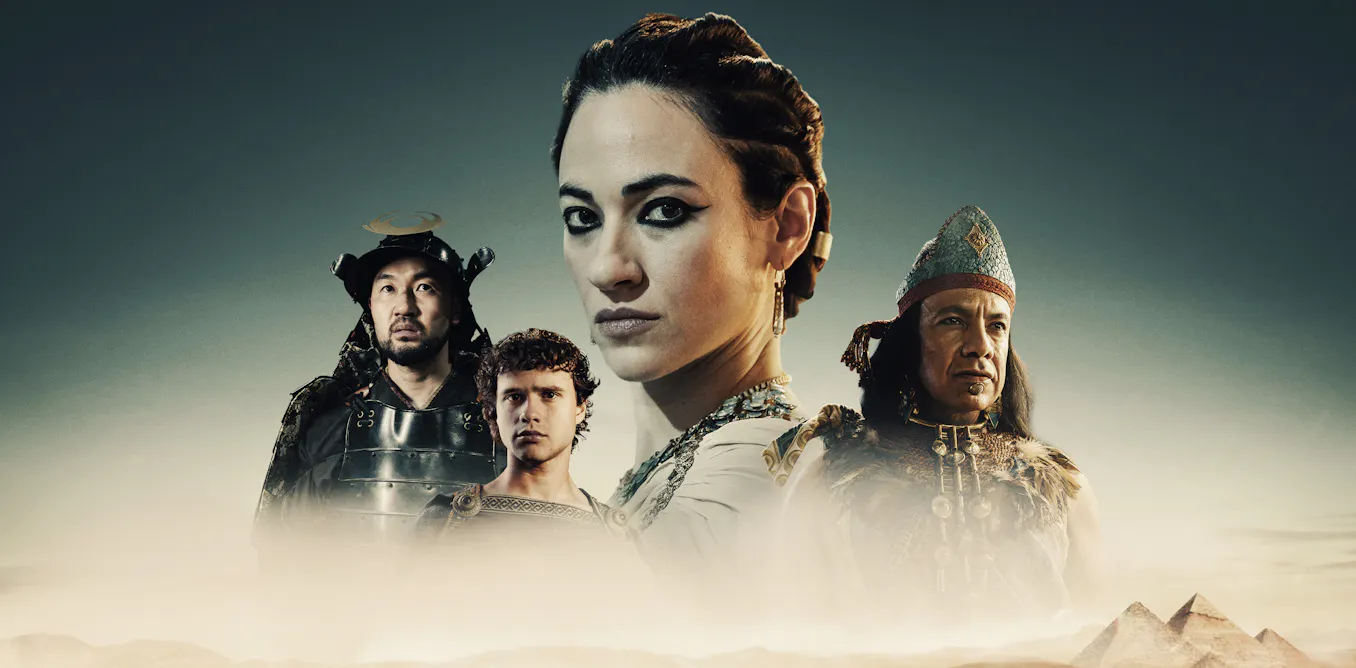
The BBC’s Civilisations series tries to dramatize the fall of four great civilizations: Rome, the Aztecs, the Ptolemies, and the Edo-era samurai. But according to real experts, it’s more 'drama' than 'civilisation'.
BBC의 '문명' 시리즈는 로마, 아즈텍, 프톨레마이오스 왕조, 에도 시대의 사무라이 등 네 개의 위대한 문명 몰락을 드라마틱하게 묘사하려 합니다. 하지만 실제 전문가들에 따르면, 이것은 '문명'보다는 '드라마'에 더 가깝습니다.
One scholar calls the Rome episode thoughtful and humane—but the others accuse the Ptolemaic and Samurai episodes of historical misrepresentation. If we're going to binge-watch history, shouldn't we at least get the facts right?
한 학자는 로마 에피소드를 사려 깊고 인간적인 시각이라고 칭찬했지만, 다른 학자들은 프톨레마이오스와 사무라이 편에서 역사 왜곡을 범했다고 비판합니다. 우리가 역사를 정주행할 때, 적어도 사실이라도 제대로 전달받아야 하지 않을까요?
저는 사실 로마 에피소드를 정말 좋아했습니다. 476년이 아니라 알라릭의 로마 약탈을 실질적인 전환점으로 삼은 점 말이에요. 단순히 연도가 아니라 그 시대 사람들이 느꼈던 충격을 전달한 거죠. 마치 그 혼란을 직접 체험하는 기분이 들었어요.
프톨레마이오스 편은 완전히 엉망입니다. 시대도 맞지 않는 유물을 쓰고 클레오파트라 시대 해석도 잘못됐어요. 마치 르네상스 시대 회화를 구석기 동굴 여행에서 보여주는 꼴이에요.
저도 동의합니다. 클레오파트라 부분은 정말 보기 민망했어요. 그 시대에 살아있지도 않은 비-프톨레마이오스 시대 제사장까지 등장시켰다니요. 단순한 오류를 넘어서 지적 성의가 전혀 없다고 봅니다.
일본 편은 마치 '흑선'이 완전히 고립된 일본을 열어젖힌 것처럼 묘사합니다. 하지만 사실은 네덜란드와 무역했고, 서양 과학을 공부했으며, 시간이 멈춘 사회가 아니었습니다. 이건 수세기에 걸친 섬세한 변화를 과도하게 단순화한 거예요.
맞아요. 나가사키 데지마의 네덜란드 무역소는 통제된 세계 속 지식의 작은 섬이었습니다. 이들은 그것을 '란학'이라 불렀고, 일본의 근대화에 큰 영향을 미쳤죠. 이것을 무시하는 건 이야기의 절반을 지우는 것과 같습니다.
아즈텍 편은 마침내 서사를 뒤집었습니다—몬테수마는 겁쟁이가 아니고, 코르테스는 영웅도 아닙니다. 아즈텍 사람들을 야만인으로 보기보다 전략가로 그리죠. 이런 서사 재구성이 중요한 거예요.
난 사실에 관심 없어요—드라마와 의상이 재미있으면 돼요. 비주얼이 멋지고, 그게 일요일 밤엔 충분하거든요.
현실적으로 TV 다큐는 항상 줄거리를 생략할 수밖에 없어요. 한 에피소드에 천 년을 담을 순 없죠. 진짜 문제는 복잡성을 생략하면서도 마치 권위 있는 해석인 것처럼 포장할 때입니다.