Dolphins Are Showing Alzheimer’s Signs—And It’s Blowing Scientists’ Minds. Is This a Canary in the Coal Mine for Humans?
돌고래가 알츠하이머 징후를 보이고 있다. 과학자들 조차 경악했다. 이게 인간에게 경고 신호라면?
www.wgcu.org
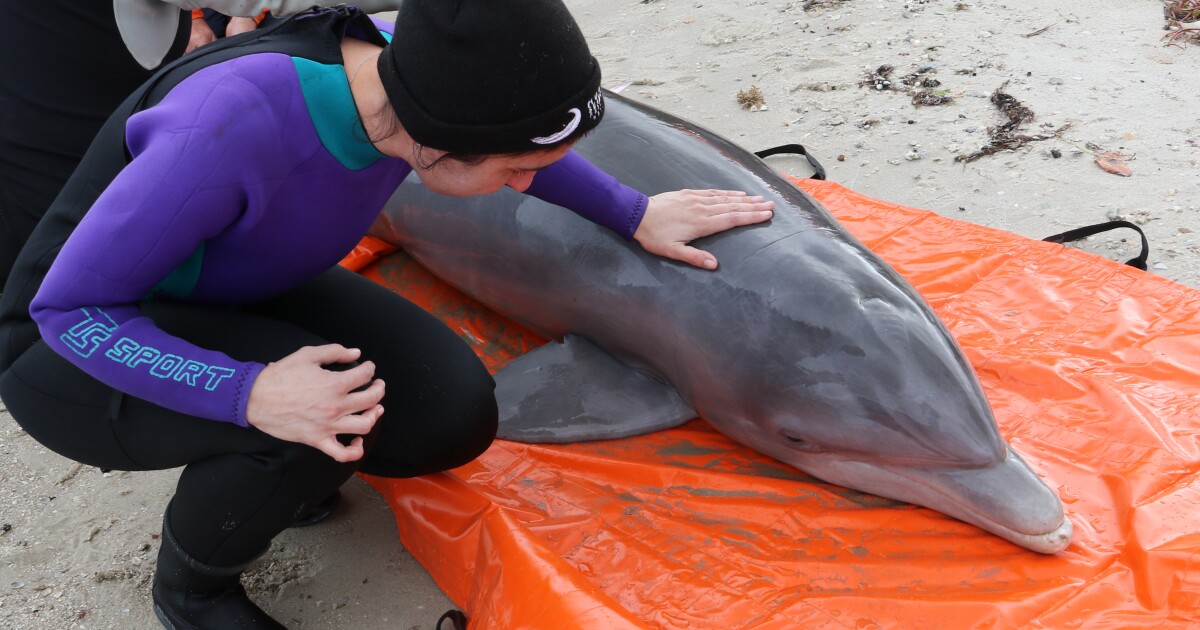
A new study found that bottlenose dolphins stranded in Florida’s Indian River Lagoon show Alzheimer’s disease-like brain changes—after prolonged exposure to toxic blue-green algae blooms. This isn’t just bad news for dolphins; it’s a terrifying red flag for human health. These neurotoxins can become airborne and we’re breathing them in.
최근 연구에 따르면 플로리다 인디언 리버 라군에서 폐사한 흰머리돌고래들이 독성 청색 미세조류 번식에 장기간 노출된 후 알츠하이머병 유사 뇌 변화를 보였다. 이것은 단지 돌고래에게만 안 좋은 소식이 아니라, 인간 건강에 대한 소름 끼치는 경고 신호다. 이러한 신경독소는 공기 중으로 퍼져 우리가 숨 쉬는 공기 속으로 들어온다.
The kicker? Dolphins are considered ‘sentinel species’—they’re like early-warning systems for ecosystems. If they’re getting brain damage from algae toxins, who’s next? Us? The study links the toxin BMAA to the same protein misfolding seen in humans with Alzheimer’s. I’m dusting off my air purifier right now.
가장 충격적인 점은? 돌고래는 '경계 종'으로 간주된다. 이들은 생태계의 조기 경고장치같은 존재다. 만약 그들조차 미세조류 독소로 뇌 손상을 입는다면, 다음 차례는 누구인가? 우리인가? 이 연구는 BMAA라는 독소가 인간 알츠하이머 환자에서 나타나는 단백질 오접힘과 연결됨을 밝혔다. 나는 지금 당장 공기청정기 필터를 갈고 있다.
BMAA가 신경독성을 가진다는 사실은 수십 년 전부터 알고 있었다. 진짜 충격적인 건 돌고래가 뇌 변화를 겪었다는 사실이 아니라, 우리가 여전히 영양물질 유출을 통제하지 못한 채 하천으로 흘려보내고 있다는 점이다. 이것은 1975년이 아니라 2025년이다. 우리 농업 정책이 말 그대로 이웃을 독살하고 있다.
매여름 라군 근처를 걷고 나면 나의 뇌세포가 서서히 사라지고 있다는 기분이 들어. 습도 때문인 줄 알았다. 혹시 전부 그 미세조류 때문이었을까?
이걸 고치는 건 로켓 과학이 아니다. 비료 유출을 규제하고 습지 복원에 자금을 지원하며 청정수역법을 시행하면 된다. 하지만 정치적 의지가 없다면 아무것도 할 수 없다. 그런데 지금 그건 깨끗한 물보다 더 귀하다.
상관관계가 과학적 인과관계는 아니다. 돌고래는 따뜻하고 오염된 물에 산다. 뇌 변화가 미세조류와 관련 없다면? 한 연구 결과만으로 공황 상태에 빠지지 말자.
의심 많은 분께: 네, 더 많은 연구가 필요합니다. 하지만 돌고래와 인간의 단백질 오접힘 패턴이 거의 동일하다는 점은? 단순한 상관관계를 넘어 소리치는 빨간 깃발이다. 이걸 무시하면 우리가 위험에 처한다.
나는 지난 40년간 그 라군이 변화하는 걸 지켜봤다. 물은 예전엔 너무 깨끗해서 선착장에서 물고기를 볼 수 있었다. 지금은 완전 잔디국이다. 돌고래들은? 느리고 병들어 보인다. 이 연구는 우리가 지금까지 뭘 호흡해왔는지 확인시켜 주었다.
좋아요. 하지만 우리는 예전에도 환경 파괴를 되돌린 적이 있다. 오존층을 생각해보라. 지금 우리는 빗물 유출을 걸러낼 수 있는 녹색 인프라—바이오스와일, 레인가든—을 설계할 수 있다. 비관은 라군을 깨끗하게 만들지 못한다. 해결책이 해낸다.