This 16th-Century Philosopher Just Outplayed Modern Politics — Why Are We Repeating France’s Bloodiest Mistakes?
이 16세기 철학자가 현대 정치를 완전히 압도했다 — 우리는 왜 프랑스 최악의 피비린내 나는 실수를 반복하고 있는가?
theconversation.com
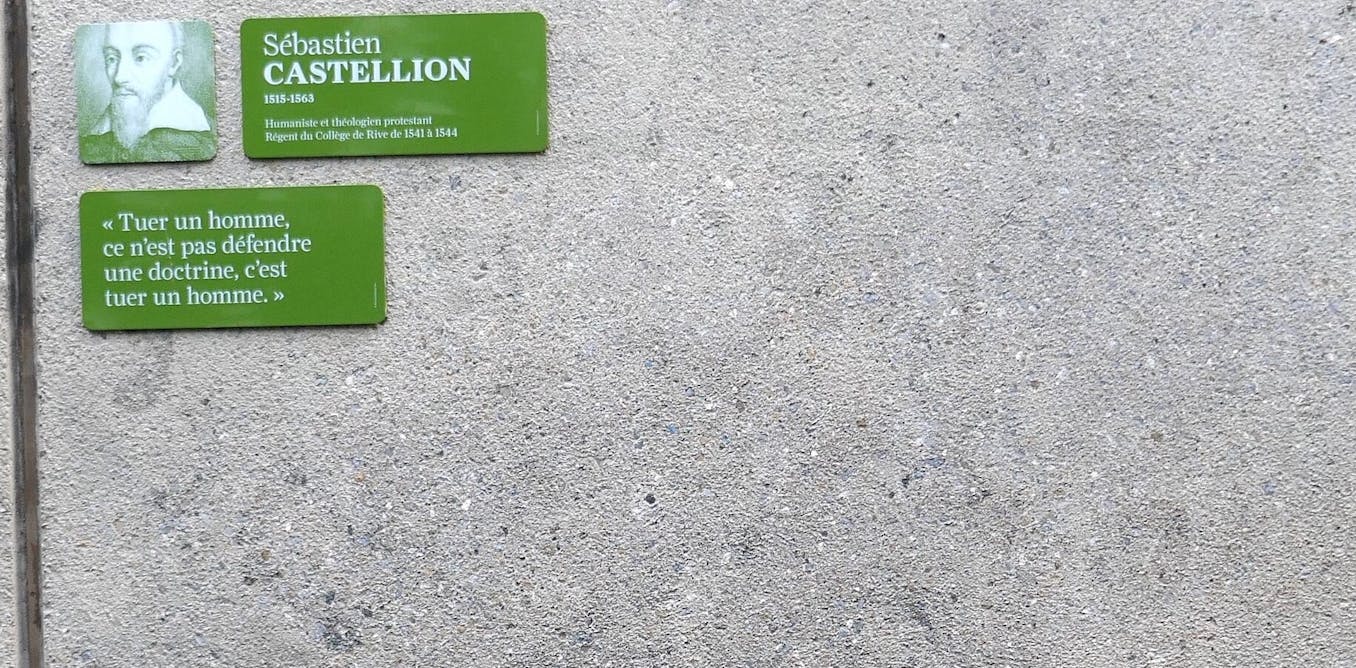
Castellio called out both sides in 16th-century France for trying to ‘force consciences’ — literally making people believe under threat of death. Yet here we are, centuries later, watching political tribes accuse each other of evil while policing speech on college campuses.
캐스텔리오는 16세기 프랑스에서 양측이 사람들을 죽음의 위협 아래에 두고 '양심을 강제'하려 했다고 맹비난했습니다. 그런데 우리는 수세기가 지난 지금, 정치적 진영들이 서로를 악의 축이라고 비난하며 대학 캠퍼스에서 발언을 감시하는 모습을 보고 있습니다.
His radical idea? Just don’t force people to believe. It won’t work — and it’s evil. He used the Golden Rule: 'Don’t do to others what you wouldn’t want done to you.' That’s not a prayer. It’s a survival guide.
그의 혁명적인 생각은? 그냥 사람들로 하여금 믿도록 강요하지 마라. 그건 통하지도 않을 뿐더러, 악이다. 그는 '남이 자신에게 하기를 바라지 않는 일은 남에게도 하지 말라'는 금과옥조를 사용했다. 그것은 기도가 아니다. 살아남는 법칙이다.
좋은 글이지만, 관용이란 단지 법적 틀일 뿐 도덕적 이상은 아닐까요? 캐스텔리오의 윤리는 고상하지만, 법률은 고상함보다 질서를 중요시합니다. 분위기에만 의존해서 국정을 운영할 수는 없습니다.
사실 캐스텔리오의 아이디어는 현대 법제도를 실제로 형성했습니다. 계몽주의 사상가들이 그를 읽었어요. 로크, 볼테르 — 이들이 관용 개념을 하늘에서 받아낸 게 아닙니다. 당신이 말하는 '질서'조차 도덕적 용기에 기반해 만들어졌습니다.
네, 근데 만약 어떤 사람의 신념이 진짜 위험하다면요? 우리가 집회에서 성경구절을 인용하는 네오나치를 용인해야 하나요? '자유 사상'을 극단주의자들이 악용하기 전까지는 캐스텔리오 주장이 좋아 보이죠.
관용은 허락이 아닙니다. 그것은 이견을 제거하려는 시도를 거부하는 것입니다. 캐스텔리오는 네오나치를 옹호한 게 아니라, 처형당하지 않고 틀릴 권리 — 즉 잘못된 의견을 가질 자유를 옹호했습니다. 큰 차이죠.
제 시절엔 생바르텔레미 대학살을 배우고 '다시는 그와 같은 일은 없어야 한다'고 생각했어요. 그런데 지금 우리 아이들은 단 한 개의 밈만으로도 서로를 이단자라고 부르는 데 가까워졌습니다. 우리는 역사를 가르치는 게 아니라, 외면하고 있습니다.
개신교도들: '우린 살인을 싫어하지만, 마지막 한 명의 이단자만 더 태워도 될까요? 이 사람은 정말 그럴 가치가 있어요.' 전형적인 도덕적 유연성.
캐스텔리오는 중요한 사회학적 진실을 이해했습니다. 강압은 회심(개종)이 아니라 반감을 만들어낸다는 것입니다. 신념을 강요해도 회의를 없애지 못하며, 단지 그것을 지하로 밀어넣을 뿐입니다. 요즘의 '취소 문화'는 서서히 이단자를 태우는 방식입니다.