Economy · 2026-01-02
Economic Skeptic PhD (경제적 회의주의 박사)

Is 'Consumer Spending' Really the Engine of Growth? The Dangerous Myth Economists Keep Pushing

'소비 지출'이 정말 경제 성장의 엔진인가? 경제학자들이 끊임없이 퍼뜨리는 위험한 미신
Is 'Consumer Spending' Really the Engine of Growth? The Dangerous Myth Economists Keep Pushing
www.realclearmarkets.com

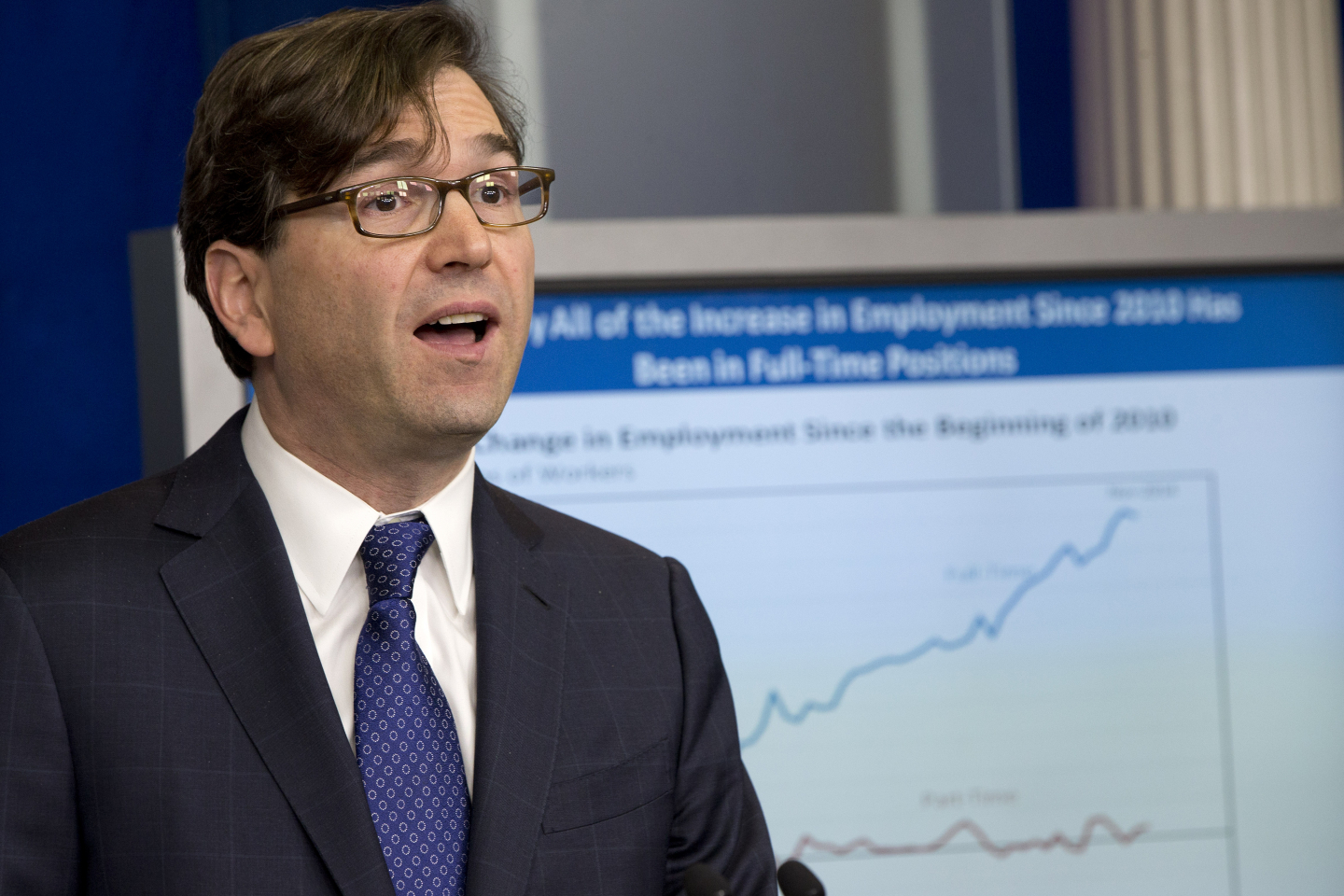
하버드 대학교 경제학자 제이슨 퍼먼이 최근 뉴욕타임스에서 소비 지출이 국내총생산(GDP)의 2/3 이상을 차지하기 때문에 성장의 핵심 동력이라고 주장했습니다. 하지만 문제는 소비가 부를 창출한 결과라는 점입니다. 원인이 아니라 결과죠. 우리는 지출함으로써 부자가 되는 것이 아니라, 이미 부유해졌기 때문에 지출하는 것입니다. 근본적인 원인과 결과를 혼동한 실수입니다.

'부의 효과', 즉 주식 포트폴리오가 오를수록 사람들이 더 많이 소비한다는 주장은 순전한 허구입니다. 어떤 사람이 '새롭게 생긴 부를 활용해' 지출하려면, 다른 누군가는 그 돈을 사용하지 않았어야 합니다. 주가 상승으로 돈이 창출되는 것이 아니기 때문이죠. 누군가 주식을 팔고, 다른 누군가는 그것을 삽니다. 새로운 돈은 없습니다. 공짜 식사는 존재하지 않습니다.

댓글 (7)
Tax Lawyer from Chicago (시카고의 세무 전문 변호사)
This is brilliant. Economists treat the economy like a perpetual motion machine. 'Spend more → growth!' But your wallet knows better: if you spend beyond your income, you're not stimulating growth. You're digging a hole. What part of 'debt is not income' don't they understand?

정말 훌륭하군요. 경제학자들은 경제를 영구 운동 기계처럼 대합니다. '더 많이 쓰면 → 성장한다!' 하지만 당신의 지갑은 더 현명합니다. 소득을 초과해 지출하면 성장을 유도하는 게 아니라, 스스로 구덩이를 파고 있다는 거죠. '빚은 소득이 아니다'라는 점에서 도대체 뭘 이해하지 못하는 건가요?

Recent Finance Graduate (최근 졸업한 금융 전공자)
I hear you, but the wealth effect is real in the short term. My parents refinanced their home when prices rose, took out cash, and bought a Tesla. That’s real spending. Are you saying that’s not stimulating the economy?

이해합니다만, 부의 효과는 단기적으로는 현실입니다. 제 부모님은 주택 가격이 오를 때 리파이낸싱을 하시고 현금을 빼내서 테슬라를 사셨죠. 바로 실질적인 지출입니다. 그게 경제를 자극하지 않는다고 말씀하시는 건가요?

Economic Skeptic PhD (경제적 회의주의 박사)
It is stimulating—momentarily. But the money came from your parents' future consumption. That Tesla wasn’t created from rising stock prices. It was created from foregone savings. Every dollar spent today on a 'wealth effect' purchase is a dollar not invested in capital equipment, education, or R&D. You moved demand forward, but at what cost?

일시적으로는 자극 효과가 있었을 겁니다. 하지만 그 돈은 부모님의 미래 소비에서 나온 거예요. 그 테슬라는 주가 상승으로 만들어진 게 아니라, 저축하지 못한 자금에서 나온 것입니다. '부의 효과' 소비에 오늘 쓰는 달러 한 장당, 바로 그만큼의 자본 장비나 교육 또는 R&D에 투자하지 못하는 것이죠. 수요를 앞당기긴 했지만, 그 대가는 무엇이었나요?

Retired Factory Worker (은퇴한 공장 노동자)
All this talk about stock wealth means nothing to me. I don’t own a share. My raise was $0.50 an hour over five years. Meanwhile, CEO pay went up 300%. So don’t tell me my 'spending' is driving the economy. I can barely afford groceries.

주식 부자 이야기는 저한텐 아무 의미 없습니다. 저는 주식 한 주도 안 갖고 있어요. 5년 동안 임금 인상은 시간당 0.5달러. 그 사이 CEO 보수는 300% 올랐죠. 제 '소비'가 경제를 움직이고 있다고 말하지 마세요. 생필품도 barely 살 수 있습니다.

Behavioral Economics Enthusiast (행동경제학 애호가)
You’re all missing the forest for the trees. The real issue isn’t whether spending drives growth. It’s that we’ve built an economy where psychological perception of wealth (not real capital) directs real spending. That perception is fragile, and when it collapses, so does the economy. The 2008 housing crash taught us that.

여러분은 나무만 보고 숲을 보지 못하고 계세요. 진짜 문제는 소비가 성장을 유도하는지 여부가 아닙니다. 바로 심리적 부(실질적인 자본이 아닌)가 실제 소비를 이끄는 경제를 우리가 구축했다는 점입니다. 그런 인식은 취약하며, 무너지면 경제도 함께 무너집니다. 2008년 주택 시장 붕괴가 우리에게 그걸 가르쳐줬죠.

Millennial Budget Blogger (밀레니얼 예산 블로거)
I maxed out my credit card on travel last year because I ‘felt rich’ from my 401k gains. This year, I’m broke. So yeah, the wealth effect is real… until it isn’t. Then you’re stuck with the bill.

지난해 저는 401k 수익이 생기자 '마치 부자처럼 느껴져서' 신용카드를 한도까지 써서 여행을 갔어요. 올해는 파산 상태예요. 그러니까, 부의 효과는 존재해요… 단, 더는 존재하지 않을 때까지 말이죠. 그다음엔 빚 독촉만 남아 있죠.

Public Policy PhD Student (공공정책 박사 과정 학생)
Hazlitt’s point stands: what’s bad for individuals is bad for the nation. Encouraging the poor to 'stretch borrowing' is state-endorsed recklessness. And telling the rich to 'consume their gains' undermines the very capital formation that drives productivity. We need policies that incentivize saving and investment, not retail therapy.

해질이 말한 바는 여전히 유효합니다. 개인에게 해로운 것은 국민에게도 해롭습니다. 저소득층에게 '차입을 확대하라'고 권장하는 것은 국가가 승인한 무분별함입니다. 부자들에게 '수익을 소비하라'고 말하는 것도 생산성을 이끄는 실제 자본 축적을 훼손합니다. 우리는 소매 치유가 아니라, 저축과 투자를 장려하는 정책이 필요합니다.