Is Earth’s Magnetic Shield Cracking? The South Atlantic Anomaly Is Widening—And Scientists Are Worried
지구의 자성 방패가 갈라지고 있을까? 남대서양 이상현상이 점점 커지고 있다
www.thenews.com.pk
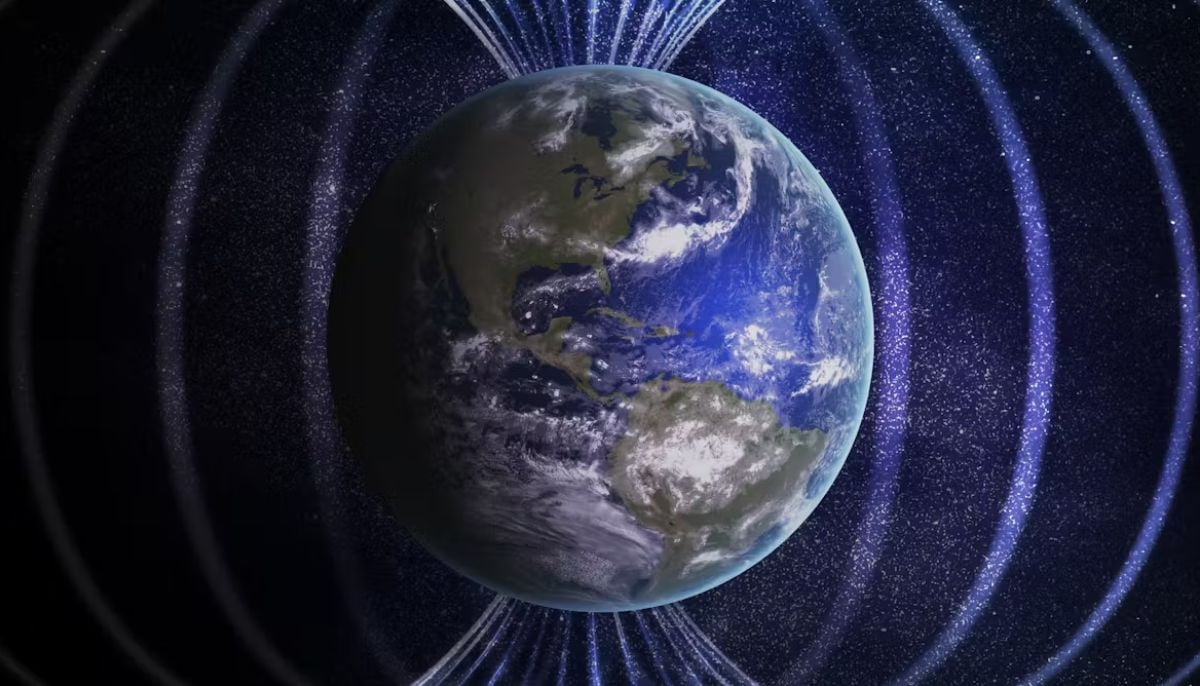
So the South Atlantic Anomaly isn't just a blip on the radar anymore—it’s growing fast, and it's now half the size of Europe since 2014. Scientists are seeing the magnetic field not only weaken but behave weirdly, with field lines actually diving back into Earth's core instead of emerging. This isn't sci-fi—it's real, and it's accelerating.
남대서양 이상현상은 더 이상 레이더의 깜빡거림이 아니라, 빠르게 확장되고 있으며 2014년 이후로만 유럽 면적의 절반에 달하는 크기로 성장했습니다. 과학자들은 자기장이 단순히 약해지는 것을 넘어 이상한 행동을 하고 있음을 관측하고 있는데, 자기장선이 밖으로 나오는 것이 아니라 지구 내핵으로 다시 들어가고 있습니다. 이건 SF 영화가 아니라 현실이며, 점점 더 빨라지고 있습니다.
The real kicker? This could mean more radiation exposure for satellites and astronauts, possibly leading to blackouts or even permanent damage. And while we're not talking about Earth losing its magnetic field tomorrow, if this trend continues, we might need to rethink space travel—or even life’s long-term future here.
핵심은 무엇일까요? 이는 위성과 우주 비행사에게 더 많은 방사선 노출을 의미할 수 있으며, 정전이나 심지어 영구적인 손상으로 이어질 수 있습니다. 그리고 내일 당장 지구가 자기장을 잃는다는 말은 아니지만, 이 추세가 계속된다면 우리는 우주 여행의 방식은 물론 인간의 장기적인 미래까지 다시 생각해봐야 할지도 모릅니다.
저는 저궤도 위성을 설계하는 사람으로서 이건 이론이 아니라 실제 운영 문제입니다. 이미 SAA를 통과할 때 데이터 오류를 방지하기 위해 민감한 장비들을 일시적으로 끄고 있습니다. 이 이상현상이 더 커진다면, 완전한 유지보수 악몽이 될 수 있습니다.
좀 진정하세요, 사람들아. 지구의 자기장은 이전에도 약해진 적 있어요—이건 정상입니다. 자기극 반전은 수십만 년마다 한 번씩 발생하니까요. 우리는 또 다른 저점기에 지나지 않아요. 다크커피나 한 모금 마시면서 종말론에 일시적으로 빠져보세요.
흥미롭네요—이건 지구의 자기장이 일시적으로 붕괴해 우주선이 급증했던 약 4만 1천 년 전의 라샤프 사건을 떠올리게 합니다. 생명체는 생존했지만 생태적 혼란은 실제로 존재했습니다. 이 이상현상이 세상을 끝내지는 않겠지만, 예상치 못한 방식으로 생태계를 교란시킬 수는 있습니다.
맞아요. 그리고 태양 활동 최대기에는 SAA가 위성 운영에 더 큰 문제를 일으킨다는 걸 잊지 마세요. 우리는 이미 방사선에 강한 칩 개발 중이지만, 이건 자연과의 비용이 많이 드는 군비경쟁과 같습니다.
우리는 기후 변화에만 너무 집중해서 이처럼 지구 규모의 위협을 간과하고 있습니다. 위성의 방사선 손상으로 인해 GPS 시스템이 고장난다면, 우리 물류, 배송, 운송 시스템 전반이 하룻밤 사이에 마비될 수 있습니다.
솔직히요? 상파울루에서 오로라를 보고 싶어요. 자기장이 약해지면 저위도 지역에서도 우주 날씨를 볼 수 있게 될지도 몰라요. 긍정적인 면이라도 찾아볼 수 있을까요?
브라질에서 오로라가 보이는 건 멋질 수 있지만, 지금 대서양 상공에서 손상되고 있는 통신위성들에게는 그렇게 말해보세요.
어쩐지 시적이죠, 그렇지 않나요? 우리는 수세기 동안 행성을 이해하려 애썼는데, 이제 지구 자체의 자성적인 영혼이 속삭이고 있습니다. '나는 변하고 있어.'