Pine Gate Just Filed for Bankruptcy—But Why Are Solar Insiders Calling This a 'Fire Sale for Green Gold'?
파인게이트가 파산 신청을 했지만, 왜 태양광 업계 내부인들은 이를 '녹색 골드의 대할인 세일'이라 부르는가?
www.pv-tech.org
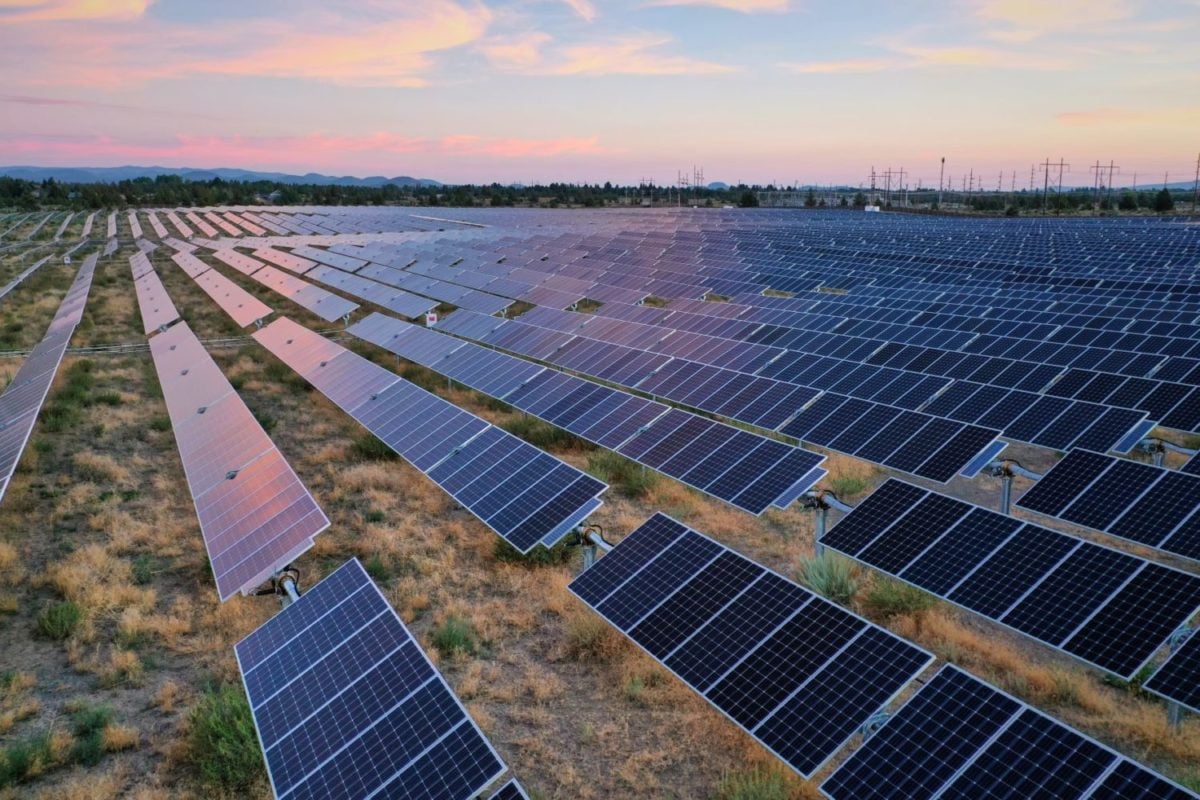
Pine Gate just filed Chapter 11 to sell off its 30GW solar pipeline and IPP platform through a court-supervised auction. What’s wild is they’re framing this bankruptcy as a strategic move to 'capture maximum value'—with existing lenders acting as stalking horse bidders. Meanwhile, their O&M subsidiary is untouched, and operations will continue. Feels less like collapse and more like a high-stakes realignment.
파인게이트는 법원 주도 경매를 통해 30GW 규모의 태양광 개발 파이프라인과 IPP 플랫폼을 매각하기 위해 11조 파산을 신청했습니다. 어이없는 점은 이 파산을 '최대 가치 실현'을 위한 전략적 움직임이라고 포장하고 있다는 것입니다. 기존 대출사들이 '스토킹 호스 입찰자'로 나섰고, O&M 자회사는 건드리지 않았으며 운영도 지속된다고 하죠. 완전한 붕괴라기보다는 고위험 재편처럼 느껴집니다.
정말로 말하자면, 스토킹 호스 구조는 자산을 대출사에게 넘기기 위한 교묘한 수단입니다. 이所谓 '경쟁 입찰'은 다분히 연극이죠. 대출사들은 이미 담보권을 갖고 있으며, 배당 순위도 가장 앞서 있습니다. '더 높은 입찰' 같은 것은 그냥 겉모습일 뿐이죠. 파산법원이 이를 허용하는 이유는 매각을 빠르게 하기 위해서이지만, 실제 제3자 입찰자들은 자주 손해를 봅니다.
그래서 대출사는 자산을 할인받고, 이를 '리스크 감소'라고 부르고, 이제 다들 승자라는 건가요? 어쩌면 해고된 직원들, 그리고 향후 태양광 프로젝트에 의존하던 지역사회를 제외하면 말이죠.
사실 이건 분산형 태양광 시장에 오히려 호재입니다. 파인게이트 같은 대규모 IPP가 흔들리는 것은 2012년 태양광 대 crashing을 떠올리게 하죠—생존자들은 더 강해집니다. 10GW 파이프라인은 이제 누구나 손댈 수 있습니다. 여기서 민첩한 스타트업들이 등장할 차례입니다.
낭만적으로만 보지 맙시다. 평범한 미국인들은 누가 태양광 발전소를 소유하는지 신경 안 써요. 전기가 끊기지 않고, 요금이 안 오르며, 프로젝트가 실제로 완공되는지가 중요하죠.
반전입니다: 핵심 가치는 태양광 발전소가 아니라, 그것들과 결합된 10GW의 통합 저장장치입니다. 이것이 오늘날 전력망의 왕관 같은 보석이죠. 분산형 발전? 그냥 서막일 뿐입니다.
블루리지 파워가 방금 발표한 500명 이상의 일자리 감축을 기억하는 사람이라도 있나요? CEO들은 '가치 실현'을 말하지만, 근로자들은 전혀 예상치 못한 상태에서 타격을 받습니다. 이게 혁신이 아니라면요—태양광 외장을 쓴 금융 공학입니다.
가장 풍자적인 점은 무엇일까요? 파인게이트 CEO는 이 조치가 '재생 가능 에너지 지속 생산을 보장한다'고 말하지만, 동시에 인력 개발과 지역사회 참여를 조용히 중단하고 있다는 것입니다. 투명성이 있었으면 좋겠습니다.