Was the ‘Hobbit’ Human Doomed by Climate Change and Competition? New Theory Points to Drought as the Silent Killer
기후 변화와 경쟁에 의해 멸종한 ‘호빗’ 인류? 새로운 연구가 가뭄을 치명적인 원인으로 지목하다
www.livescience.com
So the 'Hobbit' humans — Homo floresiensis — might not have gone extinct because they were 'primitive,' but because the grasslands dried up and their dinner went extinct first. How poetic. Nature doesn't care how clever you are if your food chain collapses.
'호빗' 인류인 호모 플로레시엔시스가 멸종한 이유는 '야생적'이어서가 아니라, 초원이 메마르고 그들의 저녁 식사감이 먼저 멸종했기 때문일지도 모릅니다. 얼마나 시적인가요. 먹이 사슬이 무너지면 자연은 당신이 얼마나 똑똑한지 따지지 않습니다.
The real kicker? They may have been pushed to the edge not just by drought, but by the arrival of modern humans. We’ve seen this movie before: smarter, more adaptable humans show up, and the locals disappear. Sound familiar?
정말 충격적인 점은 무엇일까요? 가뭄뿐 아니라 현생 인류의 등장으로 인해 멀미가 났을 수 있다는 사실입니다. 우리는 이런 영화를 이미 봤습니다. 더 똑똑하고 유연한 인류가 등장하고, 원주민들은 사라집니다. 어디서 들어본 이야기 같지 않나요?
잠깐만요. 가뭄 하나로 종이 멸종했다고요? 설마요. 짧은 가뭄만으로도 인류가 멸종했다면 우리는 빙하기를 견뎌내지도 못했을 겁니다. 그냥 이야기를 만들려고 기후 탓을 하는 것 아니에요?
가뭄이란 '조금 덥고 건조한 여름'이 아닙니다. 열대 섬에서는 몬순 패턴의 미세한 변화조차 전체 생태계를 붕괴시킬 수 있습니다. 게다가 우리는 대형동물의 붕괴와 인간 사이의 경쟁에 대해 이야기하고 있습니다. 단일 원인이 아니라 연쇄적 붕괴입니다.
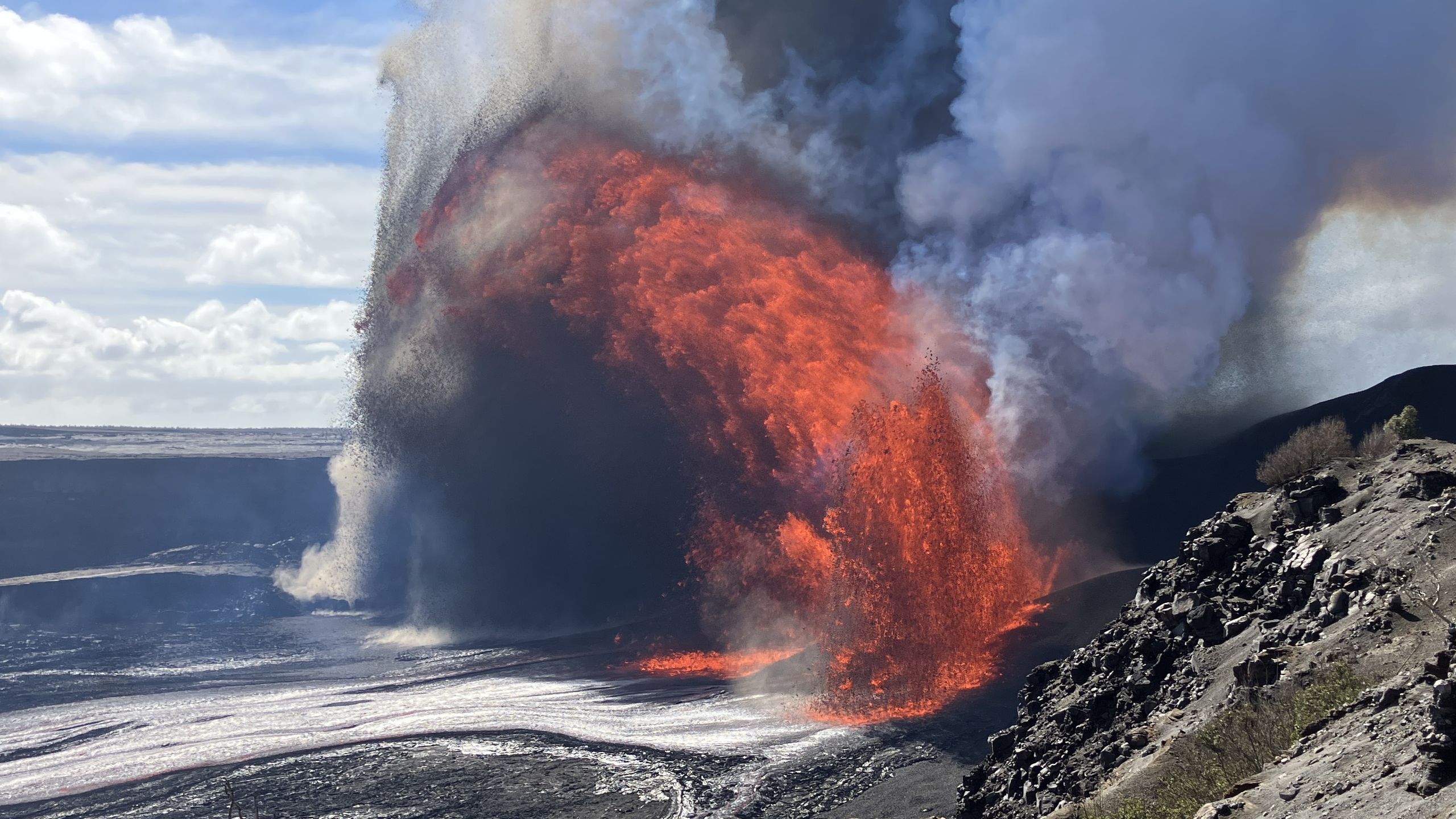
언급된 화산 폭발을 무시하지 맙시다. 그 동굴 유적지 말이에요? 활화산에 둘러싸여 있습니다. 화산재 층은 거짓말하지 않습니다. 큰 폭발 하나만 일어나도, 폭—며칠 만에 전체 서식지가 날아갔을 거예요.
솔직히, 이건 비극적 세계관의 정수예요. 뇌는 작았지만 마음은 컸던 종이 10만 년간 고립되어 생존하다가 세상이 변하자 무너졌습니다. 기후 과학자들이 쓴 톨킨의 이야기 같아요.
사람들이 놓치는 점은 이것입니다. 호모 플로레시엔시스는 ‘작아지기 위해’ 진화한 것이 아니라, 자원이 제한된 섬에서 생존하기 위해 진화한 것입니다. 이를 섬 왜소화 현상이라고 부릅니다. 그 서식처가 사라지면 그들도 사라집니다.
이 이야기는 충격입니다. 우리는 가뭄을 유발하고 있으며, 종들을 더 좁은 지역으로 밀어넣고, 또 그들의 서식지를 침범하고 있습니다. 우리가 변하지 않는다면, 호모 플로레시엔시스는 5만 년 후의 우리일지도 모릅니다.
맞아요. 기억하세요—진화는 복잡성에 보상을 주는 게 아니라, 적응에 보상합니다. 우리는 정점이 아니라, 단지 가장 최근의 생존자일 뿐입니다.
가장 충격적인 점은 무엇일까요? 우리는 그들과 만나지도 못했을지 모릅니다. 한 종 전체의 인류가 조용히 사라졌습니다. 바람 속의 속삭임처럼요. 우리가 알게 된 건, 단지 누군가 동굴에서 넘어졌기 때문입니다.