Sun's Poles Finally Revealed: Is the Solar Magnetic Cycle About to Be Rewritten?
드디어 드러난 태양의 극지방: 태양 자기주기가 곧 다시 쓰여질 수 있을까?
www.iflscience.com
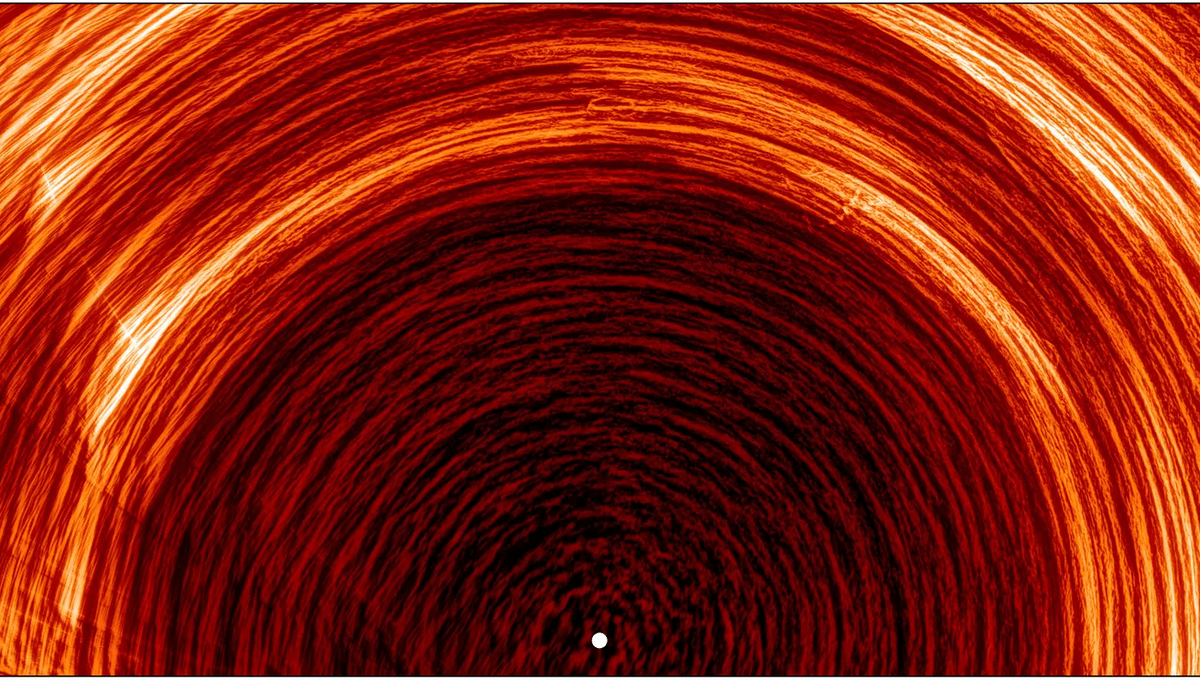
For the first time ever, we’re seeing the Sun’s poles directly—and what we’re seeing is blowing up decades of solar assumptions. The ESA’s Solar Orbiter tilted its orbit like a cosmic Instagrammer angling for a better selfie, and suddenly, we’re getting unprecedented views of the magnetic circulation at the poles.
역사상 처음으로, 우리는 태양의 극지방을 정면에서 보고 있다. 그런데 우리가 보는 것은 수십 년간의 태양 이론을 날려버릴 수준이다. ESA의 솔라 오비터는 마치 우주급 인스타그래머가 더 나은 셀피를 찍기 위해 카메라 각도를 바꾸듯 궤도를 기울였고, 갑자기 태양 극지방의 자기순환을 전무후무하게 관측하게 되었다.
The big surprise? The plasma flow at the poles is moving way faster than expected—10-20 meters per second, nearly as fast as at the equator. That challenges the old model of a slowed-down polar 'conveyor belt.' If confirmed, this could force a total rewrite of solar dynamo theory. Honestly, I didn’t expect the Sun to throw this curveball in 2024.
큰 놀라움은 무엇인가? 극지방의 플라즈마 흐름이 기대보다 훨씬 빠르다. 초당 10~20미터로, 극지방의 '컨베이어 벨트' 모델이 느리게 흐른다는 기존 주장과 충돌한다. 이것이 확인되면 태양 다이나모 이론 자체를 다시 써야 할 수도 있다. 솔직히 말해, 2024년에 태양이 이런 변화구를 던질 줄은 몰랐다.
슈퍼그라뉼이 추적자 역할을 하는 것은 게임체인저다. 우리는 수년간 간접적인 단서를 바탕으로 극지방으로 향하는 흐름을 모델링해왔지만, 이제 직접 움직임을 볼 수 있게 되었다. 이것은 단순한 점진적 발전이 아니라 점프다. 흐름 속도가 적도 수준에 거의 다다른다는 사실은, 우리가 태양 컨베이어 구조에 대해 줄곧 잘못 알고 있었음을 시사한다.
잠깐만요. 단 한 차례의 관측으로 패러다임 전환이 되는 건 아닙니다. 상관관계가 곧 인과관계는 아니고, 이 속도가 태양주기 전체에서 유지되는지도 모릅니다. 솔라 오비터를 천체물리학의 영웅으로 만들기 전에 좀 더 기다려 보죠.
저는 단지 이것이 태양 플레어에 영향을 미치는지, 더 중요하게는 지자기폭풍 때 인터넷이 또 끊기는지 알고 싶을 뿐입니다. 지난번엔 아이들이 사흘 동안 아무것도 스트리밍하지 못했어요.
정확히 그렇습니다. 우리는 '와우' 요소에만 너무 집중해서 통계적 유의미성을 간과하고 있습니다. 이것은 단지 이상치일 수도 있죠. 교과서를 다시 쓰기 전에 좀 더 많은 데이터를 기다려야 합니다.
우주 엄마님께: 솔직히 말해, 극지방의 흐름이 빠르면 태양주기가 짧아질 수 있고, 실제로 플레어 위험을 다소 줄일 수 있습니다. 하지만 동시에? 더 예측 불가능한 행동도 나타날 수 있죠. 그러니까, 라우터는 꼭 백업해두세요.
매우 흥미로운데, 여기서 공학적 성과도 인정해야 합니다. 태양 주위에서 우주선의 궤도를 기울이는 것은 쉬운 일이 아닙니다. 해당 팀은 지금까지 가장 복잡한 태양 궤도 조작 중 하나를 완벽히 수행했습니다. 제게는 이것이 진짜 이야기입니다.
모두 자기장에 대해 말하고 있지만, 이것이 우주기상 예측 모델에 영향을 미칠 수는 없을까요? 만약 그렇다면 위성 운용, GPS 정확도, 전력망까지 영향을 받습니다. 이것은 단순한 천문학이 아니라 인프라 안전의 문제입니다.
기후 관측자님께: 정확히 맞으셨습니다. 극지 데이터의 개선은 우주기상 예측을 직접적으로 향상시킬 것입니다. 우리는 이미 ESA의 우주기상 부서와 협력하여 이 결과를 통합하는 작업을 진행 중입니다.