They Went and Never Came Back: Why Is Britain Only Now Honoring These Forgotten African Soldiers?
「彼らは行って、もう戻らなかった」:なぜ英国は今になってようやく、忘れ去られたアフリカの兵士たちを称えるのか?
www.bbc.com
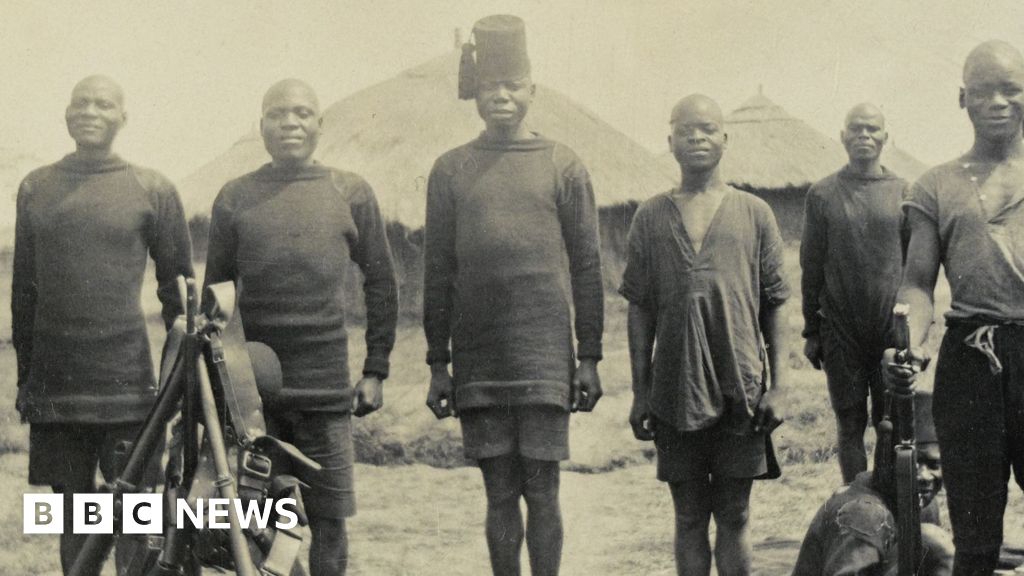
So Britain is finally digging up colonial war records and contacting descendants of African soldiers who vanished during the world wars. One cousin learned his uncle died in WWII after vanishing in 1943 — no one even notified the family. These men fought under the Union Jack, died in foreign lands, and were then erased from official memory.
英国がようやく、植民地時代の戦時記録を掘り起こし、世界大戦中に消息を絶ったアフリカ兵士の子孫と連絡を取り始めた。ある従兄弟は、1943年に忽然と姿を消した叔父が第二次世界大戦中に戦死していたことを知った——だが、その家族には誰も知らせがなかった。これらの男性たちはユニオンジャックの下で戦い、異国で命を落とし、その後、公式な記録から抹消されたのだ。
Let that sink in. These weren’t auxiliary workers — they were soldiers. And yet, for decades, their stories were treated like dust in the archives. Now, thanks to the Commonwealth War Graves Commission, names like Mutuku Ing'ati are being resurrected. But where’s the outrage? Where’s the public reckoning? This isn’t just history — it’s colonial amnesia at its most grotesque.
その重みを感じてほしい。彼らは補助作業員ではなく、正真正銘の兵士たちだった。だが何十年もの間、彼らの物語は資料室のほこりと同様に扱われていた。今、イギリス連邦戦没者慰霊委員会(CWGC)の努力により、ムトゥク・インガティのような名前がよみがえりつつある。だが、なぜ怒りがないのか?なぜ社会的清算がないのか?これは単なる歴史じゃない。植民地的記憶喪失が最も醜い形で露呈されたものだ。
これは単なる見落としじゃない。制度的な抹消なのだ。イギリス帝国は戦争を勝ち抜くために植民地の徴用兵を必要としたが、決して同等の称賛を与えるつもりなどなかった。ロンドンの戦争記念碑を見てほしい。そこに描かれているのは誰か?「英雄」は白人だった。アフリカ人は「現地部隊」——戦場では役立つが、歴史書では見えなくなる存在だった。
ああ、帝国が再び襲来した、今度は書類を持って。80年遅れて。「ごめん、叔父さんが死んだのも忘れてしまった——こんなリストに名前載せてあげるよ!」と。まさに画期的な和解だな。正義の厳かな太鼓の音が聞こえてきそうだ。
皮肉はわかるけど、私の祖父も第二次世界大戦中に消息を絶った。ただ存在し、戦ったという事実を知るだけで意味がある。私たちにはお参りできる墓さえなかった。この情報は、80年後でも、安らぎを与えてくれる。許しではない——でも、心の区切りにはなる。
私の生徒たちはこの歴史を知らない。チャーチルは知っているが、英国のために命を落としたケニア人のことは知らない。これらの記録は教科書に載るべきだ。脚注ではなく、中心的な章として。アフリカ人の勇気に教育課程は後付けのような扱いをしている。
今、80年前の植民地記録を掘り返して歴史を修正するのか?今の問題は?まずは国内の退役軍人の医療制度から直したほうがいいんじゃないか?
今日を直すことで、昨日を消せるわけではない。記憶に価値があるかどうかを選ぶ権利はない。これらの男たちは、自分たちを抹消した帝国のために流血したのだ。彼らを認めることは、ノスタルジーじゃない——修復だ。
こうした記録がそもそも残っていたこと自体が奇跡的だ。植民地支配国はよく破棄したものだった。それが英国ではなくケニアで見つかったことには、どこに真の記憶があるかが如実に表れている。