Is This 'Failed Star' the Key to Finding Another Earth? Subaru Telescope Just Found NASA’s Perfect Test Subject
「失敗した星」が地球外生命発見のカギに? スバル望遠鏡がNASAの夢の実験にうってつけの天体を発見
www.space.com
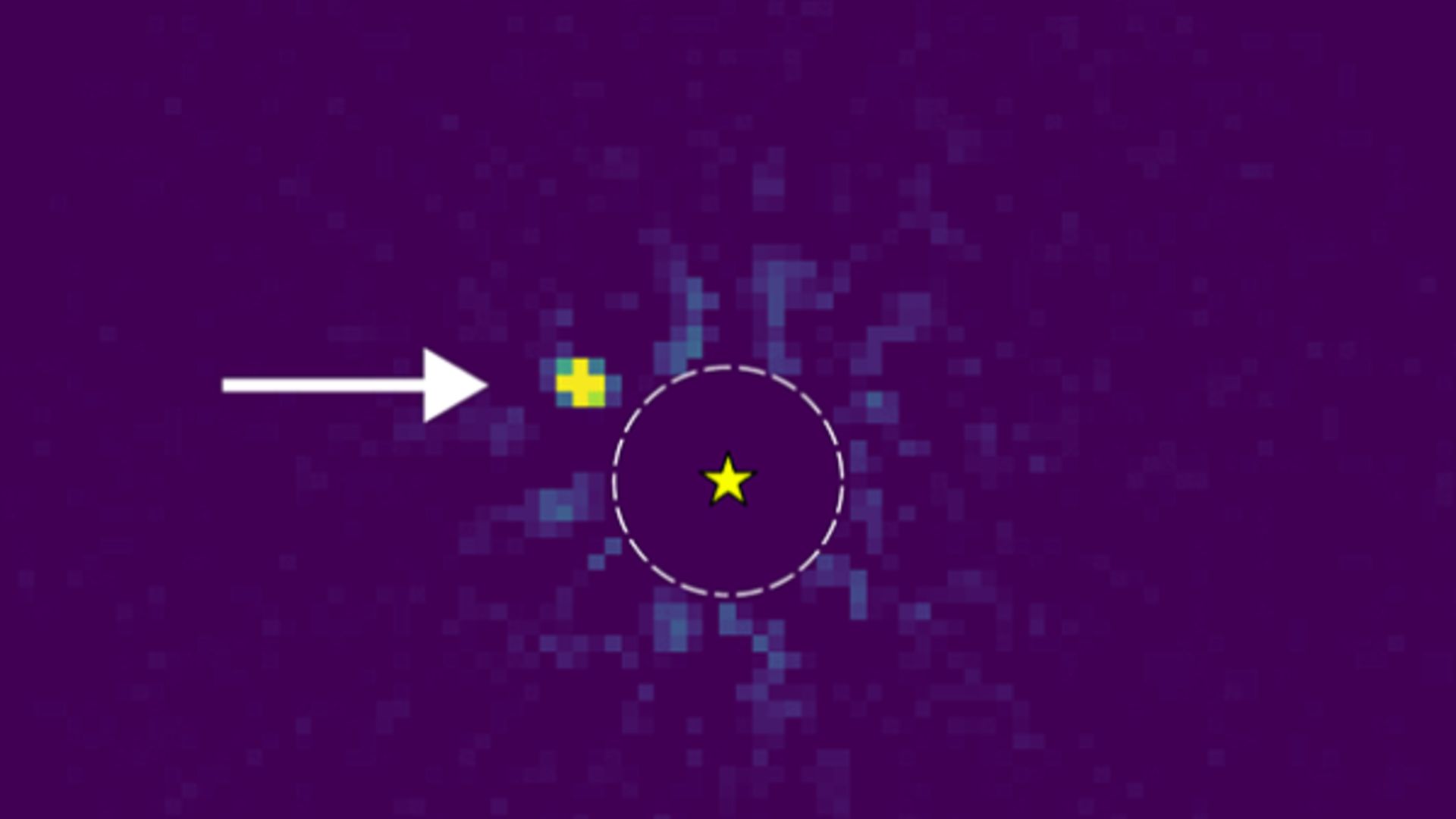
So NASA’s next-gen space telescope needs a very specific kind of cosmic 'target dummy' to test its planet-imaging tech—and wouldn’t you know it, a brown dwarf practically tailor-made for the job just showed up. How convenient. Almost like the universe read the mission requirements and said, 'Here, I’ve got just the thing.'
NASAの次世代宇宙望遠鏡は、惑星撮影技術のテストに非常に特定の『標的ダミー』が必要としている。すると、そのタスクにまさにぴったりなブラウンダガーが現れた。なんて都合がいいんだ。まるで宇宙がミッション要件を読み込んで、「ああ、ちょうどいいのがあるよ」とでも言ったようだ。
But seriously—this discovery is a big deal. Brown dwarfs straddle the line between planets and stars, making them perfect natural testbeds. And this one? It’s like NASA wrote a dating profile for a telescope target and the universe swiped right.
でも本当のところ、この発見はとても意義深い。ブラウンダガーは惑星と星の境目に位置し、自然の実験台としてぴったりだ。そしてこの天体は?まるでNASAが望遠鏡用ターゲットのマッチングアプリのプロフィールを書いて、宇宙が『いいね!』を押したようなものだ。
正確に言うと、『失敗した星』というのは大衆向け科学の誤った通称だ。ブラウンダガーは失敗したわけではなく、単に水素の核融合を維持するほど質量が足りないだけだ。複雑な大気、天候パターン、オーロラさえ持っている。『失敗』と呼ぶのは、その独自の物理現象に対する侮辱に近い。
まあまあ、『完璧な実験対象』を見つけたんだって。1950年代の原子力実験を思い出すよ。『心配ない、完全に安全だ』と言いながら、ガイガーカウンターをパーティーのおみやげのように配っていた時代ね。
宇宙の天体を『実験標的』や『ダミー』と見なす考え方は…どうにも植民地的な感覚がある。まるで人間の利用を待つ無限のラボのように宇宙を扱っているようだ。私たちの認識論的立場についても考えるべきではないだろうか?
ただ、まだ誰かが実際に空を観測しているのがうれしい。全部GPUでシミュレーションするばっかりじゃないってことだ。
『失敗』という表現が単純化しすぎていることに同意する。だがそれはすでに一般の会話に定着している。私の懸念はもっと深い:メディアの過剰な単純化が、資金の使い道に関する理解の精緻さを殺してしまうことだ。ローマン宇宙望遠鏡がやっているのは単に『惑星の写真を撮る』ことではない。波面制御やコロナグラフマスク、恒星光の抑圧をテストしているのだ。こうした重要な点が意味の通訳の過程で失われてしまう。
正直に言うと?ただ、イリート・ダンジャラスで使ってるパイロットの名前をあの恒星系に付けられるか知りたいだけなんだ。
おい、そんな名前詐欺サイトならもう今でも好きな名前にできるだろ。でも国際天文学連合が認めるとは思わないほうがいいぜ。
この一連の出来事はまるで、21世紀版のラプラスの悪魔のようだ。我々はすべてを予測できると信じていた。しかし今は、宇宙に完璧なテストケースを差し出してもらわなくてはならない。我々は神ではない。ただ、必死に知恵を使う猿にすぎないのだ。