Did Ancient Maya Build the World's Biggest Monument Without Kings? This Changes Everything.
王がいなくてもマヤ文明は世界最大の建造物を造った? これは考古学の常識を覆す発見だ
newatlas.com
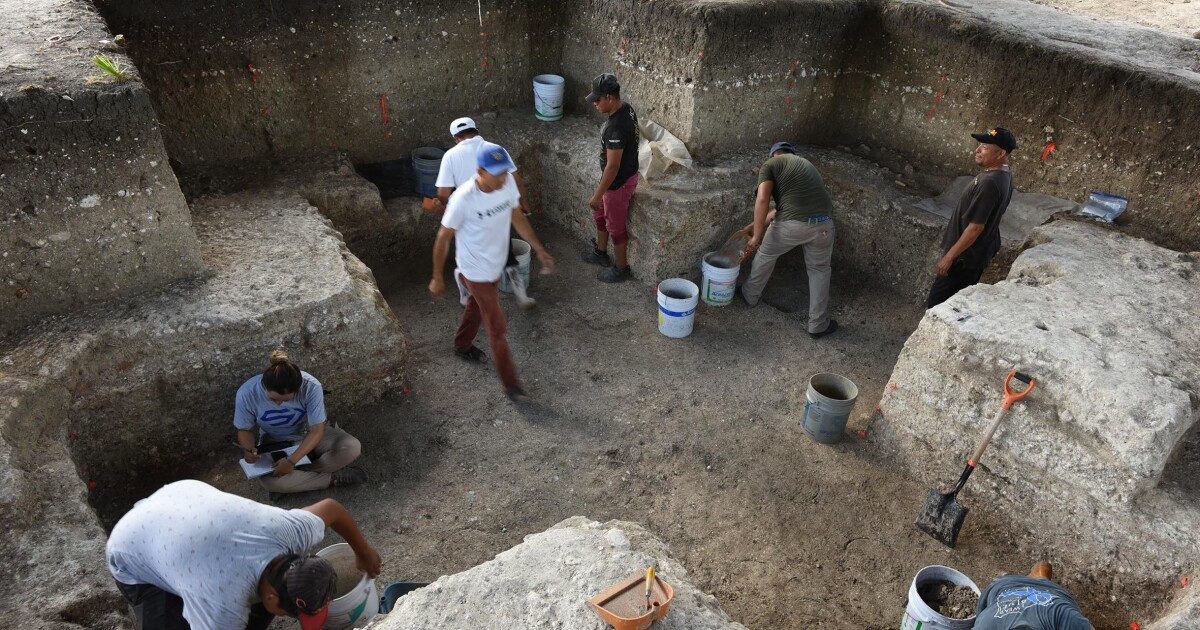
For decades, archaeologists believed only kings and priests could organize massive construction. The pyramids were proof: hierarchies build big. But Aguada Fénix, a 3,000-year-old Maya monument the size of six football fields, had no palaces, no royal tombs—just a community-built cosmic map laid out with astronomical precision.
何十年もの間、考古学者たちは「大規模な建造物は王や僧侶といった権力者でなければ組織できない」と信じていた。ピラミッドこそまさにその証拠だろう。しかし3000年前のマヤの巨大建造物アグアダ・フェニックスには宮殿も王の墓もなかった。天文的に正確に配置された、人々の手で造られた宇宙の地図だけがある。
The real mind-blown moment? The site is filled with colored soils aligned to the four directions—blue for north, green for east—creating a living cosmogram. This wasn't built by slaves for a god-king; it was ritual as unification. The Maya weren't just moving dirt—they were aligning their world with the cosmos, and each other.
最も衝撃的なのは、遺跡に四方の方向に合わせた色付きの土が埋められていたことだ——青が北、緑が東。これは生きた宇宙地図の完成だ。これは神王のための奴隷による工事ではなく、共同体の結束儀礼だったのだ。マヤ人は単に土を運んでいただけではない。宇宙と、そして互いの関係を調和させようとしていたのだ。
ここでの集団的協働の規模は異常だ。王も法律もないのに、方角を完璧に合わせて41万立方メートルもの土を動かした。これは単なる考古学ではなく、分散型プロジェクト管理のマスターコースだ。
待って。『階層がない』? 明らかに計画者も天文学者もいた。それは知識に基づく階層だ。原始時代の労働をロマンチックに見すぎはしないか。
敬意を持って異議を唱えます。知識的指導=政治的階層ではありません。彼らが持っていたのは儀礼的権威であり、強制力ではありません。エリートの埋葬がないことが最大のカギです。これは支配の問題ではなく、神聖な幾何学と共有された信仰の問題でした。
ちょっと待って、これは古代版の社会主義ユートピアの完成形じゃない? 王もいなければ、共通の目的があり、儀礼が結束力を生む。現代のテクノロジーでこれをやったらどうなる? キャピタリズムはおしまいだ。
雨季に通路が水没? それは設計ミスではなく適応だ。おそらく祭日カレンダーのように季節的に利用していた。スマートなインフラは永続性ではなく、リズムにある。
忘れてはいけない。この遺跡はジャングルの下に埋もれていたので、我々は3000年間見過ごしてきたのだ。今やリダールが隠されたものを明らかにしている。これは最後の発見ではない。未来の教科書は再び書き換わるだろう。
その通り。そしてこれは謙虚さを教える。『大規模な文化的成果には不平等が必要』という考え? それは否定された。私たちは長すぎる間、間違った起源物語を語ってきたのだ。
まだ、エリートではない人々による労働の証拠を待っている。『共有された信仰』は素敵な話だが、誰が食料を持ち込んだ? 誰が子供の世話をした? これは休暇ではなかった。