Dolphins Are Developing Alzheimer’s-Like Symptoms—And It Might Be the Algae in Our Water
イルカがアルツハイマーに似た症状を発症中――その原因は私たちの水にある藻かもしれない
www.wgcu.org
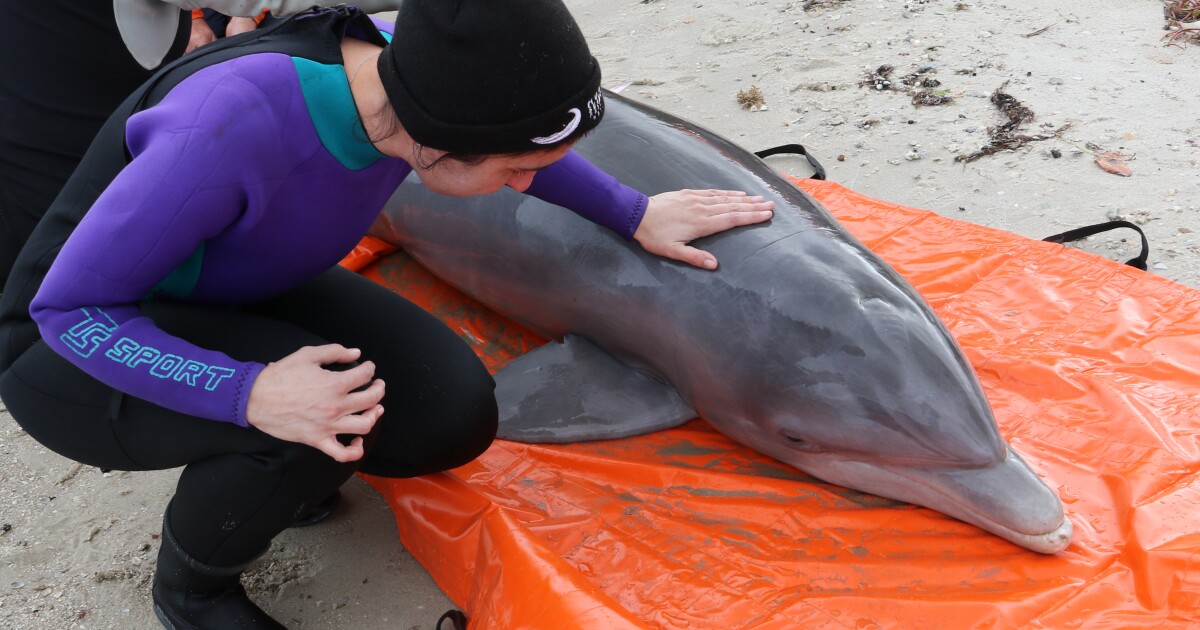
So dolphins—highly intelligent, long-lived mammals sharing neurological similarities with humans—are now showing Alzheimer’s disease signatures after chronic exposure to toxic algal blooms. Let that sink in. These aren’t lab rats engineered to mimic disease; they’re wild animals, acting as unintentional canaries in the coal mine for human neurological health.
つまり、非常に知能が高く、寿命が長く、人間と神経系が似ているイルカたちが、有毒な藻類の大量発生に慢性的にさらされた結果、アルツハイマー病に似た脳の変化を示し始めているのです。よく味わってみてください。これは病気を再現するために遺伝子操作されたラットではなく、人間の神経系の健康を知らせる、意図せぬ『カナリア』のような存在の野生動物です。
Blue-green algae—cyanobacteria—produce airborne neurotoxins we might be breathing in right now. And if dolphins are developing human-like brain damage, what does that mean for people living near lakes, reservoirs, or estuaries with recurring blooms? Maybe it’s not just their fate we should worry about.
青緑藻――シアノバクテリアは、私たちが今まさに呼吸している空気中に神経毒を飛散させます。そしてイルカが人間のような脳損傷を発症しているなら、頻繁に藻類が増える湖や貯水池、汽水域の近くに住む人々には、いったい何が起こるのでしょうか? 心配すべきは、もしかすると彼らの運命だけではないのかもしれません。
これはまさに『カナリア』が助けを叫んでいるのに、誰も耳を傾けていない状態です。BMAAやシアナ毒素に関する研究は数十年も前からあります。今、海洋哺乳類が人間と同じ神経病理を示している。規制当局は、有害藻類発生(HABs)からの空気中に浮遊する毒素を『環境的なわずらわしさ』ではなく、公衆衛生上の緊急事態として扱うべきです。
相関関係は因果関係ではない。毒性藻類が悪いのは確かです。しかし、「藻でイルカがアルツハイマーに」といった見出しに飛びつくのはやめましょう。用量反応のデータはどこにある?年齢や食事、他の汚染物質は調整したのか? これは刺激的だが、決定的ではない。
インディアンリバーラグーンで22年間働いた。豊かな生態系が有毒なスープに変わるのを見てきた。シロナガスクジラの座礁は数十年間記録してきた――今や科学がついに点と点を線でつなげた。これは新事実ではない。公式に認められた事実だ。
私は毎週末、子供たちをラグーンに連れて行っていました。なのに今、『湿地帯の空気』から脳へのダメージを心配しろって? いったい何が安全なんですか? 本当に恐ろしいです。
ここには巨大なチャンスがあります――AI搭載ドローンによる藻類大量発生のリアルタイム監視、地域社会向けのスマート警報システム、分散型浄水技術。政府が動かなければ、市場が動く。これは次の『きれいな空気』の瞬間です。
「懐疑的な科学者の父」が最も的確に言いました。相関関係は因果関係ではない。藻類は何百万年も前から存在しています。人間とイルカはこれまでうまく共存してきた。なぜ今なのか?
「懐疑的な市民」へ:がんも何百万年も前から存在しています。だからといって新しい疫学的兆候を無視するわけにはいきません。曝露量、発生頻度、そして農業由来の窒素流出により、今回の状況は前例のないものです。歴史に頼るのは防御にならない。
最も衝撃的なのは? このイルカたちは、タウタンパク質の凝集体とアミロイドベータ斑という、アルツハイマー病の特徴的な病理を示していることです。しかも、遺伝的にその傾向のない種でです。これはメカニズムの観点から見ると、非常に恐ろしいことです。