Queensland Doubles Down on Drones for Shark Spotting — But Keeps Killing Whales? Is This 'Progress' or Hypocrisy?
クイーンズランド州がサメ監視用ドローンを拡充――だが一方でクジラを殺し続ける? これは「進歩」なのか、それとも建前なのか?
www.theguardian.com
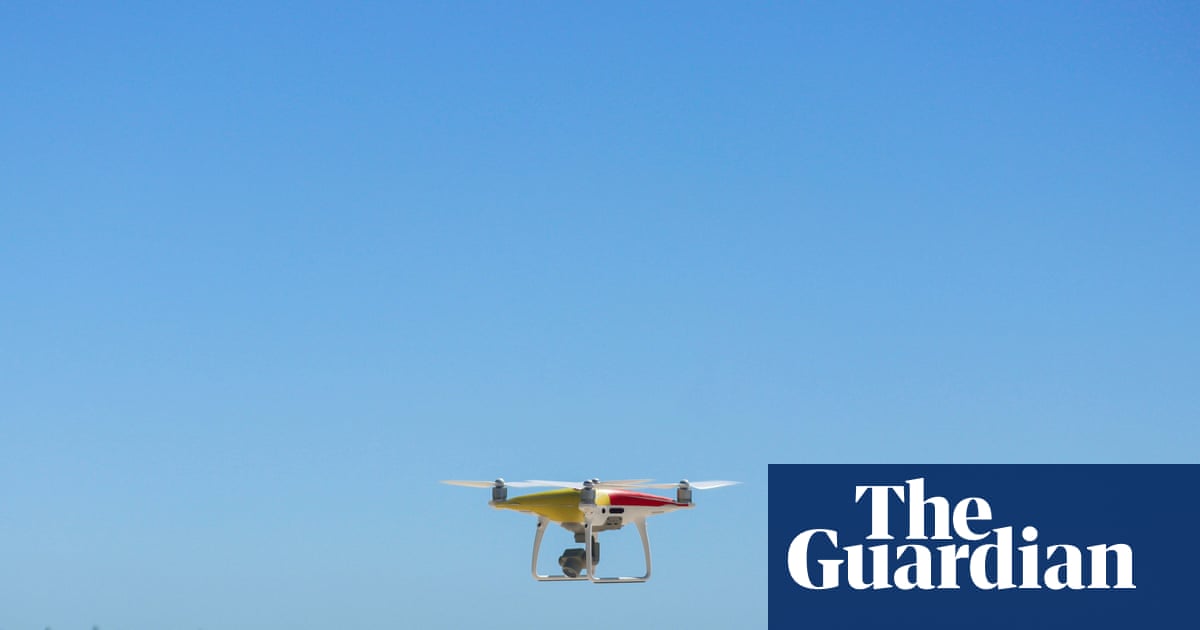
Queensland's new drone plan sounds promising—at first. Drones detected over double the number of sharks compared to traditional nets across a four-year trial, all while being kind to dolphins, whales, and turtles. That’s not just efficient; it’s ethical surveillance.
クイーンズランド州の新しいドローン導入計画は、一見魅力的に聞こえる。4年間の試験期間中、ドローンは伝統的な網よりも2倍以上多くのサメを発見した。しかもイルカやクジラ、ウミガメにはやさしい。これは単なる効率性ではなく、まさに「倫理的な監視」だ。
So naturally, the government responded by expanding drone use… and also ramping up lethal shark nets and drum lines. Yes, while drones saw 676 sharks—including 190 over two meters—nets killed over 120 non-target animals, including dolphins and dugongs. The cognitive dissonance here is thicker than a whale’s blubber.
だから政府は当然、ドローンの使用を拡大するとともに――致死性のサメ網とドラムラインも増やした。ドローンが676匹(うち2メートル超のサメが190匹)を確認した間に、網はイルカやジュゴンを含む120匹以上の非標的生物を殺した。この矛盾の厚さはクジラの皮下脂肪よりもずっとある。
私は海洋生態系の研究者だが、『伝統だから』という理由で、世界で最も希少な哺乳類の一つであるジュゴンまで殺す網をまだ使っていることに驚いている。一方で、ドローンは安価で、双方の命を守り、泳いでいる人を救助することさえできる。これは選択の問題じゃない。明らかに答えが出ている。
ドローンは完璧じゃない。大雨や強風では飛行できず、水が濁っていれば検出も難しい。だが、網も「サメ咬傷を防ぐ」わけではない。2000年以降、網あり・なしのビーチで差は見られないとデータは示している。なら、クジラを殺しても効果がない方法をなぜ続けるのか?
我々は毎朝ドローンを使用している――今年だけで、ドローンのおかげで3人の泳ぎ手を離岸流から救出できた。だが大きなサメが現れれば、海から素早く人を避難させる必要がある。網は少なくとも『安心感』を与えてくれる――たとえ他の動物を殺してもだ。私も嫌だが、なぜまだ使われているのかはわかる。
本当の解決策は何か? スマートなドラムライン――捕獲してタグ付けし、放流する。オーストラリアはこの手法を何年も棚上げしてきた一方、他国ではAI搭載ドローンでサメ識別を試行している。クイーンズランドは形だけを満たしている間に、海が代償を払っている。
一夜にして網を捨て去ることはできない。公衆のサメ攻撃へのパニックが政策を動かしている。もし網撤去後に致命的な咬傷が起これば、反発は物凄いことになるだろう。政府は安全策を取る――文字通りも政治的にもだ。
公共の不安が政策を動かすと言うが――科学的な危機意識はどうなんだ? 古い装置のせいで、種全体を失いつつある。いつまで、古びた恐怖心を生態系より優先するんだ?
昔は海を敬っていた――裏庭のプールみたいに柵で囲うなんてしてなかった。本当に必要なのは教育かもしれない。技術や網ではない。