Is a 15.9% water hike really a 'national security threat'? This consultant thinks so—and he might be right.
15.9%の水道料金値上げが「国家安保上の脅威」? この労働コンサルタントは本気でそう言っているが、案外的を射ているかもしれない。
www.adomonline.com
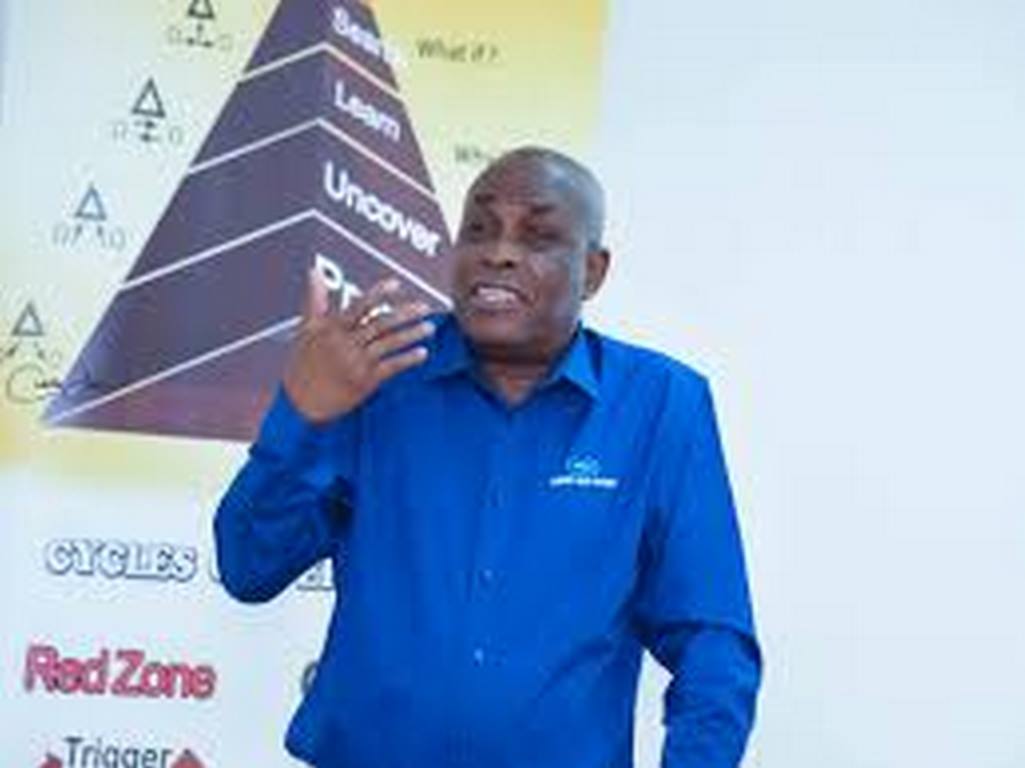
So a utilities tariff spike isn't just an economic policy debate—it's now a national security flashpoint? Labour consultant Austin Gamey made that explosive claim today, arguing the 15.9% water and 9.8% electricity hikes could destabilize the country if met with union resistance. Forget salary negotiations; he insists this is bigger than wages. It’s about keeping factories running, hospitals lit, and social peace intact.
つまり、水道・電気料金の値上げは単なる経済政策論争ではない——すでに国家安保のホットスポットになったのか? 労働コンサルタントのオースティン・ゲイミー氏は今日、この15.9%の水道と9.8%の電気の値上げが労働組合の抵抗に遭えば、国家の安定を揺るがす可能性があると断言した。給与交渉なんて瑣末だ。彼が主張するのは、それは賃金よりも大きな問題だ。工場の操業、病院の照明、社会の平穏を保つことそのものだ。
His solution? The government needs to drop the cold shoulder and call for an urgent, multi-sectoral tripartite meeting—before this turns from a policy dispute into full-blown unrest. After all, even union members are consumers. Can you really strike against a system you depend on? Food for thought.
彼の提言とは? 政府は無視を決め込むのをやめ、緊急の多分野・三者会議を呼びかけるべきだ——これが政策論争から全面的な不穏へと変質する前に。そもそも、組合員自身も利用者なのだ。自分が依存する制度に対して、本当にストライキできるのか? 考えるべき問いだ。
ゲイミー氏の言うことは間違っていない。国家安保を脅かすのに武装蜂起はいらない——全国で48時間停電するだけで十分だ。レバノンや南アフリカを思い出せ。経済的苦痛、特に水や電力のような必需品への打撃は、市民の不満へと直通の道である。政府は労働組合と交渉しているのではなく、安定そのものと交渉しているのだ。
公衆衛生の視点を加えると:水道料金が上がると、人々は水を使うのを減らす。衛生状態が悪化し、感染リスクが高まり、診療所は逼迫する。これは単なる家計簿の問題ではない——防げるはずの感染症の爆発の話だ。その最も大きな被害を受けるのは? 常に貧困層だ。
はぁ? じゃあ次は朝食抜きが革命を引き起こすと言うつもりかい。値上げごとに「国家的緊急事態」だと言っていたら、2003年からずっと非常事態だろ。大げさな芝居はごめんだ。市場に任せるか、任せるな。だが、何でも命取りのドラマに変えるのはやめろ。
これが市場原理主義の話だと思うのか? 実は予測可能性の話だ。電気や水道が政治的に扱われると、投資家は逃げ出し、産業は停滞する。そして結局、市場は崩壊する——ゲームのルールを誰も信じなくなるからだ。
双方に理はありだ。公益事業は原価を回収する必要がある。労組も値上げが耐えられない会員を抱えている。だがこれは「政府対TUC」という構図に収めるのは古い。真の当事者は? 利用者と中小企業だ。こっちは請求書とにらめっこしながら、あんな連中がポーズを決めているのを見ているのだ。
正直、インフラ議論がただ退屈だった時代が恋しい。今じゃ停電一つでTwitter革命が起きる寸前だ。悲しいな。
忘れてはいけない:公益事業の労働者もTUCのメンバーなのだ。彼らはシステムに資金が必要なことも知っている。だが自分たちも料金上昇には耐えられない。それが真のジレンマだ——悪人はいない。ただ、どうやっても難しい選択があるだけだ。
これは隠れ蓑をかぶった気候政策だ。営業コストの上昇? それは気候変動がインフラに与える被害だ。TUCは単に値上げに抵抗しているのではない——適応の負担の不平等に抗っているのだ。誰がその代償を払うのか? いつも私たちだ。