They Keep India Clean—But Can’t Get Clean Water. How ‘Civic Sense’ Benefits Only Those Who Outsource Dirt
彼らがインドを清潔に保っているのに、清潔な水さえ手に入らない。‘市民意識’という名の利益は、 Dirt(汚い仕事)を外部に押し付ける人々だけのものだ
scroll.in
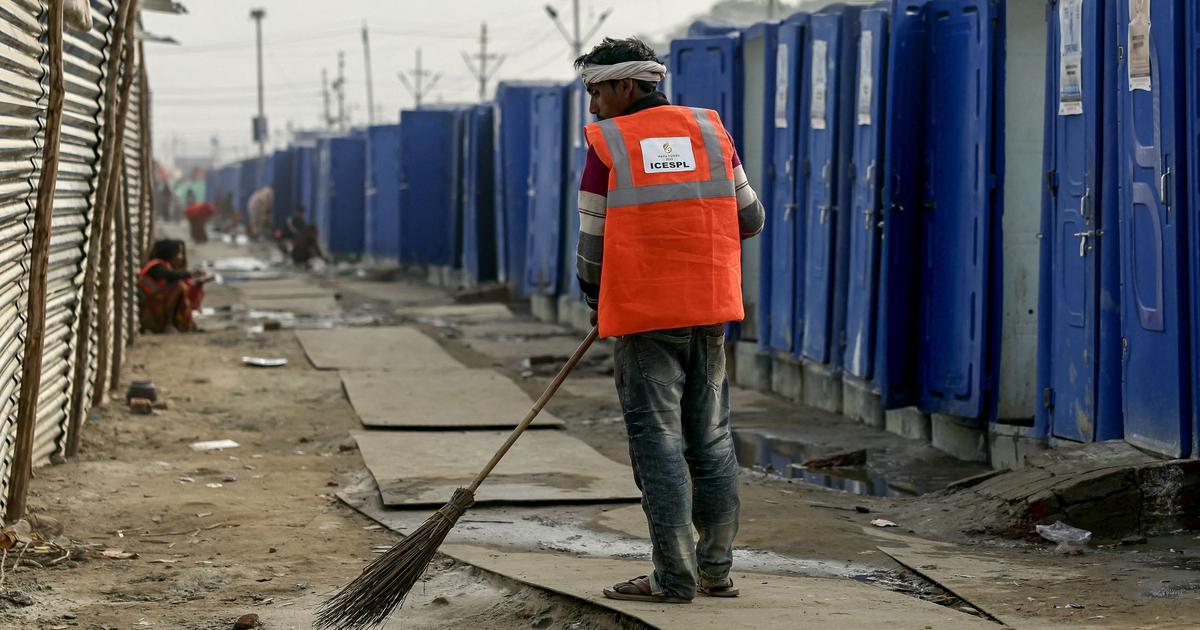
The data is clear: 68% of India’s sewer and septic tank workers are from Scheduled Castes. Yet the government insists it’s not ‘caste-based’ work — it’s just ‘occupation-based’. Spare me the bureaucratic euphemisms. This isn’t a job market phenomenon; it’s caste apartheid in a hi-vis vest.
データは明確だ。インドの下水およびセプティックタンク作業員の68%がスケジュール種姓出身だ。だが政府はこれを『カーストに基づく仕事』ではなく、ただの『職業ベース』だと言う。官僚的な婉曲表現はごめんだ。これは労働市場の現象ではなく、高い視認性のベストを着たカースト・アパルトヘイトそのものだ。
The real irony? These workers make ‘cleanliness’ possible for others, but their own neighborhoods lack basic sanitation. They clean airports but can’t access clean water at home. And then we blame ‘lack of civic sense’ on the poor? That’s not civic failure — that’s the system working exactly as designed.
皮肉なことに? これらの労働者は他者にとっての‘清潔さ’を可能にするが、自分たちの地域には基本的な衛生設備さえもない。空港を掃除するが、自宅で清潔な水を使うことはできない。そしてその上、貧困層に『市民意識の欠如』を非難するのか? これは市民的失敗ではなく、システムが意図通りに機能しているだけだ。
私は8年間、清掃請負契約を請け負っていました。真実は? 特定のコミュニティから人を雇うのは、抗議しないからです。彼らは黙って働くだけ。これは『好み』ではなく、伝統に包まれた搾取です。でも、『安い、静かな労働力』だけを求めている役人たちに、そんな話が通るでしょうか。
私たちは何十年も前からこれを訴えています。国家が『清掃の日』を美化する一方で、5年間で370人以上の労働者が下水掃除で命を落としているのです。怒りを感じないなら、現実を見ていないということです。
バックエンドの90%を、ある疎外された集団が担っているSaaS製品を想像してみてください。誰もが『シームレスな体験』を称賛しますが、DevOpsチームに話しかける者はいません。それがインドの衛生インフラです。
私は祭りの時期に家政婦さんに特別手当を渡しています。でも、彼女がここにいないとき、どこで何をしているか尋ねたことは一度もありませんでした。それには強く突き刺さりました。
これは外部不経済の典型例です。上層階級は衛生を一種の公共財として享受する一方、コスト——死、疾患、汚染——は最下層カーストが負担しています。これは啓発キャンペーンでは解決できません。
そして労働者が亡くなっても、同じ村から静かに別の人を雇うだけです。調査も、補償もありません。それがこのシステムの回し方です。
まさにそうです。そしてその『村』というのは?偶然ではありません。何世代にもわたって築かれた人員調達ルートです。これを断ち切るには、土地改革と教育機会、そしてカーストのスティグマの解体が必要——スローガンではなく。
植民地時代の衛生地図は今も現代都市の構造を形作っています。『文明化使命』とは平等ではなく、カーストによる清掃を意味しました。イギリス人はこれを発明したのではなく、制度化して武器にしたのです。