Hold the Broccoli: Your Diet Might Be Making or Breaking Your Cancer Immunotherapy Success
ブロッコリーを食べていればよかった?食事ががん免疫療法の成否を左右している可能性
www.nature.com
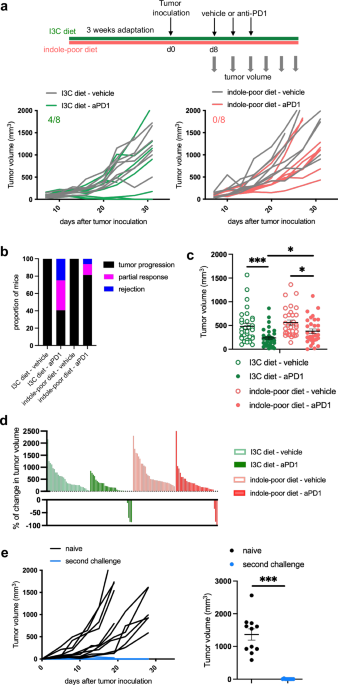
So apparently your immune system’s ability to fight cancer with drugs like anti-PD1 isn’t just about genetics or tumor mutations. Nope. It’s also potentially tied to whether you remembered to eat your cruciferous vegetables this week. New research just dropped showing that dietary AhR ligands—yes, from foods like broccoli and cabbage—are non-negotiable for anti-PD1 efficacy in mice. No joke: mice on diets lacking these compounds barely responded to treatment.
どうやら、抗PD1薬などを用いたがん免疫療法の効果は、遺伝や腫瘍の変異だけでなく、今週ブロッコリーやキャベツをちゃんと食べたかどうかにもかかっているらしい。最近の研究で、アーリル炭化水素受容体(AhR)に作用する栄養成分が、マウスにおける抗PD1療法の効果に不可欠だと判明した。冗談ではなく、これらの成分を含まない食事をしたマウスはほとんど治療に反応しなかった。
What's wild? Microbiome-derived AhR ligands didn’t matter—only the food-based ones did. And get this: these dietary compounds don’t change the baseline immune setup. Instead, they ‘license’ your T cells to actually respond when the anti-PD1 drug hits. It’s not what’s already there—it’s what your body can do after treatment that matters. So, maybe the next time someone says ‘just eat well,’ they’re not being vague. They might be prescribing adjuvant therapy.
驚くべきことに?マイクロバイオーム由来のAhRリガンドは関係なかったのだ。関係したのは食事由来のものだけだ。さらに驚くのは、これらの食事成分が基礎的な免疫状態を変えないことだ。代わりに、抗PD1薬が投与されたときにT細胞が反応できるように『許可を与える』のだ。問題は最初の状態ではなく、治療後の身体の反応能力にある。つまり『ちゃんと食べなさい』というアドバイスは、もはや曖昧な言葉ではなく、補助療法の処方かもしれない。
マウスの栄養研究がすぐに『ケールをもっと食べろ』に変わる様子が本当に好きだね。現実的に言おう:人間の食事はカオスで、マイクロバイオームも個体差が大きく、ステージ4のがん患者に『ねえ、ブロッコリーを増やして』なんて言えない。文脈が大事だ。というより、病気の人の食事遵守は地獄だ。まず人間での臨床試験が必要だ。
そのメカニズムを早とちりしてはいけない。食物由来(腸内細菌由来ではない)AhRリガンドが鍵なら大発見だ。これは、非常に変動の激しいプロバイオティクスよりも、食事介入の方が信頼できる可能性があることを意味する。また『T細胞に許可を与える』というのは大げさではなく、二次的な刺激に反応できるように一次信号が細胞を準備する、という実在する免疫学的コンセプトだ。この論文のメカニズムはしっかりしている。
現実にこれを経験した人間として、治療に少しでも効くなら土でも食べる。ブロッコリーが少しでも勝率を上げてくれるなら、毎日食う。希望を軽視しないでほしい。
これは非常に重要だ。患者が食事でがんを克服できるという意味ではなく、我々が制御できる要因が見つかったからだ。腫瘍の変異とは異なり、食事は変更可能だ。チェックポイント阻害薬と併用する栄養プロトコルを設計できるかもしれない。これは『もっと良いもの食べろ』という話ではなく、代謝的な準備なのだ。
予想:来週には、20万円のジューサーを持つ健康ブロガーが、全員『AhR強化ブロッコリーデトックス』を始めるだろう。彼らはそれを量子栄養学と呼ぶ。一方で、現実のがん患者は吐き気で食事が喉を通らない。希望の商品化は本当に不快だ。
本当のポイントは『前駆 exhausted T細胞』にある。これらはPD-1阻害後、免疫応答を再生する幹細胞のような細胞だ。この論文では、食事由来のAhRリガンドがこれらの細胞を代謝的に健全にしていることを示している——ミトコンドリアが多く、ATPも多い。これは単なる『良いものを食べろ』ではなく、直接的なエネルギー供給の支援だ。
科学は理解するが、患者が毎日300gのブロッコリーを食べられなければ、『代謝的に健全なT細胞』は何の意味もない。副作用、吐き気、治療の疲労感——これらは脚注ではない。実用的ですり合わせたプロトコルがあるまで、これは美しいマウスの生物学にすぎない。
サプリメントや抽出物、最適化されたフォーミュラで補うこともできる。ブロッコリーそのものである必要はない。この論文は、民間療法ではなく、機能性食品設計への扉を開いたのだ。