After 47 Years, a Bank CEO Stepped Down—But Why Is Everyone Saying He ‘Saved the Town’?
47年務めた銀行CEOが退任したが、なぜ町を「救った男」と呼ばれるのか?
www.weau.com
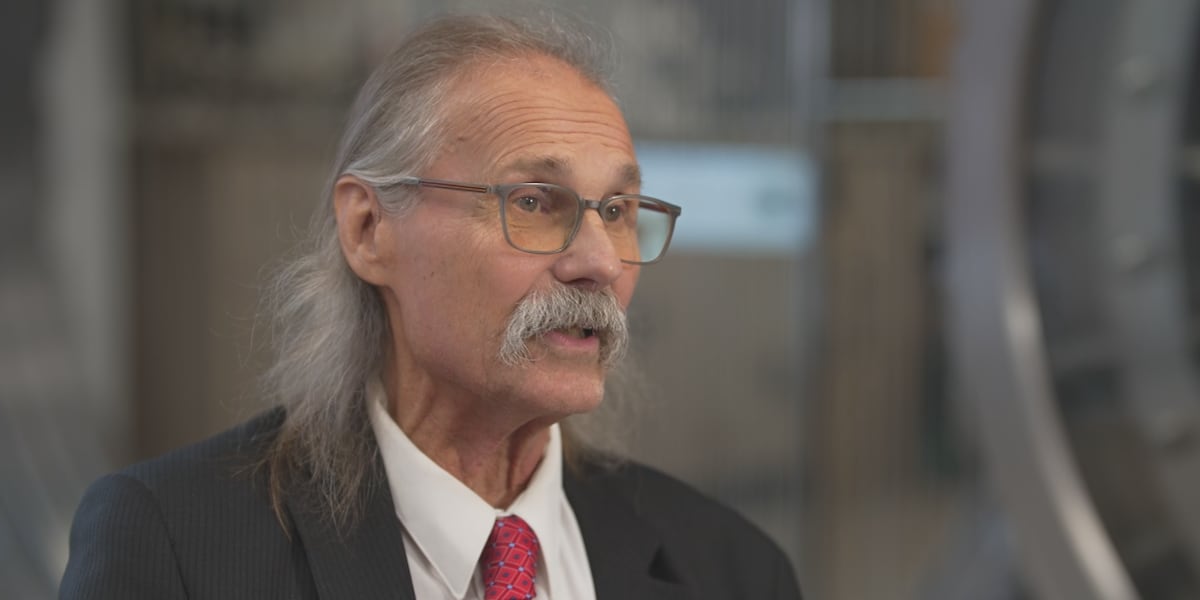
Jerry Jacobson didn’t just run a bank—he rebuilt a community one loan, one skate park, and one fair at a time. After 47 years at Northwestern Bank, this Chippewa native didn’t leave behind balance sheets; he left behind homes, startups, and yes, even a skate park built because kids had nowhere to ride. That’s not banking. That’s legacy-building with interest.
ジェリー・ヤコブソンはただ銀行を経営しただけではない。ローンひとつ、スケートパークひとつ、フェアひとつと、地域社会を再建していった。ノースウェスタン銀行で47年を過ごしたチッペワ出身の彼が残したのは貸借対照表ではなく、住宅、起業、そして子供たちが乗れる場所がなかったからこそできたスケートパークだ。これは銀行業ではない。これは『利殖』付きの遺産づくりだ。
His approach? Banking with soul. He made loans not just on credit scores, but on character—and on how vital that taco stand was to downtown Chippewa Falls. When hospitals closed, he didn’t wait for government aid; he helped form a health co-op. That’s not leadership by spreadsheet—it’s leadership by streetlight, where you see the real needs right in front of you.
彼のアプローチとは?魂を持った銀行業務だ。彼は与信スコアだけでなく、人物の誠実さや、タコス屋がチャイペワフォールズの中心街にどれほど重要かで融資を決めていた。病院が閉鎖されたとき、政府の支援を待つことなく、医療協同組合の設立を支援した。これは表計算によるリーダーシップではない。目の前にある本当のニーズを見極める、街灯の下でのリーダーシップだ。
これが本来の「地域銀行」の姿だ。アルゴリズムでも、株主配当でもなく、近所の人々のために本物の判断をする人々。田舎の銀行が大手に買収され、魂を失うのを何度も見てきた。ジェリー・ヤコブソンのような人物がもっと必要だ。
まあかわいげはあるけど、銀行は慈善団体じゃない。与信がひどいけど「町にとって大切な」タコス屋に融資を続けていたら、リスク資産が暴走する。感傷は利子を生まない。
田舎の経済がその「感傷」に依存していると気づいてる?そのタコス屋は3人を雇い、地元農産物を買い、人通りを集める。君の「リスク資産」的な見方は都市的で非現実的、完全に間違っている。
子供たちに滑る場所がなかったからスケートパークを建設?ありえない。人口10万人以上の町でも安全にスケボーできる場所がないのに。その男には退職パーティーではなく、記念像が必要だ。
セイクラッドハートが閉鎖されたとき、同僚たちは処方箋を取るために片道45分も運転した。ジェリーは「支援」しただけではない。医療協同組合を共同設立した。これはCNBCでは決して取り上げられない医療リーダーシップだ。
まあ、感動的なくだらない話はいいけど、このモデルはスケーリング可能なのか?全国規模の銀行で、融資担当が「地域的重要性」で判断できるのか?それとも、白人中心の閉鎖的な町でしか成立しないのか?
本質を捉えていない。規模の問題ではない。必要なことに気づき、行動した一人の人間の話だ。ジェリーは流行に気を払わず、人々に目を向けていた。このようなリーダーシップは伝染する。
面白いことに、データは「関係重視の銀行業務」が地域共同体の長期的レジリエンスを高めることを示している。『柔らかいもの』—信頼や地元の知識—こそが、農村存続のための硬いインフラなのだ。