Wait, They Want to Unclean the Charles River? Is This a Joke?
ちょっと待って、チャールズ川を『不潔』に戻すだと? これは冗談ですよね?
www.cbsnews.com
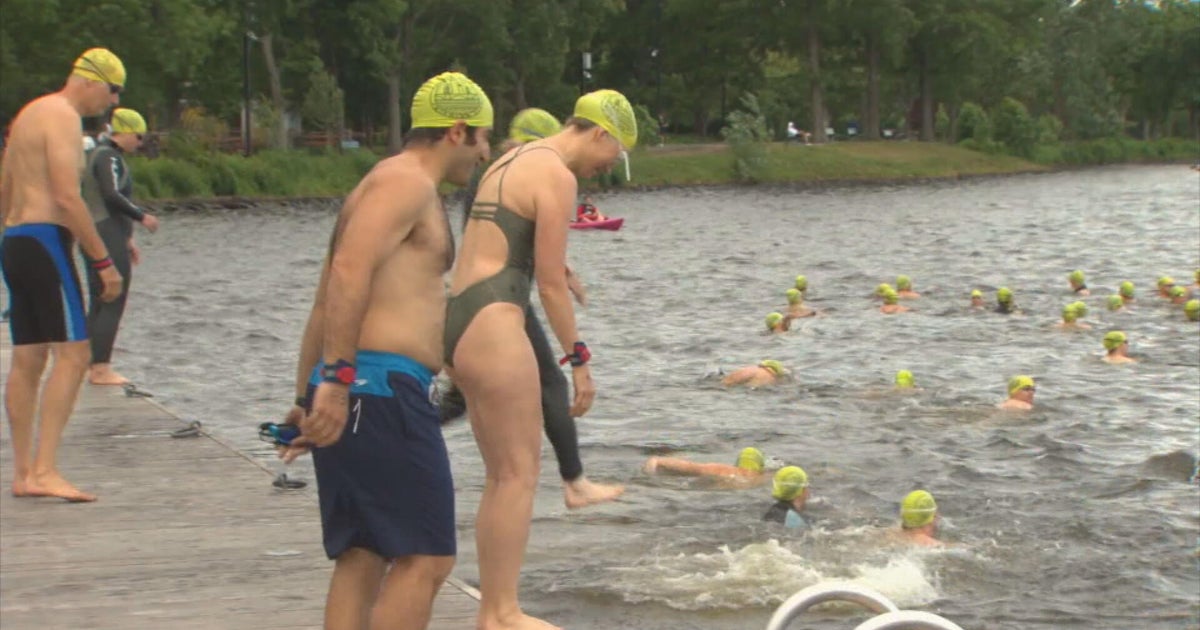
The MWRA just casually proposed downgrading the Charles River’s water quality classification so sewage can legally flow into it. After decades of cleanup that turned a 'D' EPA grade into a solid 'B+', this feels like swapping a gold medal for a participation trophy—while still sweating.
MWRAは、下水を合法的に流せるようにするために、チャールズ川の水質分類を無造作に格下げしようとしている。何十年にもわたる清掃活動によりEPAの評価が'D'から'B+'まで回復した後、これは汗をかきながらも金メダルを出場賞と交換するようなものだ。
Officials claim this 'responsible approach' balances environmental benefits and rate impacts—like you can just trade cleaner water for cheaper bills. Meanwhile, locals who paddle, propose, and picnic here are asking: at what cost? The river isn’t infrastructure. It’s memory.
当局は、この『責任あるアプローチ』により環境利益と料金への影響が両立されると主張するが、それはまるで綺麗な水を安い請求書と交換できるかのようだ。一方で、ここでカヌーを漕ぎ、プロポーズし、ピクニックをする地元住民は問うている:その代償は何か? 河川はインフラではない。それは記憶だ。
まあ、財政的圧力は理解できます。下水オーバーフロー対策のインフラ整備は高価で、料金支払い者はさらなる値上げを望んでいません。しかし『汚染の合法化』はインフラ最適化ではなく、ただの降伏です。失敗を容認するためにルールを変えるのではなく、パイプを直すべきです。
私は2005年から毎夏チャールズ川をカヌーで漕いでいます。この川はかつて強烈な悪臭を放っていた。今では子供たちを連れてきます。配管を直すより安いからといって、その進歩を本当に捨ててしまうのでしょうか?
これは下水以上に先例の問題です。一度水路が『再分類』されれば、基準は崩壊します。キュヤホガ川のそばに住んでいた人なら誰でも言えるでしょう――1969年に川が燃えたが、真の悲劇は衰退の『日常化』だったのです。
まさにそうです。これはゆっくり進行するシステムの劣化です。根本原因を解決するのではなく、方針変更で表面をごまかしている。それは統治ではなく、許可証付きの先延ばしです。
結論を急がず、待ってみましょう。MWRAはオーバーフローを減らすために都市と協力していると述べています。この再分類は、単なる技術的調整かも知れず、廃棄行為の『OKサイン』ではない可能性もあります。
希望を持つのは構いませんが、私は以前、都市が『信じてください』と言い、その後真夜中にバルブを開けるのを見てきました。信頼を求めるなら、抜け穴のように聞こえる分類ではなく、透明性が必要です。
「釣りができるほどきれい」が目標だった時代を覚えていますか? 今や「泳げる」状態さえ切り捨てられようとしている。私たちが高期待を当たり前とした瞬間、その期待が切り捨てられる。典型的な規制緩和だ。
MWRAの草案では『環境利益と料金への影響を両立』とあるが、これは『郊外がより多く支払わないように、川を犠牲にする』という合図だ。同じシナリオ、川が違うだけ。