Is the Space Industry Finally Facing Its Trash Problem? The Push for a 'Circular Space Economy' Might Save orbits—And Earth
宇宙産業はようやくゴミ問題に直面するのか?『宇宙版循環経済』への動きが、軌道と地球を救うかもしれない
www.sciencedaily.com
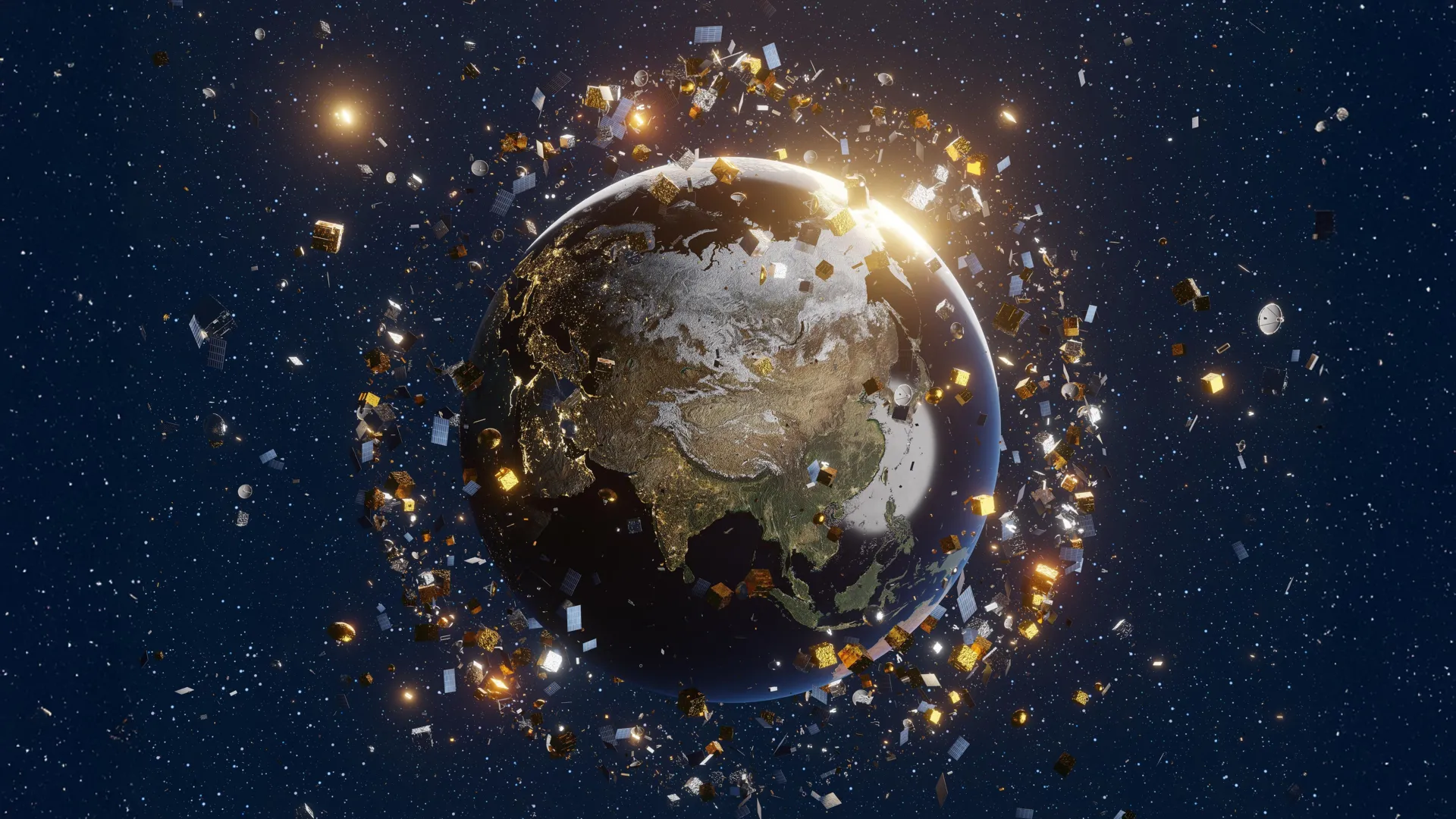
Another day, another rocket blowing $100 million worth of rare metals into the upper atmosphere while pumping CO2 and chlorine into the stratosphere. And we call this progress? Meanwhile, dead satellites pile up like cosmic junk mail in graveyard orbits, threatening to turn low Earth orbit into a no-fly zone. It’s time we treat space like Earth’s fragile environment—because it is.
またしても今日、1億ドル相当の希少金属を高層大気に吹き飛ばし、成層圏へCO2と塩素をまき散らすロケット発射。これを進歩と呼ぶのか?一方で、朽ちた衛星は「墓場軌道」に宇宙のごみメールのように積み上がり、低地球軌道を飛行禁止区域に変えようとしている。宇宙を地球と同じく壊れやすい環境として扱う時が来た。だって、事実そうなのだから。
But here’s the twist: a new study says we could design satellites to be repaired, refueled, and even recycled in orbit—imagine space gas stations and robot mechanics. The 3 Rs (Reduce, Reuse, Recycle) aren’t just for your curbside bin anymore. If Apple can do it with iPhones, why can’t SpaceX with Starlink?
ところが、新研究では衛星を宇宙空間で修理・給油・リサイクルできるように設計すべきだと提唱。宇宙版ガソリンスタンドやロボット整備士を想像してみてほしい。3R(減らす・再利用・リサイクル)はもう家庭のごみ箱専用ではない。アップルがiPhoneで実現できているなら、スペースXがスターリンクでできない理由はない。
理論的には素晴らしいが、拘束力のある国際条約がなければ、これは宇宙服を着たグリーンウォッシングに過ぎない。宇宙条約は1967年制定で、アポロ計画よりも古く、未だにデブリや企業責任の問題に対応していない。国連が強制力を持つリサイクル枠を設けるまで、ケロシンを積んだタンカーを打ち上げながらCO2排出量のツイートを続けるだけだ。
すでにモジュール式衛星を設計している。ESAも最近、軌道上での給油を実験済みだ。技術は着実に進んでる。だが、無重力環境でアルミをリサイクル? 大規模な投資がなければ、それはまだSFだ。
投資の壁は確かにその通りだが、AIによるデブリ回収を忘れるな。日本の研究チームが磁力ネットの試作機を展開したばかりだ。未来は可能というだけでなく、すでに試作段階に入っている。
これは単なる効率の話じゃない。次世代に対する正義の問題だ。私たちは子供たちから宇宙の高速道路を借用して、壊している。それは探検ではない。ロケットが優れた植民地主義だ。
偉そうに話すけど、実際はEVA中、自分たちがデブリを避けてる。先週、1980年代のソ連製ボルトが太陽光パネルを破壊しそうになった。哲学より、ネットと曳航船と資金がいる。
衛星のリサイクルは崇高に聞こえるが、それは単なる気晴らし。真の問題は打ち上げ頻度だ。再使用率が95%に達するまでは、他のことはどうでもいい。今のところ、30%くらいじゃないのか?
公正に言えば、2010年と比べれば30%の再利用も革命的だ。だが、君の言う通り、ゴミをずっと打ち上げていてはリサイクルなどできない。