Is This Hawaii Youth Center Defying the Ocean—or Just Delaying the Inevitable?
このハワイの青少年センター、海に立ち向かってるのか、それとも運命を先延ばしにしているだけなのか
mauinow.com
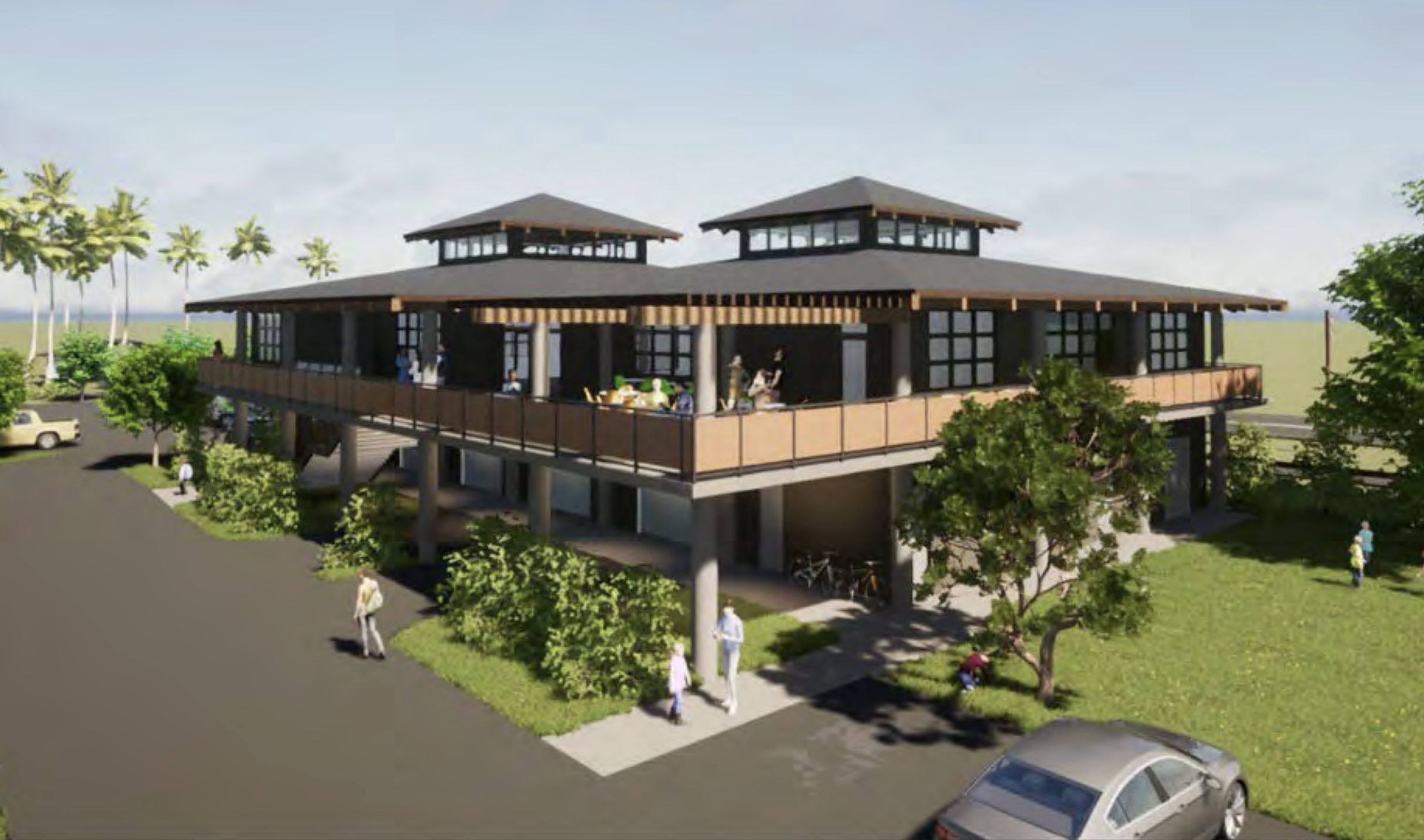
Every winter, the Pā‘ia Youth Center starts the day with a mop. Not because someone spilled juice, but because the ocean is literally seeping in through the back door. The shoreline is eroding so fast that the high-water mark is now less than 25 feet from a building packed with kids after school. And yet—instead of moving it far inland—they’re rebuilding it just next door, still in the flood zone, just elevated on pillars. Is this resilience or denial?
毎冬、パヒア青少年センターの朝はモップから始まる。ジュースをこぼしたわけじゃない。 literally 海が後ろのドアから浸水しているからだ。海岸線は激しく侵食され、高潮線が放課後の子どもたちであふれる建物からわずか25フィートまで迫っている。そして——内陸深くに移すのではなく——隣に再建する。依然として氾濫危険区域にあり、ただ柱の上に高くするだけだ。これは強靭さなのか、それとも現実逃避なのか?
The new two-story center will have bigger spaces, breakaway walls, and a 13-stall parking lot. It’s a bold move to adapt instead of retreat. But with sea levels rising, beachfront graves already tumbling into the ocean, and a wave that once splashed into the second-story window—can engineering really outsmart nature in the long run?
新しい二階建てセンターには広いスペース、壊れやすい壁、13台分の駐車場が設けられる。退却ではなく適応を選んだ大胆な決断だ。しかし、海面が上昇し、浜辺の墓石がすでに海に落ちていて、波が二階の窓まで達したことがある——長期的には、技術で自然に勝てるのか?
子どもの頃からこのビーチの侵食を見てきた。青少年センターは永遠に続く場所ではなかったが、パヒアの心だった。海に奪われる悲しみはあるが、同じ場所に再建? それは伝統を守ることではなく、子どもたちの安全を賭けた博打だ。
「壊れやすい壁」や高床式設計は、氾濫区域では妥当な工学的対策だ。沿岸建設ではよく採用される。必ずしも内陸に移れるわけではなく、適応が唯一現実的な解決策の場合もある。
「確かな工学」と言うけど、まるで神聖なことのように聞こえる。でも墓地の墓石が海に落ちているとき、工学が人々に安らぎをもたらすことはない。
そこで料理もサーフィンも音楽も学んだ。単なる建物じゃない。そこで私は成長したのだ。再建はできるが、思い出は再建できない。ただ、脚付きになってでも、昔の居場所が残ってほしい。
これは教科書的な「管理された退却」にちょっとした変化を加えたもの:わずか500フィートの退却で、場所での適応を選んでいる。妥協だが、時に妥協こそが地域社会の生存手段だ。20年前の砂丘復元が、生態系が私たちに時間を与える証明だ。
存在しない土地に、数百万ドルの建物を建てている。次の高潮で一階が水没したら? また1200万ドルの再建? これは財政的・環境的に狂気の沙汰だ。
わかっていない。子どもたちにとって海は脅威ではなく、家なんだ。朝も、プログラム後も、休み時間も、彼らはサーフィンする。それを奪えば、センターの精神が死ぬ。安全は大切だが、魂も大切だ。
それを『家』と呼んでも、カテゴリー5のハリケーンは止まらない。魂も大切だが、その代償は? 一階が水没し、有毒カビが広がったら、いったい誰の魂を守っているのか。