Wait—Did a Right Whale Just Cross the Atlantic the Wrong Way? This Changes Everything.
待って、マッタククジラが大西洋を「逆方向」に横断したって? これって史上初じゃん。
www.boston.com
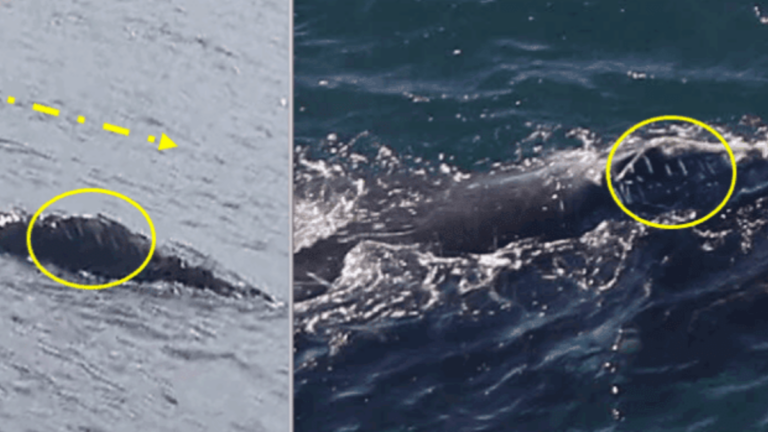
A North Atlantic right whale spotted off Boston was photo-matched to one seen near Donegal Bay, Ireland—3,000 miles and months apart. This isn’t just a migration; it’s a geographic plot twist. Scientists thought these whales only moved west to east, but this one went east to west. First documented case ever.
ボストン沖で観察されたマッタククジラが、何と3,000マイル離れたドネガル湾(アイルランド)で見た個体と写真照合で一致した。しかも数か月の時間差がある。これは単なる移動じゃない、まるで地理教科書に穴を開けるレベルの出来事だ。従来、こうしたクジラは西から東へしか動かないと思っていたが、これは東から西へ向かっている。記録上、史上初のケースだ。
With only 384 individuals left, every sighting matters. And this one? It proves these whales might still find viable habitats—and that international collaboration can actually work. Also, the whale’s scarring basically gave it a whale passport. Nature is wild.
残り384頭しかいない中、一つひとつの目撃が重要だ。ましてやこれだ? これは、彼らがまだ適した生息地を見つける余地があること、そして国際協力が実際に機能しうることを証明している。それに、このクジラの傷跡がまるでパスポート機能を果たしたようなものだ。自然って本当に狂ってる。
これはでかい。何十年も、北大西洋はマッタククジラにとって一方通行の道だと扱ってきた。その流れを逆らって移動したクジラを発見したってことは、珍しいどころか、従来モデルそのものを覆しかねない。今まで彼らの適応能力をずっと低く見積もってた可能性があるぞ。
今回、真のMVPは傷跡による個体識別だ。あのユニークな傷がなければ、このクジラは『また一頭見かけた』で終わっていた。それが、大西洋横断の物語になった。アイルランドクジラ・イルカ調査団に敬意を表する。彼らがクリーンなショットを確保したからこその成果だ。
ほんとそれ。あの傷のパターンはクジラの指紋みたいなものだった。2024年7月、地球の裏側で撮られた一枚のクリーンな写真が、10年分のデータを突如つなげたんだ。これぞオープンサイエンスと国際共有の力だ。
素敵な話だけど、これが一晩で保護政策を変えるなんて思わないでくれ。未だに船との衝突、漁具への絡まり、海の温暖化問題がある。一頭のクジラでそれが解決するわけないだろ。
脅威が現実なのは分かるよ。でも、このクジラは回復の可能性がある証拠だ。人間の活動で傷ついた海を横断しても、まだ生き延びてる。もしこれらのクジラが適応できるなら、私たち人間もできるかもしれない。
へぇ、クジラが3,000マイル泳いだんだ。すごいね。一方、私の通勤は45分で、もう個人的な悲劇としか思えないわ。
こんな移動パターンの変化は、むしろ赤信号かもしれない。適応力の証拠じゃなく、絶望的な逃避かも。『普通』のルート沿いの生息地が崩壊している可能性がある。
このクジラは、知らぬ間に国境を越えた保護活動のマスコットになってしまった。海を国境だと見なすのをやめよう。そもそもそうじゃなかったんだから。