This Tokyo Office Renovation Just Proved Minimalism Can Have Soul — Is Synthetic Design Dead?
この東京のオフィス改装が『ミニマリズムにも魂はある』ことを証明した――人工素材のデザインはもう終わりなのか?
hypebeast.com
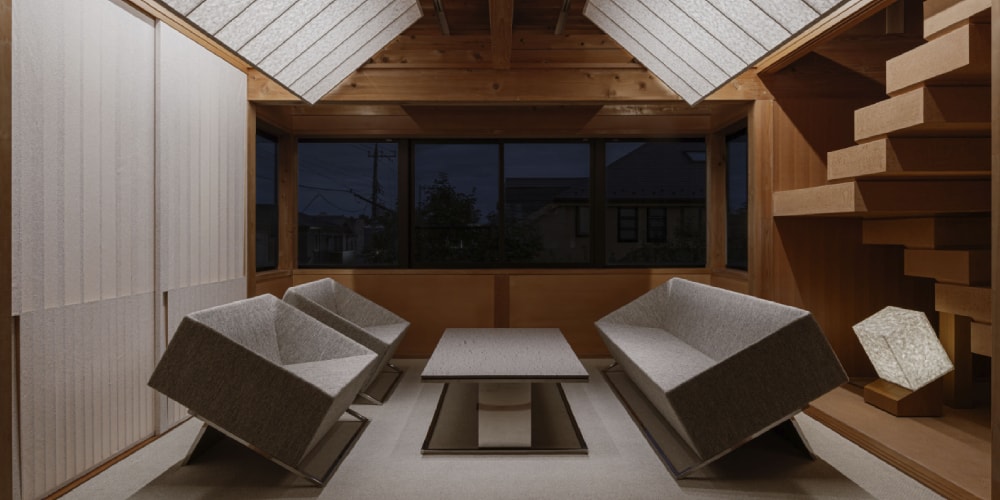
So Symbolplus didn’t just redesign their office — they performed a full-on architectural soul transplant. By keeping Akio Hayashi’s original timber frame and covering everything in earthen plaster from Ishikawa, they’ve created a space that feels less like a startup HQ and more like a centuries-old temple you’d stumble upon in the Japanese countryside.
つまりSymbolplusはただオフィスをリデザインしただけでなく、建築的な魂の移植手術を行ったのだ。元々の林昭夫による木造フレームを維持し、石川の土壁で全面を覆うことで、スタートアップのオフィスというより、日本の田舎で偶然見つけたような何百年も前の寺のような空間を創り出した。
The real flex? Using delicate Tosa Washi paper for movable partitions and ceiling panels—layering it for durability. This isn’t just design; it’s a quiet rebellion against sterile, soulless glass-and-steel offices. You can practically smell the hinoki and feel the texture of the soil on your fingertips.
真の見せ場は? 傷つきやすいとされる土佐和紙を可動式のパーテーションや天井パネルに使うこと——耐久性を高めるために重ね張りしている。これは単なる設計ではない。殺風景で無機質なガラスやスチールのオフィスに対する静かな反逆だ。ヒノキの香りがして、土の質感が指先に感じ取れるかのようだ。
彼らがただ詩的なことを言っているわけではない。石川の赤土を使った土壁には、実測可能な湿度調節効果や熱容量の恩恵がある。湿度を調整し、熱をためることで空調の使用を減らせる。これは美しさだけでなく、物理学に基づいた持続可能な設計だ。
だが、自然素材を使うことが自動的に持続可能というわけではない。石川から東京まで土を運ぶとカーボンマイルが増える。地元の粘土は色味が劣るかもしれないが、多くの場合、より環境に優しい選択だ。これが『自然』デザインに潜む偽善だ。
和紙の革新は尊重するが、畳はどこにある? 真の和空間は、足元に柔らかく接地感のある質感がないと完成しない。これは中途半端な日本風に感じられる。
5年でオフィスを2回改装した人事担当として、和紙の可動間仕切りは天才的だ。見た目が素晴らしいだけでなく、20分で空間を再構成できる。これこそ現代企業が本当に必要な機動性だ。
このオフィスに入る瞬間、ノスタルジーのスイッチが押されるに違いない。あの木と土の香り? それは70年代の祖父母の家の匂いだ。無機質な高層ビルが林立する都市で、これは静かな反逆に思える。
その通り。石川の土ではなく地元の土を使えば、内包エネルギーを40%削減できる。伝統は美しいが、持続可能性の指標も重要だ。このオフィスは詩的ではあるが、不要な輸送を過度に美化すべきではない。
見た目は素晴らしいが、あの粘土や紙の下でWi-Fiはどうなんだ? 雰囲気は好きだが、Zoom会議に3秒の遅延は許されない。
やっとだ。『がんばれ!』と叫ばず、『集中しろ』と静かにささやくワークスペース。光を拡散する和紙のパネル? それは単なる設計ではない。建築そのものが瞑想だ。