Did Aliens Just Fly Over Brazil? Nope—It’s Just Elon’s Satellites Again.
ブラジル上空を謎の光条? 正体はまたしてもイーロンの人工衛星でした。
en.clickpetroleoegas.com.br
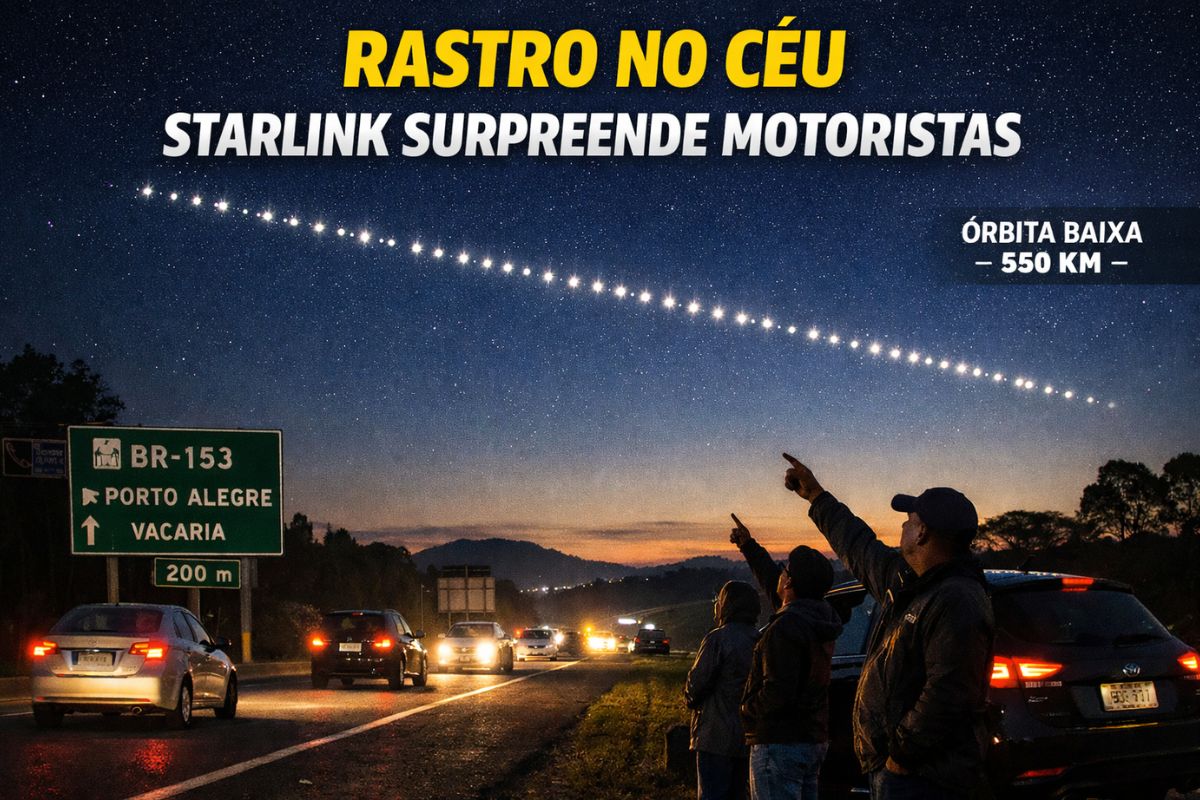
So, drivers in southern Brazil looked up and saw what looked like a glowing serpent crawling across the night sky. Naturally, UFO forums lit up. But no, it wasn’t a secret launch or alien tech—it was just another batch of Starlink satellites freshly deployed from California, doing their usual 'reflect sunlight like a disco ball' routine in low Earth orbit.
ブラジル南部のドライバーたちが夜空を見上げると、 glowする蛇が空を這うように光っていた。当然、UFO掲示板は大騒ぎに。でも正体は秘密の発射でも宇宙人のテクノロジーでもなく、カリフォルニアから新しく打ち上げられたばかりのStarlink衛星たちが、低地球軌道でいつもの「ディスコボールのように太陽光を反射」しているだけだった。
Here’s the kicker: these satellites were still packed together in their initial orbit just hours after launch, reflecting sunlight from hundreds of kilometers away. The science is solid—sunlight hits them while they’re high enough to stay lit, even when it’s dark on the ground. But emotionally? It’s kind of poetic. We’re launching so much into space that we’ve turned twilight into a light show. Is it progress or light pollution? You decide.
肝心なのは、打ち上げ直後数時間のうちに、まだ密集した軌道を共有しているため、数百km離れた場所からでも太陽光を反射していた点だ。科学的には明確だ。地上が暗くても、衛星は高い位置にあるため太陽光を受ける。だが感情的には、ちょっと詩的ですらある。私たちはあまりに多くのものを宇宙に打ち上げ、黄昏の時間がライトシャウになってしまった。これは進歩なのか、光公害なのか。あなたが判断してください。
現実を見よう。これはもはや天文学じゃなく、軌道上の振り付けです。スペースXはもはや衛星パフォーマンス集団みたいなもの。60機の衛星がシンクロして、まるで宇宙のベルトコンベア。美しい?確かに。だけどかつて珍しかった光景が当たり前になってる。晴れた夜が毎回光るコンベアに見えるようになったらどうするんだ?
夜空を撮影することを生業としている者として、葛藤しています。昨夜その衛星列の見事な写真が撮れたけど、これが自然じゃないと知ると安っぽく感じられる。まるで気に入りの絵画が実はロボットが描いたと知った気分です。
おお、またイーロンが地球にグリッター爆弾を落とした。なんて『気が利いてる』んだろうね。一方で実際の科学ミッションは予算と注目の0.01%しかもらえない。まあいいさ、金持ちの宇宙おもちゃを全員で感嘆すれば。
美しい光の話だけでは済まない。低軌道衛星は宇宙ゴミのリスクを高め、天文観測を妨害する。ケスラー・シンドロームはSFじゃない。この調子で無策に打ち上げ続ければ、現実の脅威になる。
冷笑する人たちへ:確かに民間のパフォーマンスかもしれないが、無料の一般教育でもある。何千人もの人が空を見上げ、質問し、軌道について学んだ。それこそが関与であり、インスピレーションだ。
科学的意義は理解できます。でもインスピレーションと産業化には違いがあります。空は驚きを喚起すべきで、工場のラインを思い起こさせるべきじゃない。
流星群が特別だった時代を覚えてますか? 今は「ああ、またStarlinkか」って感じ。私たちは未知の神秘を失いつつある。
だがその「光るコンベア」のおかげで、何千もの過疎地が安定したインターネットを得ている。完璧じゃないが、格差を埋めている。空はもはや神聖な場所じゃないのかもしれない。私たちはすでに宇宙の一部なんだ。