China’s AI Dream vs. Reality: Are We Watching a Tech Underdog Story… or a Pipe Dream?
中国のAI夢と現実:私たちはテック界のアンダードッグ物語を見ているのか、それともただの空想か?
www.bloomberg.com
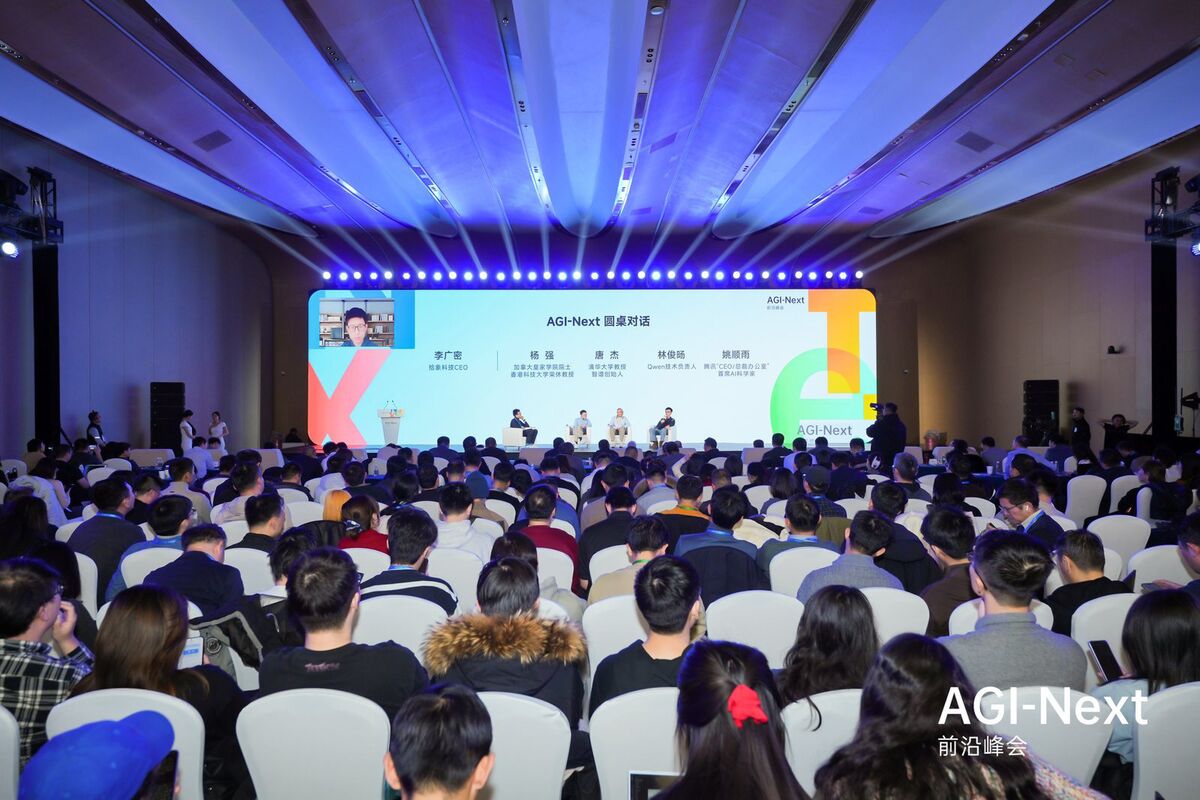
So much for the ‘China will dominate AI’ hype. Alibaba’s own Qwen lead, Justin Lin, says Chinese AI firms have under a 20% shot at making foundational leaps past OpenAI in the next 3–5 years. Let that sink in.
「中国がAIを支配する」なんて宣伝もまあまあおしまいだ。アリババのQwenチーフ、ジャスティン・リンが自ら、中国のAI企業が次の3〜5年でOpenAIを超える画期的な進展を遂げる可能性は20%未満だと語っている。この事実、一度じっくり考えてみてほしい。
It’s not just one pessimist—Tencent and Zhipu AI execs agree. Even as Zhipu makes its public market debut, insiders are whispering that the gap isn’t closing—it’s yawning wider. And it’s not just compute power. It’s talent, ecosystem, and sheer ambition.
悲観派なのは一人きりじゃない。テンセントとZhipu AIの幹部たちも同調しているのだ。Zhipuが上場を果たしている最中でさえ、関係者の間では『差が縮まっているどころか、むしろ広がっている』という囁きが聞こえる。そして問題は単なる計算能力だけではない。人材も、エコシステムも、そして純粋な野心の差も大きい。
20%の可能性? それは空想なんかじゃない。統計的にありえる“反乱”だ。90年代の半導体業界の逆転劇を思い出せ。弱者が勝つのは彼らが勝ち続けているときではなく、むしろ飢えているときだ。
真のボトルネックは計算能力でも人材でもなく、規制の壁だ。中国は米国のような規模で実験ができない。AI開発は国家安保の教義に縛られてしまっている。革新は手錠が大嫌いなんだ。
現実を見よう。Qwenは確かにすごいが、まだ追いつき追い越しなんだ。我々はGPTのDNAをコピーしているだけで、それを書き換えてはいない。オープンソースは助けになるが、基礎は海外のものに依存している。
だが飢餓が革新を生む。中国がOpenAIに同じルールで勝つ必要はない。ルールを書き換えればいいのだ。ローカライゼーション、ハードウェア統合、コスト効率に注力すべきだ。そこが飛躍のチャンスだ。
忘れてはいけない。米国のAI主導は、規制緩和と迅速な展開を意味するが、それ以上に倫理的リスクも伴う。中国の「遅さ」は戦略的な一時停止かもしれない。遅れているのではなく、観察しているだけだ。
資金は勝てる場所に流れる。今のAI業界では米国が勢いも流動性も人材も持っている。中国市場は不透明すぎ、制限されすぎている。資本は馬鹿じゃない。勝率を見抜いているのだ。
だがその「勝率」の計算は、長期的な社会的コストを見落としている。偏ったAIが行政に組み込まれたとき、代償を払うのは誰か? 支配の追求が倫理を無視すれば、いずれしっぺ返しが来るだろう。
米国がリードしているが、レースは終わっていない。中国の規模とデータと国家支援は切り札だ。誰が先かではなく、最も人類に役立つAIを誰が作るかを見ていこう。