Scientists Just Filmed a Human Embryo Implanting for the First Time—And It’s WAY More Violent Than We Thought
ついに初めて、ヒトの胚が着床する瞬間が記録された――だがその様子は、私たちの想像をはるかに超える『激しい侵攻』だった
www.earth.com
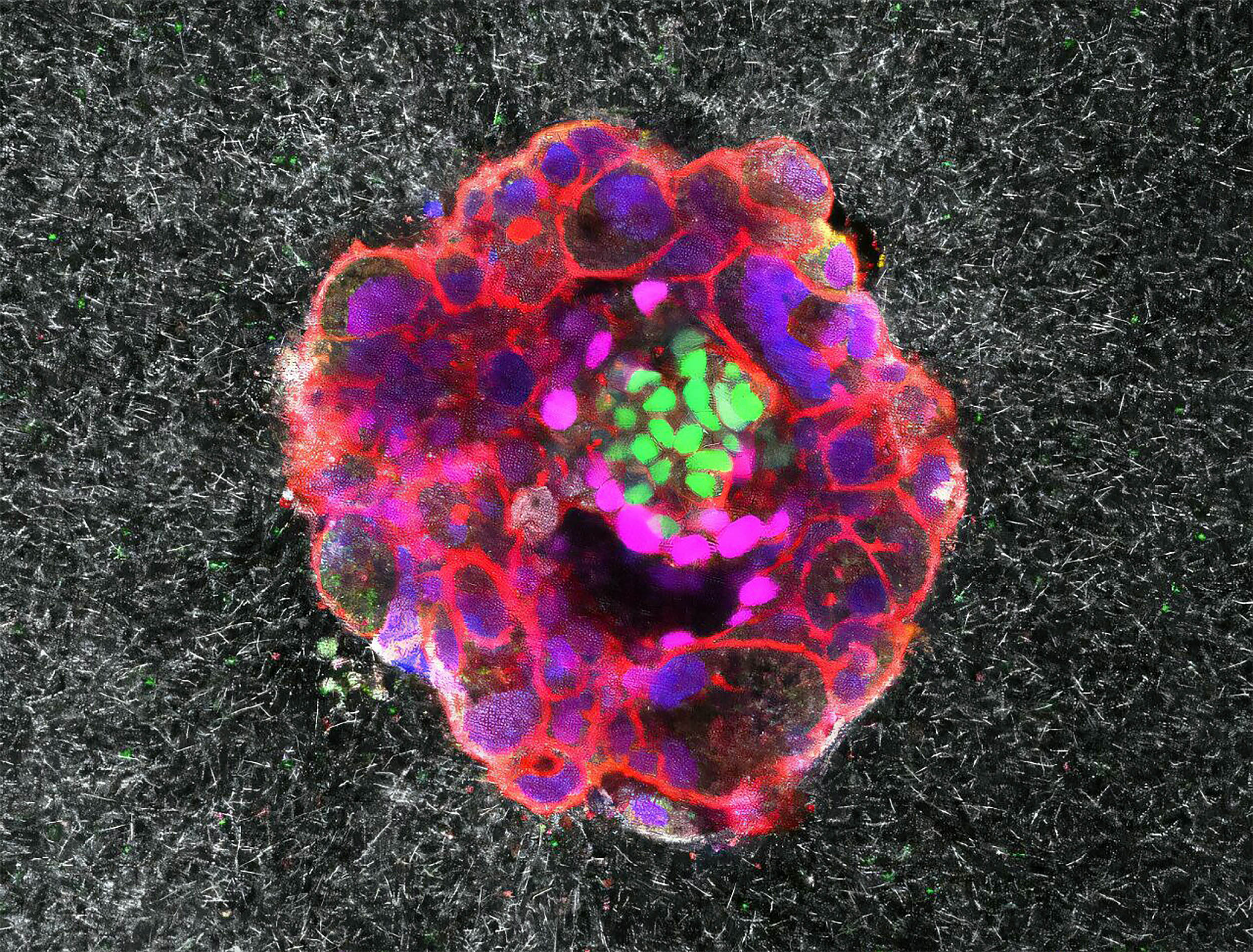
For the first time in history, scientists have captured 3D video of a human embryo actively burrowing into the uterine wall like a tiny biological alien queen. This isn't just a milestone in imaging—it’s a total game-changer for understanding early pregnancy failure.
人類史上初めて、研究者たちはヒトの胚がまるで小さなバイオロボットの女王のように子宮壁に『穴を掘って侵入する』瞬間を3D動画で捉えた。これは単なる観察技術の進歩ではなく、初期妊娠失敗の理解を一変させる画期的な成果だ。
Turns out, implantation isn’t a gentle welcome—it’s an aggressive invasion. The embryo uses physical force, pulling and reshaping uterine tissue like a construction crew with minuscule bulldozers. This might finally explain why so many IVF embryos fail. Maybe they’re not 'weak'—just mechanically incompetent.
どうやら着床は優しい歓迎ではなく、むしろ攻撃的な『侵攻』だ。胚はまるで小型ブルドーザーを操る建設隊のように、物理的な力で子宮組織を引っ張り、形を変えていく。これが、なぜ多数のIVF胚が失敗するのかを明らかにする手がかりになるだろう。『弱い』のではなく、単に『機械的適性』に欠けているだけかもしれない。
何度も治療失敗で泣く患者の手を握ってきた者として、この話にはぞっとする。私たちは『タイミングです』とか『運命です』と言い続けてきたが、今や真の理由が見える:すべての胚が『掘って入れる』わけではない。これは切ないが、同時に科学的に美しい。
発達において、機械的力がいかに支配的かというのは興味深い。胚は『成長している』だけでなく、世界を能動的に再編しているのだ。がんの転移を思い出すが、こちらはきっちり制御されている。進化って、すごい。
このブレークスルーは、緊急の倫理的疑問を投げかける。『着床力』に基づいて胚を選別し始めれば、それは優生学の入り口ではないか?不妊治療と『最適』人間設計の境界線はどこにあるのか?
ごめん、でも『攻撃的』とか『侵攻』って?神聖な出来事を病的だと捉えるのはやめて。これって私の赤ちゃんたちの話でしょ。失敗だと感じさせる新たな基準はいらない。もう悲しみの最中だ。
上のコメントの人へ:よくわかる。研究者や科学者は、冷たい言葉を使いがちだ。でも患者にとって、胚一つ一つが希望なんだ。科学の伝わり方には、思いやりが必要だ。
ヒト胚が自力で機械的力を生み出すのに対し、マウス胚は子宮の折りたたみに頼る?これは大きな進化的分岐だ。ヒトは負担を胚に任せている。我々は高リスクな出産形態の種だ。正直、壮観ですらある。
かつて私たちは着床を『受動的なはめ込み』と教えていた。この研究でそのモデルは完全に崩れた。教科書を書き直す時が来た。
そしてコラーゲン構造が建設現場の足場みたいだって話は、まだ語り尽くしてない。胚は許可を待っていない。領域を『確保』しているんだ。