Is the U.S. Space Force Finally Catching Up in the Orbital Fuel Wars?
アメリカ空軍宇宙軍、ついに宇宙給油競争で追い上げか?
www.airandspaceforces.com
So the U.S. is finally launching four satellite servicing missions in 2026 to refuel and repair military satellites in geosynchronous orbit—22,000 miles up. Sounds cool, but China already pulled off the first-ever in-orbit refueling in GEO back in June. We’re not leading; we’re playing catch-up.
アメリカがようやく2026年に、地球同步軌道(高度2万2000マイル)で軍用衛星の給油や修理を行う衛星サービスミッションを4つ投入すると。かっこいいけど、中国はすでに6月にGEOで世界初の軌道上給油に成功してる。リードしてない、むしろ追いかけている状態だ。
The real game-changer? These missions aren’t just tech demos—they’re betting that private companies can turn satellite refueling into a profitable business. Imagine a gas station in space. That’s the dream. And if we don’t build it, China will.
本当のゲームチェンジャーは?これらのミッションは単なる技術実証にとどまらず、民間企業が衛星給油を儲かるビジネスにできると賭けている点だ。宇宙にガソリンスタンドができる——それが理想だ。でもそれを実現しなければ、中国が先に行ってしまうだろう。
ここにある戦略的意義は非常に大きい。GEOの衛星は数十億ドルの価値があり、数十年稼働することを設計されている。燃料効率の良い1回の機動が、宇宙戦争での勝敗を分ける可能性がある。SFの話じゃない。現実の抑止力の話だ。
宇宙ドキュメンタリーを子どもたちと一緒に見る母として、軍事優位だけの話じゃないことを願う。衛星を安全に修理できるなら、通信障害や気候監視システムの回復にも使えないだろうか?
気持ちはわかるよ、宇宙ママ42。でも現実には、これを動かしているのは国防予算だ。民間用途は後に続くだろうが、誰かが最初のガソリンスタンドを建てなければならない。
正直に言おう。LEO衛星の修理は金銭的に無理だ。安価で寿命が短く、ミッション費用に見合わない。儲かるのはGEOだ。一つの給油インフラで500機以上の衛星を支えられる。それがスケールだ。
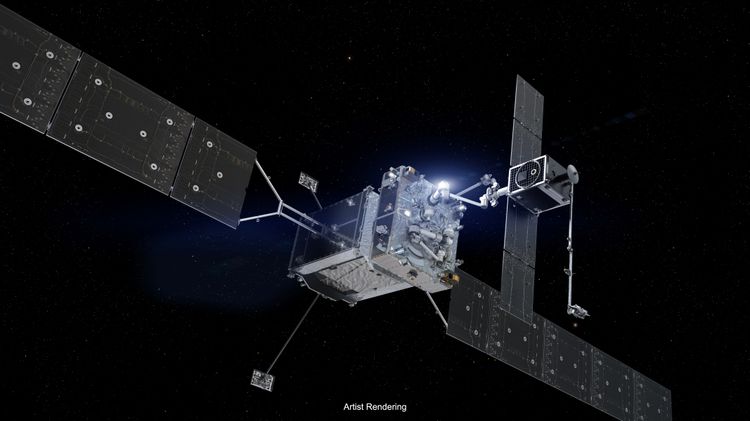
海軍研究所が開発したMRVの自律型ロボットアーム? それが真のMVPだ。動かなくなったソーラーパネルをそっと押し戻す様子を想像してみて。それは詩的ですらある。
テトラ5は自律的ドッキング技術の実証を行う。つまり有人操縦は不要だ。衛星が自ら接近・点検・給油を行う。これは『トップガン』よりも『シリコンバレーとNASAの合体』に近い。
中国がGEOで2機の衛星をドッキングさせたのは技術以上の意味がある。敵対勢力の衛星を修理・点検、あるいは破壊する準備ができているというシグナルだ。これが新たな戦略競争の舞台だ。
まさにそれだ。ミサイル発射とは違い、こうした作戦は否定可能だ。『点検』を名目に衛星をそっと再配置できる。発砲はなし。静かな力の誇示だけが残る。