Wait—Did Italian Brown Bears Evolve to Be ‘Nice’ Because They’re Tired of Humans?
まさかの進化?イタリアのツキノワグマ、人間のせいであまり攻撃的じゃなくなった?
www.iflscience.com
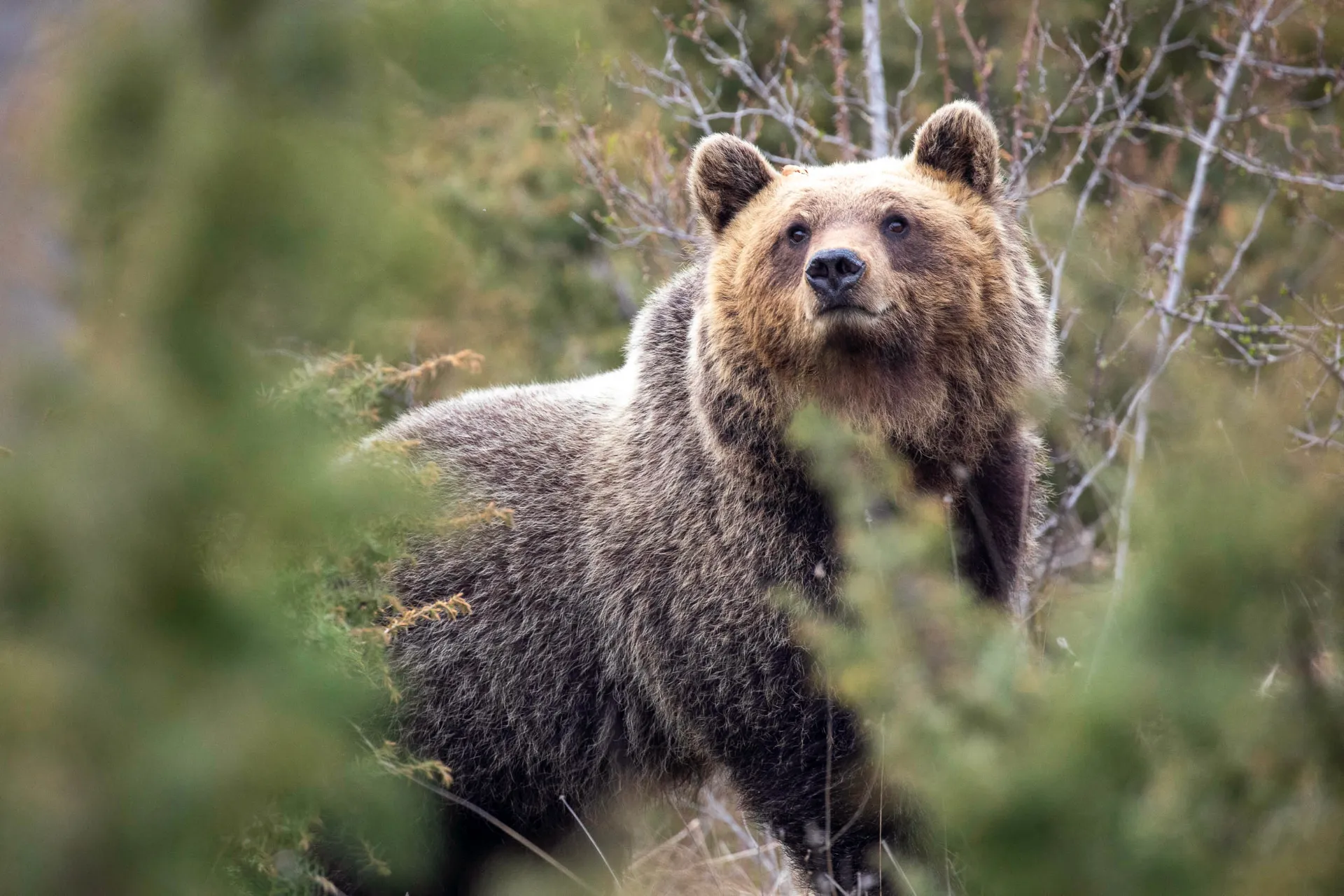
So the Apennine brown bear—one of only about 50 left—has basically been forced into becoming the world’s most passive-aggressive predator by centuries of human pressure. Instead of charging villages, they’ve ‘evolved chill’. Genetic analysis shows strong signs of natural selection in genes linked to reduced aggression—meaning feisty bears got shot, and chill bears passed on their genes.
アペニン半島のツキノワグマ、現存わずか50頭ほどですが、何世紀にもわたる人間の圧力によって、世界で最も受動的な捕食者に進化してきたと言えそうです。村を襲う代わりに、『クールな性格』が遺伝的に固定されたのです。遺伝子解析により、攻撃性を抑える遺伝子に自然選択の痕跡があることが判明しました。つまり、気の荒いグマは撃たれ、落ち着いたグマだけが子孫を残したのです。
This isn’t just cute—it’s a warning. Their calmness came at a terrifying cost: genetic uniformity. High inbreeding means less resilience. Plus, a new mutation messes with their mitochondria. These bears didn’t get soft—they survived by being smart. But surviving isn’t thriving.
これは単なる可愛い進化ではなく、警鐘でもあります。彼らの穏やかさには、遺伝的均質性という恐ろしい代償がありました。近親交配が進んでいるため、環境変化への適応力が低下しています。さらに、新たな遺伝子変異がミトコンドリアに悪影響を及ぼしています。グマたちは『軟弱』になったのではなく、賢さで生き延びただけです。しかし、生き延びるのと元気に繁殖するのは別問題です。
ロマンチックに捉えてはいけません。これらのグマは『クール』なんじゃない。絶滅の圧力によって無自覚のうちに飼いならされたのです。人間が彼らの生息地を、選択的繁殖プログラムと化させた。これは『進化』というより、DNA付きの『絶望』に近い。
実際、これは行動生態学で言う『緩和された選択圧』の典型的なケースです。捕食者がいなくなり、攻撃的な個体が人間によって除去されれば、まさに教科書的な方向性選択です。論文は秀逸ですが、問題の本質を見逃しています。他地域のヒグマを導入すれば、このユニークな遺伝的適応が失われるかもしれません。
『緩和された選択』?いやいや、これ人工選択だろ?乳牛を大人しくしたのと同じだよ。人間が特性を選別してるんだから。これは野生の進化じゃなく、農業の基礎だよ。
マジェッラで15年間ハイキングしましたが、一度も見たことありません。これは進化じゃなく、『幽霊集団』です。『穏やかなグマ』を勝利のように称えてますが、実際は絶滅寸前。悲しい。
根本的なジレンマがあります。彼らが独自の特性を保つために隔離状態で進化させるべきか、それとも多様性を高めるために交雑させるべきか。明確な答えはありません。ただし一つだけ確かなのは、この個体数の減少は人間が引き起こしたということ。私たちの倫理的責任は、ただ観察するだけではない。慎重な介入です。
可愛い話ですね。でも実際には、ミトコンドリアは不全、近親交配は進み、生息地は道路で埋め尽くされています。進化が『穏やかな遺伝子』を与えたかもしれませんが、森林を通る高速道路を遺伝子ではどうにもできません。
みなさんは悲観的すぎます。この適応は天才的です。彼らは攻撃性の代わりに、人類世での生存を手に入れました。生息地を守れば、この系譜は終わっていません。むしろ共存のモデルになるのです。
ローマ時代から2000年もの孤立。なのに今、まるでソフトウェアのアップデートのように遺伝子を議論しています。皮肉?それとも、今度はDNA付きの歴史の繰り返し?