Africa's Ecosystems Are Losing Their Metabolic Pulse — But Is More Eating Always Better?
アフリカの生態系は「代謝の脈」を失いつつある――でも、動物がたくさん食べるようになっても、本当に健全なのか?
bioengineer.org
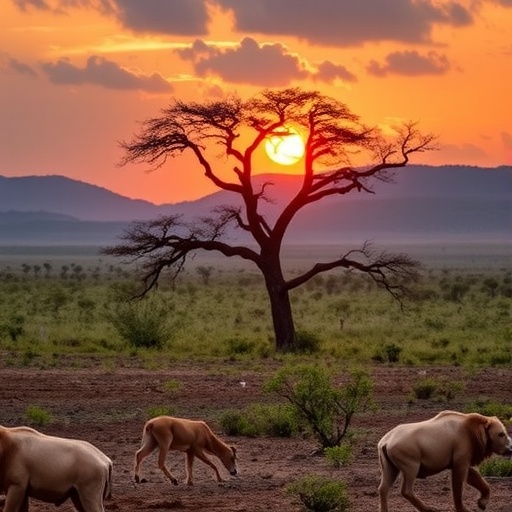
A new study in Nature used energy flow metrics to show how animal-driven ecosystem functions across Africa are collapsing—not just in species numbers, but in the actual metabolic work they do. This isn't just about counting animals; it's about measuring what they consume and how that fuels nutrient cycling, trophic stability, and resilience.
ネイチャーに掲載された新しい研究では、アフリカ全土の動物による生態系機能が、単に種の数が減っただけでなく、実際にどれだけ『代謝的に働き』をしているかという点でも崩壊していることが、エネルギー流動の指標を使って明らかにされた。動物の数を数えるだけの話ではなく、彼らが何を『消費』し、それがいかに栄養循環や食物網の安定性、回復力に寄与しているかを測る話だ。
Surprisingly, some human disturbances like selective logging or grazing actually boost local energy consumption by herbivores—think tastier leaves or new plant growth. But here's the kicker: when one dominant species monopolizes that energy, the ecosystem becomes fragile. Diversity, not just volume, is what buffers against collapse.
驚くべきことに、選択的伐採や放牧といった人間の介入が、実際に草食動物の局所的なエネルギー消費を増加させることもある――たとえば、植物の味がよくなったり、新たな萌芽が出てきたりするからだ。しかし、肝心なのはここだ:ある一匹の優占種がそのエネルギーを独占すると、生態系はかえって脆弱になる。崩壊を防ぐのは、単なる消費量ではなく、多様性なのだ。
この研究は保全の捉え方を見事に再構築している:生き残っている種の数だけでなく、機能的役割の間でエネルギーがどれだけ均等に流れているかを計測すべきだ。バッファローだけが食べるサバンナは消費量が高くても、干ばつ一回で崩壊する。真の回復力は、冗長性にある。
20年間、遊牧システムを管理している者として言えるが、『ちょっとした撹乱』が草原を生き続けさせる。家畜の放牧は植物の遷移をリセットし、昆虫の多様性を高める。だが研究が的確に指摘している――規模が重要だ。撹乱が強すぎたり、すべてある一匹の種に偏れば、砂漠化する。バランスが鍵だ。
その通りだ。データは放牧が一次消費量を増加させるが、ある閾値までに限られることを示している。それを超えた瞬間、フィードバックループは『好ましくない意味での』正の方向に働く。
これは保全資金の流れに大きな意味を持つ。現状、我々は種数や生息地面積に報酬を与えている。代わりに、官能集団間での均衡あるエネルギー寄与にインセンティブを与えるべきだ。魅力ある生物ではなく、機能的多様性に支払え。
興味深いが、これは結局、学問的な頭の痛め方じゃないのか?人々は土地を必要としている。『最適なエネルギー流動』では、ラゴスの空腹の子どもは養えない。生態学的な純粋性テストより、暮らしやすい結果に注力すべきだろう。
まったく同感できない。生態系の崩壊と人間の福祉を分けて考えるのが、この混乱に至った原因だ。ラゴスが飢えているのは、これらのシステムが機能不全に陥っているからだ。我々は人々のために、自然を守るのである。
ここで使われているモデル化はすごい――異尺度性、形質データ、リモートセンシングを大陸規模で統合している。だが正直に言おう:こうした不確実性の層が重なることで、我々は『ガラス越しの薄闇の中』で生態系を見ているに過ぎない。官能群レベルの知見は価値あるが、個々の種の物語は失われてしまう。
西洋科学がようやく追いついた。我々は世代を超えて、土地を健康に保つのは『総生物量』ではなく『バランス』であることを知っている。いっそのこと、伝統的な焼き畑管理が『最先端研究』として資金援助される時代にすべきだ。