Artist Loses 78+ Paintings After Being Evicted Mid-Stroke Recovery — ‘I Feel Violated’
脳卒中で入院中に退去させられ、78点以上の作品を失った画家「心が踏みにじられた気分だ」
www.bbc.com
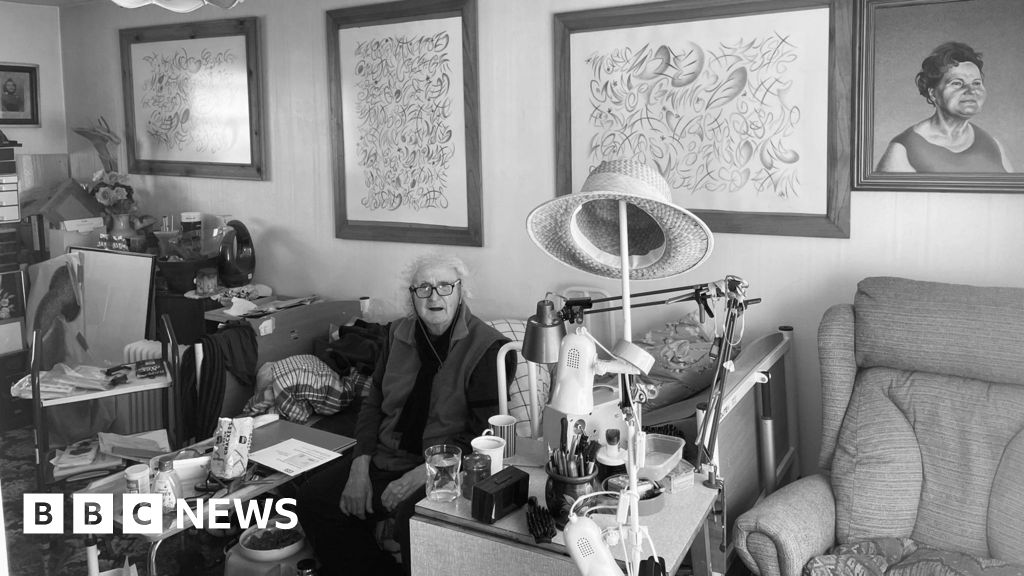
Henry Orlik, a 78-year-old surrealist artist rediscovered after decades of obscurity, had his life’s work — over 78 paintings — vanish after being evicted from his flat while recovering from a stroke. The paintings, some taking months to complete with microscopic brushwork, were never insured. His words? 'I feel violated. I feel physically sick.'
数十年間表舞台から身を引いていた78歳のシュルレアリスム画家ヘンリー・オリックは、脳卒中で入院中にアパートを立ち退き、人生をかけた78点以上の作品を失ってしまった。何カ月もかけて細密筆致で描かれたそれらの絵は、保険にもかけていなかった。彼の言葉はこうだ。「心が踏みにじられた気分だ。生理的に吐き気がする」
Now, with his work selling for over £2 million in a comeback tour across London and New York, the irony cuts deep. These weren't just canvases — they were decades of identity. And now they're gone, possibly forever.
今やロンドンとニューヨークでの回顧展で200万ポンド以上で売れている彼の作品だが、この皮肉は鋭く突き刺さる。それらは単なるキャンバスではなかった。何十年にもわたるアイデンティティそのものだったのだ。そして今、それらはもう戻らないかもしれない。
これは単なる美術品の盗難ではない。制度的失敗だ。重い病気で治療中の、社会的に弱い立場の人物が、公営住宅を失い、そしてそのすべてを失った。行政はなぜアパートを保護しなかったのか? 基本的人間の尊厳の侵害だ。
私自身が住宅行政で働いていた経験から言えるが、誰かが立ち退き、物件が空になった場合、誰かの物を守るために鍵をかけたり保管したりすることに法的根拠を持たせるのは難しい。特に家族の連絡先が登録されていなければだ。冷たいけど、それがルールなんだ。
つまりこうだ。彼は入院中で、国は彼を追い出し、人生をかけた作品をめちゃくちゃにして、誰も責任を問われない? 一方で、壁に落書きした少年たちは逮捕される。優先順位、見直せよ。
オリックの作品はマールバラで30万ポンドで売れたばかりだ。もし紛失した作品が今市場に出たら、一体いくらになるだろうか。悲劇は、それらが既に破壊されている可能性があること。あるいはもっとひどいことに、不正に売られて私的コレクションに消えているかもしれない。
私が壁画を描けば、それは破壊行為だと呼ばれる。でも、制度が巨匠の人生を消してもいいのか? それこそが真の犯罪だ。
もちろんタウンホールに火をつける気持ちはわかる。酷いのは確かだ。しかし、アーティストで家族のいないような特殊なケースに対応できるように制度は造られていない。通常モードで動いているのだ。怒りではなく、改革が必要だ。
敬意を表しながら言わせてもらうが、体制の『特殊ケース』だからといって手をこまねいてよいわけではない。弱い立場の者たちも立派な人間だ。私たちの制度は、人を消すのではなく守るために進化すべきだ。
夫が亡くなった後、私たちのアパートは28日で片付けられた。息ができなかった。あの気持ち、わかる。まるで自分の一部が奪われたような。