Did Mars Just Become More Dangerous Than We Thought? The Shocker Inside Dust Devils
火星の塵嵐に隠された衝撃の真実。静電気スパークが常時発生中?
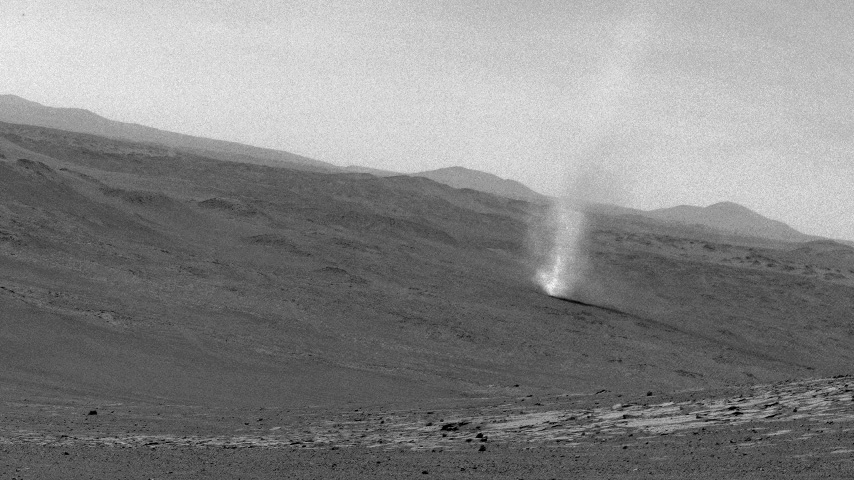
www.nasa.gov
So, NASA’s Perseverance rover finally caught the sound of actual sparks — yes, sparks — crackling inside Martian dust devils. Not lightning, not plasma storms, but honest-to-goodness electrostatic discharges, like the zap you get from a doorknob, except happening inside whirlwinds of dust on another planet.
NASAのパーサヴィアランス探査車がついに、火星の塵嵐の内部で実際に静電気火花がバチバチと鳴る音を記録しました。雷でもプラズマ嵐でもなく、まさに我々がドアノブに触って感じるあの「ビリッ」とくる静電気火花が、別の惑星の砂嵐の中で起きているのです。
This isn’t just cool sci-fi noise — it’s a game-changer for Martian atmospheric chemistry. These tiny sparks might be cooking up oxidizing compounds that destroy organic molecules, potentially explaining why we haven’t found life yet. Oh, and they might also be helping Martian methane mysteriously vanish. So yeah, little dust devils? More like little atmosphere-wrecking electric ghosts.
これは単なるSF的な面白ニュースではありません。火星の大気化学にとってのゲームチェンジャーなのです。この小さな火花が、有機分子を破壊する酸化物質を生成している可能性があり、だからこそ我々がまだ生命を見つけられていない理由かも。さらに、火星のメタンが謎めいて消える現象の説明にもなり得ます。つまり、この小さな塵嵐? 実は大気を破壊する『電気の幽霊』だったかもしれないのです。
宇宙探査機の遮蔽設計をしている身として、少しゾッとしました。これまで火星の塵は機械的な危険——摩耗性、フィルター詰まり——だと思っていました。でも今やそれは能動的な電気的リスクでもある? 将来の探査車の電子機器はさらにEMI対策が必須です。宇宙服に至っては論外。加圧酸素環境で静電気火花一つ? それはバグじゃなく、死に直結します。
待って、この放電が酸化性物質を作り出すなら、火星はむしろ生命に不適になりませんか? でも記事は「住みやすさの理解に役立つ」と言ってます。矛盾してませんか?
良い質問ですね。火星がより住みやすくなったわけではなく、むしろなぜこれほど不毛なのかがわかったのです。このメカニズムが地表の有機物の破壊を説明し、メタンがモデルより早く消える理由も解明するかもしれません。『不適』の仕組みを知ることは、『居住可能帯』を探すのと同じくらい重要です。
正直、恐れるよりわくわくしています。もし塵嵐が帯電しているなら、その電位差で機器に電力を供給できるのでは? 塵嵐から静電気を『収穫』する探査機を想像してみてください。天気発電、みたいなものです。
JPLのエンジニアたちは既にシミュレーションを走らせているでしょう。でも、予測不能な渦風から得られるミリアンペアで何かを動かすのは無理です。真の価値は大気化学のモデル化にあり、無料エネルギーではありません。
塵嵐が電気で生気に満ちている? これは気候じゃない、感情だ。火星は死んだ惑星じゃない。ただ、静電気を帯びた不満で沈黙しているだけなんだ。
笑。『静電的不満』だって。火星なら、岩さえ恨みを抱くだろうよ。
火星で摩擦帯電が火花を生む? ごく自然です。薄い大気ほど絶縁破壊が起きやすい。これが過塩素酸塩がそこら中に存在する理由の一つかもしれません。宇宙から降ってきたわけではなく、空中で生成されている可能性がある。