A Century-Old Letter in a Bottle Was Just Found — And It’s Hauntingly Hopeful
100年ぶりにビンに入った手紙が発見される――その内容は切なくて希望に満ちていた
www.theguardian.com
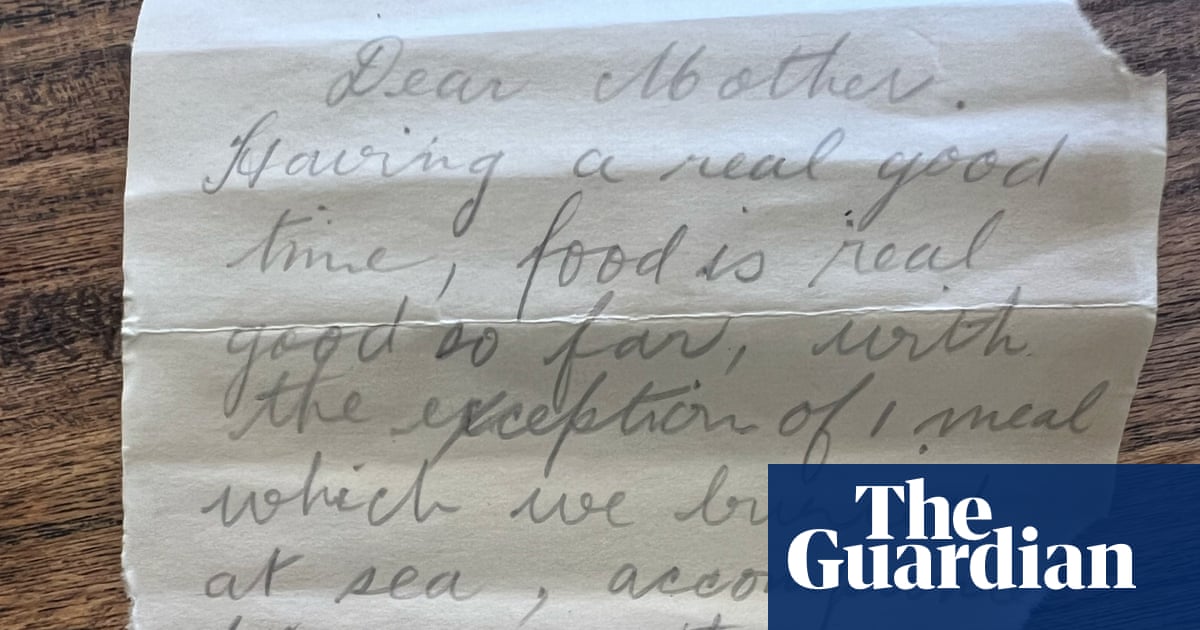
Imagine writing a cheerful letter to your mum as you sail off to war, tuck it in a bottle, and 108 years later, it’s pulled from the sand by someone cleaning up trash. Neville wrote, 'Having a real good time,' while the Ballarat was 'heaving and rolling' across the ocean.
戦争に向かう船の中で母親に明るい手紙を書き、それをビンに入れて海に投げ捨てた。108年後、そのビンはゴミ拾いをしていた誰かの手で砂から引き抜かれた。ニービルは『とても楽しいよ』と書き、バルララット号は「波で上下左右に大きく揺れていた」という。
He didn’t make it. Two months into the Western Front, he was gone. The bottle—likely buried for decades—survived the war, the ocean, and time itself. Meanwhile, another letter in the same bottle, from a soldier who did come home, is now crumbling to pieces. Irony has a PhD in poetic justice.
でも彼は戻らなかった。西線に到着してわずか2か月で命を落とした。そのビンは数十年間埋もれていた可能性があり、戦争も海も、そして時の流れさえも生き延びた。一方で、同じビンにあった、戦場から無事に戻った兵士の手紙は、今やぼろぼろに朽ちかけている。風刺は「詩的な正義」の博士号を持っているかもしれない。
これは単なるビンではありません。帰らぬかもしれない人への希望やユーモア、愛情を体現しています。私たちは戦没者の墓を守っていますが、その声を保存することはほとんどありません。この手紙は、記念碑に刻まれた名前に、顔と鼓動を与えます。
それを取り出すのに外科用ピンセットを使ったこと?完璧な選択です。それに、暴風雨で土砂が削られて100年ぶりに発見されたなんて?自然が歴史を literal に掘り起こした。感動しすぎます。
現実的に見ましょう。ガラスのビンが水中で100年以上も壊れずに残ることはありません。コルクも数十年で劣化します。おそらく内陸の土中に埋もれていたのでしょう。それで保存状態の良さが説明できます。ロマンチック?もちろん。科学的にあり得る?ほぼ無理です。
懐疑心は理解できますが、「ほとんどあり得ない」=「感動的ではない」とは限りません。船酔いで怖がっている兵士が、母親を心配させまいとジョークたっぷりの手紙を書く。それこそが人間であり、それこそが歴史です。
真の問題は、どうやって保存されたかではなく、誰の物語が保存されるかです。生き延びた兵士の手紙は朽ちる。亡くなった兵士の手紙は残る。私たちが記憶として選ぶのは誰か。それが居心地の悪い歴史です。
祖父は戦争のことを一切話しませんでした。あるとき屋根裏で手紙を見つけたことがあって―ただ『こちらの天気はいいです』としか書いてありませんでした。これと同じです。私たちは彼らのことを本当に知らなかった。わずかでかすかな手がかりしか残されていない。
だからこそ、水中文化遺産保護のルールが必要です。船だけではなく、このような個人的な遺物も。戦争の人間性を浮き彫りにするタイムカプセルです。守らなければ、歴史を literal に消し去っていることになります。