Did 9/11 or the iPhone Change the World More? One Was Loud, the Other Was Silent — But Both Rewired Us
9・11とiPhone、本当に世界を変えたのはどっちか? 一方は爆音で、もう一方は静かに——でもどっちも僕らの頭と生活を再配線した
www.newindianexpress.com
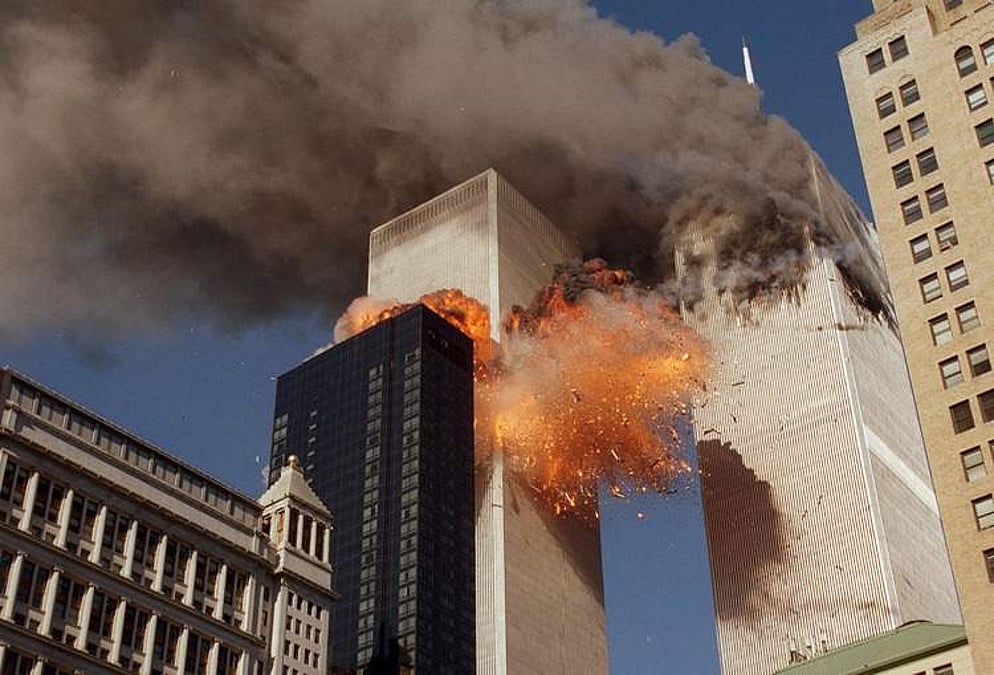
Everyone remembers the visuals of 9/11—smoke, rubble, shell-shocked faces. But what's less visible is how it rewired everything: borders, wars, privacy, even our sense of time. We entered a permanent state of emergency. Then, quietly, in 2007, came the iPhone. No explosion. No headlines. Just a rectangle that slowly absorbed our lives—our memories, our attention, our very sense of self.
誰もが9・11の映像を覚えている——煙、瓦礫、衝撃を受けた顔たち。だがそれ以上に見えにくいのは、それがすべてを再配線したという事実だ。国境、戦争、プライバシー、時間の感覚さえも。我々は恒久的な緊急事態に突入した。そして2007年、静かにiPhoneが登場した。爆音もなく、大見出しもなく。ただ一つの四角いデバイスが、ゆっくりと僕らの人生を飲み込んでいった。記憶も、注目も、自我さえも。
These two events—trauma and convenience—are the twin poles of our age. One made us paranoid, the other passive. Yet both centralized power: governments gained surveillance tools, while tech giants harvested data. We traded freedom for security and connection for distraction, all under the illusion of choice.
この二つの出来事——トラウマと利便性——が、我々の時代の二極だ。一方は偏執を、もう一方は受動性を生んだ。だがどちらも権力を集中させた。政府は監視手段を、IT大手は個人データを手に入れた。自由と安全、つながりと気晴らしを交換したが、どちらも『選択している』という幻想の下で。
はっきり言おう。9・11は単に『国境を厳しくした』だけでなく、無期限抑留、大規模監視、ヒベアス・コルパスの侵食を日常化した。米国愛国者法は『やり過ぎ』じゃなく、新しい常識になった。『安全のため』と称して権利の後退を受け入れたが、その先例が今、顔認識、SNS監視、地元警察によるデータ収集までも正当化している。
iPhoneが与えたのは単なる機械じゃない——認知の仕組みそのものだ。記憶は外部化され、集中力は断片化し、注目は入札市場にさらされている。思い出はGoogleに、意思決定はアルゴリズムに、悲しみさえも公開フィードで共有する。画面はもはや窓じゃない——それが世界そのものだ。
つまり、テロからPTSDを、スマホからADHDをもらったわけだ? すごいね。次の革新が楽しみだ——気候崩壊をマインドフルネス合宿にするやつ。
真の分水嶺とは? 2008年の危機が襲った瞬間だ。西側は銀行を救済したが、人々には緊縮を強いた。この偽善が、米英だけでなくインド、ブラジル、南アフリカでもポピュリズムの台頭を後押しした。抽象的な自由より、経済的尊厳の方が重要だ。
21世紀が教えてくれたのは、歴史は「進歩」じゃないということだ。それは『加速』だ。前進しているんじゃなく、前へ転がり落ちている。そして安全柵? とっくの昔に撤去された。
この調子だと、曾孫世代は振り返ってこう言うだろう。「へえ、あの人たちインターネットと酸素、両方あったんだ? まさに黄金時代じゃん」
すべてが絶望じゃない。LGBTQ+の権利、インドでの非犯罪化、オバマ大統領の当選——進展はあった。だがそれは脆く、直線的ではなく、常に脅かされている。希望は受動的なものじゃない。それは『行動』だ。