Brown Tap Water in Akron? Is This the Price of 20th-Century Pipes in a 21st-Century City?
アーカンの水道水が茶色!?21世紀の街で20世紀の老朽パイプを使い続ける代償なのか?
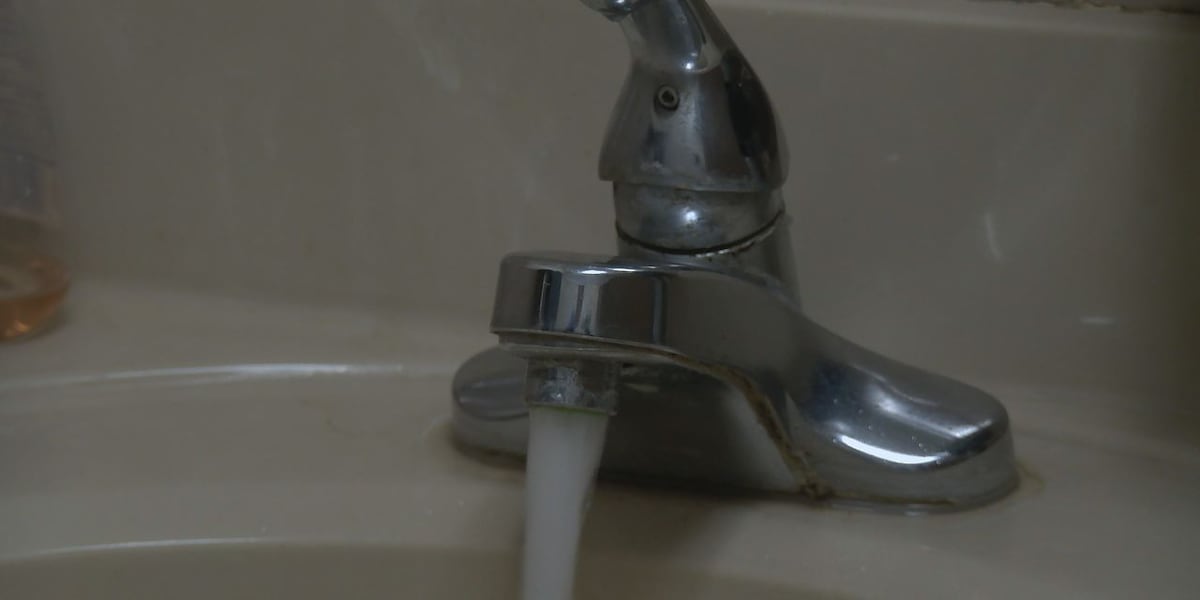
www.cleveland19.com
So Akron’s water is looking more like weak tea than H2O after a 36-inch main cracked near South Valley and West Market. No boil advisory, thank god—meaning the system stayed pressurized and contamination was avoided. But seriously, how many more ‘temporary discolorations’ do we need before we stop treating water infrastructure like a dial-up internet upgrade?
36インチの給水管がサウスバレー通りとウェストマーケット通りの交差点で破損した結果、アーカンの水道水はH2Oというより薄い紅茶みたいになってしまった。幸い、煮沸のお願いは出されていない。つまりシステムが加圧状態を保ち、汚染は避けられたってこと。だが正直、水道インフラを「ダイアルアップ回線のアップグレード」みたいに後回しにするのは、あと何回『一時的な変色』を繰り返したら気が済むんだ?
The city says 'flush your cold water for 5 minutes' and it’ll clear up. Maybe. But with $11,000 feet of pipes scheduled for replacement in 2026, are we really solving this—or just rearranging deck chairs on the Titanic?
当局は『冷水を5分ほど流せばきれいになる』と言う。たぶね。だが2026年に11,000フィートのパイプを交換する予定があるとしても、本当に問題を解決しているのか?それともタイタニックのデッキチェアを並べ直しているだけじゃないのか?
皆さん、11,000フィートのパイプを交換するのは大金だ。材料費や人件費を合わせると400万ドル以上かかる。数十年にわたる予算不足を責めるべきであって、今の作業員たちじゃない。彼らは奇跡を起こしてるんじゃない、緊急処置をしてるだけだ。
まさにトリアージだ。アーカンのような都市には1940年代のものを使い続けている給水管もある。一晩で全部取り替えられるわけがない。ただ、最もひどい区間を優先するのは可能だ。2026年の計画は一歩前進だが、全体から見ればごくわずかな対応に過ぎない。
誰の責任かなんて知ったことじゃない。私は家庭用の浄水を使いながら、赤ちゃんの哺乳瓶を手洗いしている。この『一時的な変色』には信用できない。水が茶色くなった日に、子どもの湿疹が出始めた。偶然?たぶん。でも私はリスクを冒したくない。
煮沸の案内がない=安全ではない。細菌リスクは低いかもしれないが、腐食したパイプから出る重金属はどうだ?鉄、鉛、マンガン——君らの『無害な変色』は、ゆっくりと毒素を垂らしているのかもしれないぞ。
重金属は監視されている。鉛濃度が急上昇すれば、公衆衛生警報を出す義務がある。それは起きていない。パニックでパイプが直るわけではない。
もっと主体的になろう。水質のリアルタイム通知を受け取れるスマホアプリのために、月額5ドル払う気だ。完璧じゃないが、ただ水を流して『綺麗になるかな』と願うよりましだ。
アプリのアイデアでは、100年以上も前の鋳鉄管を直せない。我々に必要なのは債券発行、連邦補助金、そして政治的な勇気だ。これは技術的問題じゃない。資金と意思の問題なんだ。
ここで40年暮らしている。毎年春になるとパイプが破裂する。市は作業員を出して一カ所直して、去っていく。終わりのない保守作業のルーティンに取り込まれている気がする。