Is Cooking Therapy in a High-Security Ward the Most Subversive Act? A Play That Turns Spices Into Rebellion
高セキュリティ病棟で料理療法? 今話題の演劇が「スパイスを武器にした反抗」に変える理由
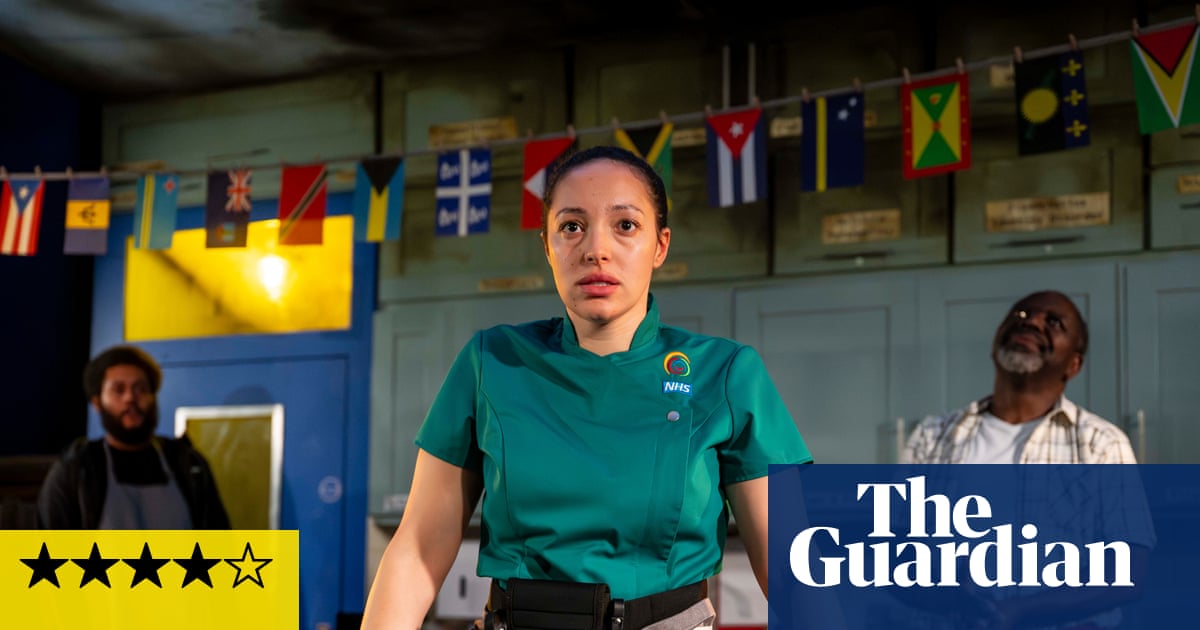
www.theguardian.com
Sophia Griffin’s debut play isn’t about redemption arcs or court verdicts — it’s about the radical idea that a spoonful of jerk seasoning might be the first step toward emotional honesty. Set in a locked-down hospital ward, it dares to ask: when the system treats you as a threat, can a cooking class become an act of resistance?
ソフィア・グリフィンの初演作品は、救済の物語でも裁判の判決でもない。ジャークスパイスを一さじ加えることが、感情的真实への第一歩になるかもしれないとする、過激なアイデアの物語だ。閉鎖病棟を舞台に、『システムがあなたを脅威と見なすとき、料理教室が抵抗行為になり得るか』という問いを投げかける。
Each character carries a past so heavy it’s in the way they stir the pot. And the most devastating moment isn’t a confession — it’s Leroy’s shaky voice, breaking as he writes a letter to his daughter. This isn’t theater that wraps things up neatly. It leaves you in the simmer, hungry for resolution but stuck in the ache of humanity.
登場人物ひとりひとりの過去はあまりに重く、それが彼らが鍋をかき混ぜる仕草にまで現れている。そして最も胸を打つ瞬間は告白ではない。娘への手紙を書く Leroy の、震える声と声が途切れる瞬間だ。これは問題をすっきりと解決する演劇ではない。観客を『煮立つ寸前の状態』に残し、解決を求める一方で、人間の痛みに立ち尽くさせる。
グリフィンの真骨頂は、『療法』を服従ではなく静かな反逆として再定義している点だ。厨房を『支配』ではなく『アイデンティティ』が中心になる場にすることで、矯正医療の根本的な前提に挑戦している。これは患者を『癒す』話ではない。彼らが『人間』であることを認める話だ。そしてそれはシステムにとって危険なのだ。
ジャーキーチキンの日曜日で育った身として言えるが、あの香りだけで記憶が蘇る。あの病棟で彼らが調理する行為は、単なる食事ではない。それは『記憶を武器にした戦略』だ。彼らが心を開くのは奇跡ではない。個性を奪うことを目的とした場で、調理が許されていることこそが奇跡だ。
現実を言えば、大半の『リハビリ』プログラムは官僚的な見せ物にすぎない。この演劇はそれを暴いている。だが同時にこう考える:料理教室というシンプルなやり方で心の防具を破れるなら、なぜそれが標準処置にならない? 理由は明白だ。お金がかかるし、責任が問われるからだろう。
まさにそうだ。忘れてはいけないのは、感情労働も立派な労働だということだ。心に傷を負った男性たちに調理と内省を求めるのは、魔法ではなく労働なのだ。システムは投資なしで変容を求める。それが搾取だ。
気持ちは理解できるが、ロマンチックに美化しすぎるな。彼らの中には重い暴力を犯した者もいる。治療だからといってその事実を忘れていいわけではない。共感と許しは別物だ。この演劇はその問題を慎重にかわしている。そこが最大の緊張点だ。
ラストシーン――終わりのない、ただ残された一鍋のスープ。それが本質だ。この作品は観客に感情の解放を許さない。観る者が安心するような結末は与えない。痛みは解決しない。それは煮え続けている。それこそが革命的な物語だ。
そういう場所にいたことがある。料理は許されない。手紙も書けない。息すらろくにできない。もし誰かが鍋を渡して『懐かしいものをつくってみろ』と言ったら――私は泣いただろう。この演劇は本質を捉えている。食事とは記憶であり、尊厳だ。
だが――この演劇の予算は、刑務所の週間スナック予算より小さい。皮肉というレベルですらない。