Is the Indian Rupee About to Hit 90? And Why the RBI’s Silence Feels Like a Slow-Motion Crisis
インドルピーが90円目前:RBIの沈黙は「進行中の危機」の予兆なのか?
timesofindia.indiatimes.com
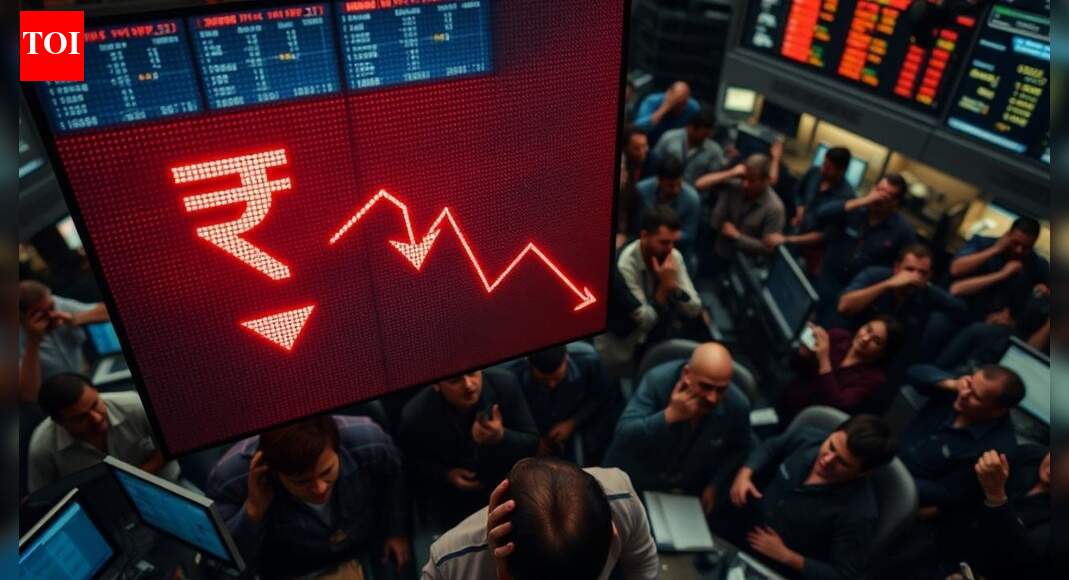
The Indian rupee just hit a record low of 89.49 against the dollar, and now traders are asking if 90 is inevitable. The Reserve Bank of India seems to be letting it slide—no massive dollar sales, no loud interventions, just quiet bond purchases. It's like watching a dam develop cracks and the engineer says, ‘It’s holding.’ Cool, but when does it burst?
インドルピーはついにドルに対して89.49の過去最安値を記録し、今やトレーダーたちの関心は「90円割れは避けられないのか」に移っています。RBIはそれを静かに見過ごしているように見える——大規模なドル売却も、派手な介入もなし。静かな債券買い入れだけ。まるでダムにひびが入っているのを『まだ大丈夫』と言う技術者のよう。確かに落ち着いているが、いったいどこで決壊するのか?
Portfolio outflows, a weak trade outlook, and the Fed’s stubborn strength are piling pressure on India. Hopes of a US-India trade deal keep getting kicked down the road. Even with strong domestic growth, the rupee’s underperformance shows that confidence isn’t built on GDP alone—it’s about credibility.
ポートフォリオの資金流出、低迷する貿易見通し、そして強固な米連邦準備制度の存在がインドにプレッシャーをかけている。米印貿易協定への期待はまた先送りされ続けている。国内成長が堅調でも、ルピーの低迷はGDPだけでは信頼は築けないことを示している——信頼性が重要だ。
RBIの債券買い入れはパフォーマンスに過ぎず、政策ではない。週1500億ルピーの債券買いを入れ? それは通貨の安定化ではなく、独立性を装いながら静かに債務貨幣化しているだけだ。我々は中央銀行の信用が、ひとつずつの『一時的措置』によって少しずつ侵食されていく様子を見ている。
現実を見よう。市場は国内のGDPなど気にしない。利回り格差と政策の予測可能性にのみ関心がある。RBIが89.50を防衛しなかったことは明確なシグナルだ——我々は一人ぼっちだ。中央銀行が円安を『問題なし』とみなせば、トレーダーはそれを誘いとして受け取る。
毎月母国に仕送りしていますが、為替レートが私を苦しめています。去年は74ルピー=1ドルだったのに、今は89ルピー。家族へのプレゼントの価値が20%減少しています。『堅調な基本的健全性』では学費は払えません。
全くその通り。市場は言葉遊びにだまされない。RBIが下げ止めを望めば、可能だっただろう。だが介入しないことを選ぶことも、政策選択の一つであり、その代償がある。
忘れるべきではない——貿易協定がなければ、インドの輸出優位性は米国の関税によって食い潰される。為替市場で負けているだけでなく、構造的な貿易論議でも敗れているのだ。グローバル投資家が均衡回復の道筋を見出せない限り、『信頼』は蒸発する。
『利回り格差』とか『資金フロー』とかいう話ばかり——でも先月、ニンニクの値段は40%上がったわ。経済学者はいつ、実際に人々を苦しめているものを測定し始めるのかしら?
テイラー則によれば利下げの限界水準は5.25%。DBは利下げの可能性を指摘している。だが市場はすでに25ベーシスプントの利下げを織り込んでいる——ボラティリティも含めて。真の問題は、地政学的混乱の中で、誰がまだ機械的なモデルを信じているのか、なのかもしれない。